
Miami - Houston
Flight / Schedule
Miami - Houston
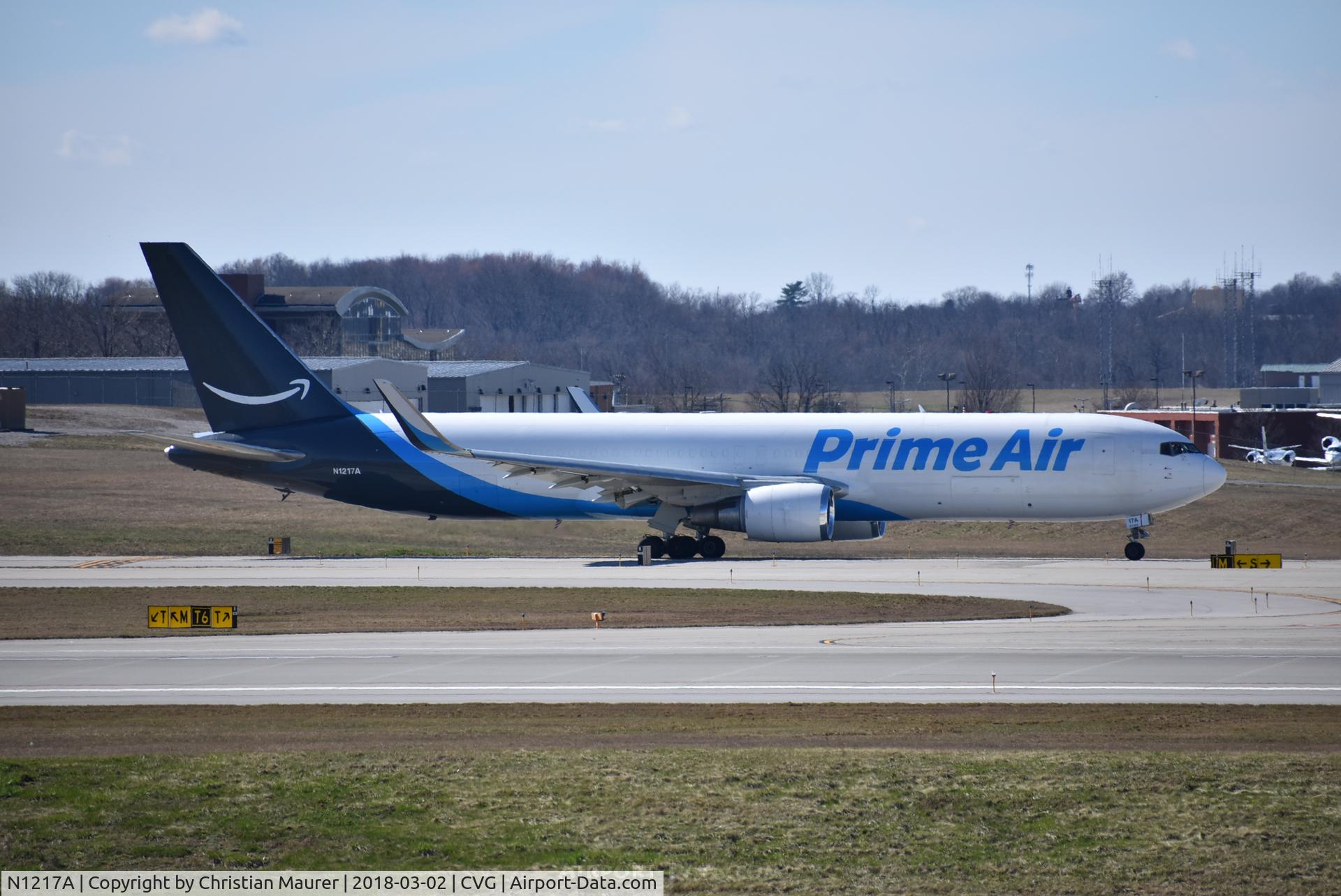
Aircraft
Boeing 767-300Registration
N1217A
MSN
25685/430
Year of Manufacture
1992
Operator
Atlas AirDate
February 23, 2019 at 12:39 PM
Type
CRASHFlight Type
Cargo
Flight Phase
Flight
Crash Site
Lake, Sea, Ocean, River
Crash Location
Anahuac Texas
Region
North America • United States of America
Coordinates
29.7713°, -94.6785°
Crash Cause
Human factor
Narrative Report
On February 23, 2019 at 12:39 PM, Miami - Houston experienced a crash involving Boeing 767-300, operated by Atlas Air, with the event recorded near Anahuac Texas.
The flight was categorized as cargo and the reported phase was flight at a lake, sea, ocean, river crash site.
3 people were known to be on board, 3 fatalities were recorded, 0 survivors were identified or estimated. This corresponds to an estimated fatality rate of 100.0%.
Crew on board: 3, crew fatalities: 3, passengers on board: 0, passenger fatalities: 0, other fatalities: 0.
The listed crash cause is human factor. On February 23, 2019, at 1239 central standard time, Atlas Air Inc. (Atlas) flight 3591, a Boeing 767-375BCF, N1217A, was destroyed after it rapidly descended from an altitude of about 6,000 ft mean sea level (msl) and crashed into a shallow, muddy marsh area of Trinity Bay, Texas, about 41 miles east-southeast of George Bush Intercontinental/Houston Airport (IAH), Houston, Texas. The captain, first officer (FO), and a nonrevenue pilot riding in the jumpseat died. Atlas operated the airplane as a Title 14 Code of Federal Regulations Part 121 domestic cargo flight for Amazon.com Services LLC, and an instrument flight rules flight plan was filed. The flight departed from Miami International Airport (MIA), Miami, Florida, about 1033 (1133 eastern standard time) and was destined for IAH. The accident flight’s departure from MIA, en route cruise, and initial descent toward IAH were uneventful. As the flight descended toward the airport, the flight crew extended the speedbrakes, lowered the slats, and began setting up the flight management computer for the approach. The FO was the pilot flying, the captain was the pilot monitoring, and the autopilot and autothrottle were engaged and remained engaged for the remainder of the flight. Analysis of the available weather information determined that, about 1238:25, the airplane was beginning to penetrate the leading edge of a cold front, within which associated windshear and instrument meteorological conditions (as the flight continued) were likely. Flight data recorder data indicated that, during the time, aircraft load factors consistent with the airplane encountering light turbulence were recorded and, at 1238:31, the airplane’s go-around mode was activated. At the time, the accident flight was about 40 miles from IAH and descending through about 6,300 ft msl toward the target altitude of 3,000 ft msl. This location and phase of flight were inconsistent with any scenario in which a pilot would intentionally select go-around mode, and neither pilot made a go-around callout to indicate intentional activation. Within seconds of go-around mode activation, manual elevator control inputs overrode the autopilot and eventually forced the airplane into a steep dive from which the crew did not recover. Only 32 seconds elapsed between the go-around mode activation and the airplane’s ground impact.
Aircraft reference details include registration N1217A, MSN 25685/430, year of manufacture 1992.
Geospatial coordinates for this crash are approximately 29.7713°, -94.6785°.
Fatalities
Total
3
Crew
3
Passengers
0
Other
0
Crash Summary
On February 23, 2019, at 1239 central standard time, Atlas Air Inc. (Atlas) flight 3591, a Boeing 767-375BCF, N1217A, was destroyed after it rapidly descended from an altitude of about 6,000 ft mean sea level (msl) and crashed into a shallow, muddy marsh area of Trinity Bay, Texas, about 41 miles east-southeast of George Bush Intercontinental/Houston Airport (IAH), Houston, Texas. The captain, first officer (FO), and a nonrevenue pilot riding in the jumpseat died. Atlas operated the airplane as a Title 14 Code of Federal Regulations Part 121 domestic cargo flight for Amazon.com Services LLC, and an instrument flight rules flight plan was filed. The flight departed from Miami International Airport (MIA), Miami, Florida, about 1033 (1133 eastern standard time) and was destined for IAH. The accident flight’s departure from MIA, en route cruise, and initial descent toward IAH were uneventful. As the flight descended toward the airport, the flight crew extended the speedbrakes, lowered the slats, and began setting up the flight management computer for the approach. The FO was the pilot flying, the captain was the pilot monitoring, and the autopilot and autothrottle were engaged and remained engaged for the remainder of the flight. Analysis of the available weather information determined that, about 1238:25, the airplane was beginning to penetrate the leading edge of a cold front, within which associated windshear and instrument meteorological conditions (as the flight continued) were likely. Flight data recorder data indicated that, during the time, aircraft load factors consistent with the airplane encountering light turbulence were recorded and, at 1238:31, the airplane’s go-around mode was activated. At the time, the accident flight was about 40 miles from IAH and descending through about 6,300 ft msl toward the target altitude of 3,000 ft msl. This location and phase of flight were inconsistent with any scenario in which a pilot would intentionally select go-around mode, and neither pilot made a go-around callout to indicate intentional activation. Within seconds of go-around mode activation, manual elevator control inputs overrode the autopilot and eventually forced the airplane into a steep dive from which the crew did not recover. Only 32 seconds elapsed between the go-around mode activation and the airplane’s ground impact.
Cause: Human factor
Occupants & Outcome
Crew On Board
3
Passengers On Board
0
Estimated Survivors
0
Fatality Rate
100.0%
Known people on board: 3
Operational Details
Schedule / Flight
Miami - Houston
Operator
Atlas AirFlight Type
Cargo
Flight Phase
Flight
Crash Site
Lake, Sea, Ocean, River
Region / Country
North America • United States of America
Aircraft Details
Similar Plane Crashes
United States Signal Corps - USSC
De Havilland DH.4
The single engine airplane departed Dayton-McCook Field for a local test flight. Shortly after takeoff, the aircraft stalled and crashed, killing both occupants. Crew: Maj Oscar Brindley, Lt Col Henry Damm.
United States Signal Corps - USSC
De Havilland DH.4
Lt. Frank Stuart Patterson, son and nephew of the co-founders of National Cash Register, is killed in the crash of his DH.4M, AS-32098, at Wilbur Wright Field during a flight test of a new mechanism for synchronizing machine gun and propeller, when a tie rod breaks during a dive from 15,000 feet (4,600 m), causing the wings to separate from the aircraft. Wishing to recognize the contributions of the Patterson family (owners of NCR) the area of Wright Field east of Huffman Dam (including Wilbur Wright Field, Fairfield Air Depot, and the Huffman Prairie) is renamed Patterson Field on 6 July 1931, in honor of Lt. Patterson.
United States Signal Corps - USSC
De Havilland DH.4
The aircraft crashed in unknown circumstances.
United States Signal Corps - USSC
De Havilland DH.4
The crew was completing a training mission. At an altitude of about 4,000 feet, the aircraft entered a spin and crashed in an open field near Everman-Barron Field Airport. A crew was killed and the second occupants was injured. The aircraft was destroyed.
U.S. Air Mail Service
De Havilland DH.4
Crashed following an engine failure. Pilot fate unknown.
United States Signal Corps - USSC
De Havilland DH.4
The accident occurred in unknown circumstances.