
Columbus - Minneapolis
Flight / Schedule
Columbus - Minneapolis
Aircraft
Douglas DC-9Registration
N763NC
MSN
47716/822
Year of Manufacture
1976
Operator
Northwest AirlinesDate
May 10, 2005 at 07:36 PM
Type
CRASHFlight Type
Scheduled Revenue Flight
Flight Phase
Taxiing
Crash Site
Airport (less than 10 km from airport)
Crash Location
Minneapolis-Saint Paul Minnesota
Region
North America • United States of America
Coordinates
44.9227°, -93.0555°
Crash Cause
Human factor
Narrative Report
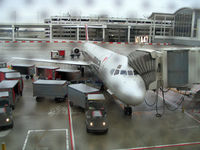
On May 10, 2005 at 07:36 PM, Columbus - Minneapolis experienced a crash involving Douglas DC-9, operated by Northwest Airlines, with the event recorded near Minneapolis-Saint Paul Minnesota.
The flight was categorized as scheduled revenue flight and the reported phase was taxiing at a airport (less than 10 km from airport) crash site.
99 people were known to be on board, 0 fatalities were recorded, 99 survivors were identified or estimated. This corresponds to an estimated fatality rate of 0.0%.
Crew on board: 5, crew fatalities: 0, passengers on board: 94, passenger fatalities: 0, other fatalities: 0.
The listed crash cause is human factor. The DC-9 was taxiing to the gate area when it collided with a company A319 that was being pushed back from the gate. Prior to arriving at the destination airport, the DC-9 experienced a loss of hydraulic fluid from a fractured rudder shutoff valve located in the DC-9's right side hydraulic system. The left side hydraulic system had normal hydraulic pressure and quantity throughout the flight. The flightcrew elected to continue to the scheduled destination and declared an emergency while on approach to the destination airport. After landing, the emergency was negated by the flight crew and the airplane taxied to the gate. Flight data recorder information indicates the left engine, which provides power for the left hydraulic system, was shut down during taxi. The captain stated he did not remember shutting the left engine down, and that if he had, it would have been after clearing all runways. The first officer stated that he was unaware that the left engine was shut down. Upon arrival at the gate with the left engine shut down and no hydraulic pressure from the left system and a failure of the right hydraulic system, the airplane experienced a loss of steering and a loss of brakes. The flightcrew requested company maintenance to chock the airplane since they were unable to use brakes to stop the airplane. The crew said they were going to keep the "...engines running in case we have to use reversers..." The airplane began to roll forward and the captain applied reverse thrust but the reversers did not deploy. The airplane impacted the A319 with a speed of approximately 15.65 miles per hour to 16.34 miles per hour. Evacuation of the DC-9 was completed approximately 5:22 minutes after the collision and evacuation of the A319 occurred approximately 13:08 minutes after the collision. Examination of the left hydraulic system revealed no anomalies and examination of the right hydraulic system revealed a fractured rudder shutoff valve that displayed features consistent with fatigue. Following the accident, the airplane manufacturer issued a service letter pertaining to the replacement of the rudder shutoff valve based upon reliability information that was reported to them. The number of reports was greater than that of the Federal Aviation Administration's Service Difficulty Reports database, and less than the operators records.
Aircraft reference details include registration N763NC, MSN 47716/822, year of manufacture 1976.
Geospatial coordinates for this crash are approximately 44.9227°, -93.0555°.
Fatalities
Total
0
Crew
0
Passengers
0
Other
0
Crash Summary
The DC-9 was taxiing to the gate area when it collided with a company A319 that was being pushed back from the gate. Prior to arriving at the destination airport, the DC-9 experienced a loss of hydraulic fluid from a fractured rudder shutoff valve located in the DC-9's right side hydraulic system. The left side hydraulic system had normal hydraulic pressure and quantity throughout the flight. The flightcrew elected to continue to the scheduled destination and declared an emergency while on approach to the destination airport. After landing, the emergency was negated by the flight crew and the airplane taxied to the gate. Flight data recorder information indicates the left engine, which provides power for the left hydraulic system, was shut down during taxi. The captain stated he did not remember shutting the left engine down, and that if he had, it would have been after clearing all runways. The first officer stated that he was unaware that the left engine was shut down. Upon arrival at the gate with the left engine shut down and no hydraulic pressure from the left system and a failure of the right hydraulic system, the airplane experienced a loss of steering and a loss of brakes. The flightcrew requested company maintenance to chock the airplane since they were unable to use brakes to stop the airplane. The crew said they were going to keep the "...engines running in case we have to use reversers..." The airplane began to roll forward and the captain applied reverse thrust but the reversers did not deploy. The airplane impacted the A319 with a speed of approximately 15.65 miles per hour to 16.34 miles per hour. Evacuation of the DC-9 was completed approximately 5:22 minutes after the collision and evacuation of the A319 occurred approximately 13:08 minutes after the collision. Examination of the left hydraulic system revealed no anomalies and examination of the right hydraulic system revealed a fractured rudder shutoff valve that displayed features consistent with fatigue. Following the accident, the airplane manufacturer issued a service letter pertaining to the replacement of the rudder shutoff valve based upon reliability information that was reported to them. The number of reports was greater than that of the Federal Aviation Administration's Service Difficulty Reports database, and less than the operators records.
Cause: Human factor
Occupants & Outcome
Crew On Board
5
Passengers On Board
94
Estimated Survivors
99
Fatality Rate
0.0%
Known people on board: 99
Operational Details
Schedule / Flight
Columbus - Minneapolis
Operator
Northwest AirlinesFlight Type
Scheduled Revenue Flight
Flight Phase
Taxiing
Crash Site
Airport (less than 10 km from airport)
Region / Country
North America • United States of America
Aircraft Details
Similar Plane Crashes
United States Signal Corps - USSC
De Havilland DH.4
The single engine airplane departed Dayton-McCook Field for a local test flight. Shortly after takeoff, the aircraft stalled and crashed, killing both occupants. Crew: Maj Oscar Brindley, Lt Col Henry Damm.
United States Signal Corps - USSC
De Havilland DH.4
Lt. Frank Stuart Patterson, son and nephew of the co-founders of National Cash Register, is killed in the crash of his DH.4M, AS-32098, at Wilbur Wright Field during a flight test of a new mechanism for synchronizing machine gun and propeller, when a tie rod breaks during a dive from 15,000 feet (4,600 m), causing the wings to separate from the aircraft. Wishing to recognize the contributions of the Patterson family (owners of NCR) the area of Wright Field east of Huffman Dam (including Wilbur Wright Field, Fairfield Air Depot, and the Huffman Prairie) is renamed Patterson Field on 6 July 1931, in honor of Lt. Patterson.
United States Signal Corps - USSC
De Havilland DH.4
The aircraft crashed in unknown circumstances.
United States Signal Corps - USSC
De Havilland DH.4
The crew was completing a training mission. At an altitude of about 4,000 feet, the aircraft entered a spin and crashed in an open field near Everman-Barron Field Airport. A crew was killed and the second occupants was injured. The aircraft was destroyed.
U.S. Air Mail Service
De Havilland DH.4
Crashed following an engine failure. Pilot fate unknown.
United States Signal Corps - USSC
De Havilland DH.4
The accident occurred in unknown circumstances.