
Dutch Harbor - Adak
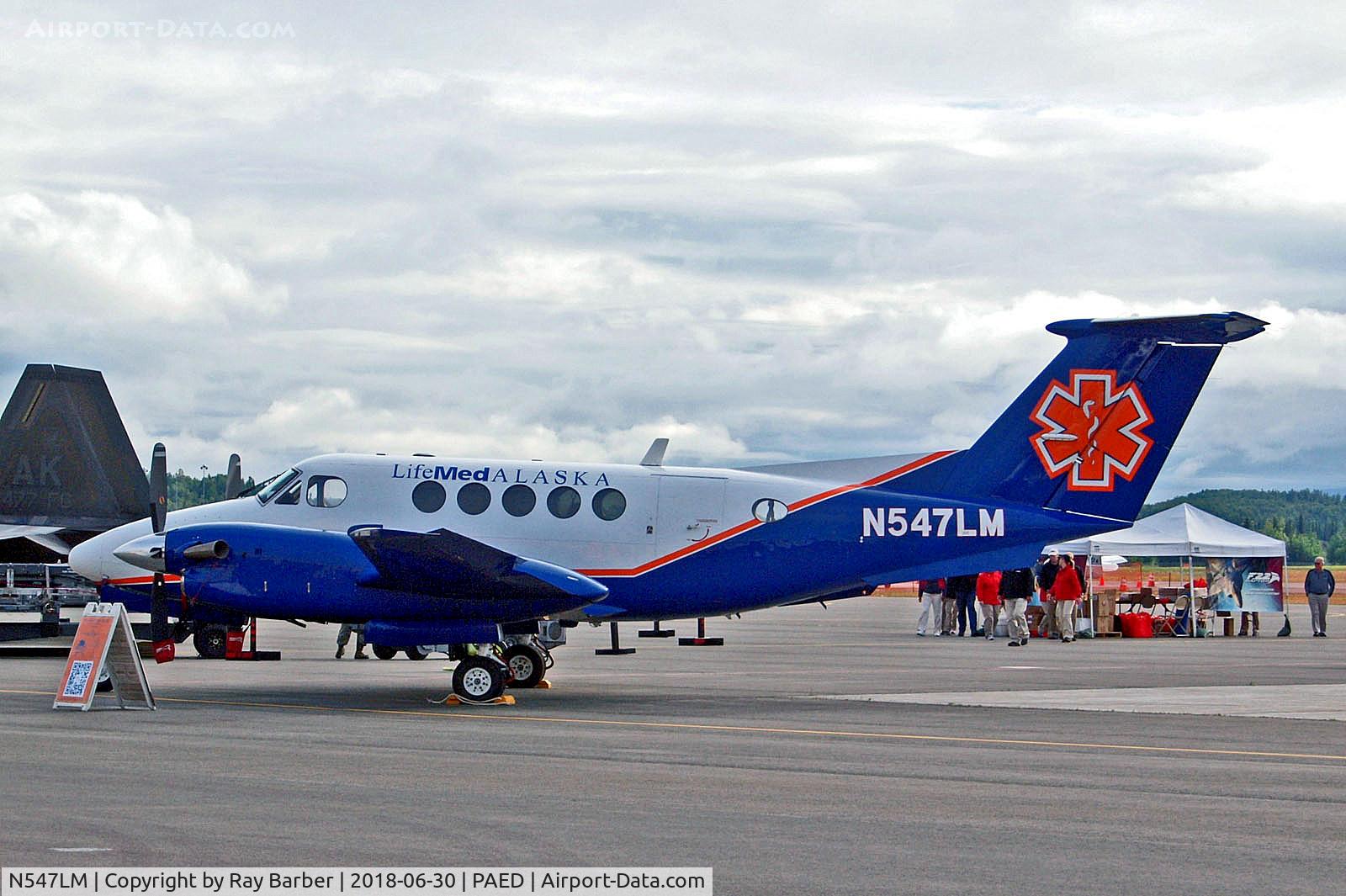
Flight / Schedule
Dutch Harbor - Adak
Aircraft
Beechcraft 200 Super King AirRegistration
N547LM
MSN
BB-1642
Year of Manufacture
1998
Operator
LifeMed AlaskaDate
January 16, 2020 at 08:06 AM
Type
CRASHFlight Type
Ambulance
Flight Phase
Takeoff (climb)
Crash Site
Lake, Sea, Ocean, River
Crash Location
Dutch Harbor Alaska
Region
North America • United States of America
Coordinates
53.8868°, -166.5418°
Narrative Report
On January 16, 2020 at 08:06 AM, Dutch Harbor - Adak experienced a crash involving Beechcraft 200 Super King Air, operated by LifeMed Alaska, with the event recorded near Dutch Harbor Alaska.
The flight was categorized as ambulance and the reported phase was takeoff (climb) at a lake, sea, ocean, river crash site.
3 people were known to be on board, 0 fatalities were recorded, 3 survivors were identified or estimated. This corresponds to an estimated fatality rate of 0.0%.
Crew on board: 1, crew fatalities: 0, passengers on board: 2, passenger fatalities: 0, other fatalities: 0.
On January 16, 2020, about 0806 Alaska standard time, a Raytheon Aircraft Company B200 airplane, Lifeguard N547LM, sustained substantial damage when it impacted the waters of the Bering Sea while departing from the Thomas Madsen Airport (PADU), Unalaska, Alaska (Port of Dutch Harbor). The airplane was being operated by Aero Air, as a Title 14 Code of Federal Regulations (CFR) Part 135 instrument flight rules (IFR) air ambulance flight when the accident occurred. The airline transport pilot sustained minor injuries and the flight paramedic, and flight nurse were uninjured. Visual meteorological conditions prevailed at the departure airport, and company flight following procedures were in effect. The flight departed Thomas Madsen Airport (PADU), Unalaska, Alaska (Port of Dutch Harbor), about 0756 destined for Adak, Alaska. According to the pilot, after checking the weather on the Automated Weather Observing System (AWOS), he completed the before takeoff check list, back taxied for a runway 31 departure and initiated the takeoff roll. He said he recalled the winds being reported as 100° at 9 knots. As the airplane accelerated down the runway, he said the airspeed was about 75 knots at midfield and increasing. When the airspeed reached about 90 knots, he applied back pressure to the control yoke to initiate the takeoff and noted a brief positive rate of climb, followed by a sinking sensation. The airspeed rapidly decayed, and the stall warning horn sounded. In an effort to correct for the decaying airspeed, he lowered the nose and immediately noticed the airplane's lights reflecting off the surface of the water. He pulled back on the airplane's control yoke and leveled the wings just before impacting the ocean waters. The pilot stated there were no preaccident mechanical malfunctions or anomalies that would have precluded normal operation. According to the medical crew, after a preflight briefing that included a brief discussion by the pilot of the planned downwind takeoff, the airplane door was shut, and the airplane taxied for departure. The crewmembers reported that, during the initial takeoff run the airplane acceleration appeared normal; however, the airplane seemed to remain on the runway longer than normal. One of the crewmembers reported that he felt the nose of the airplane lift from the surface of the runway before settling back down, which was followed by a second rotation and a substantial bump. The other crewmember reported that he felt the nose of the airplane lift off the runway, followed by a substantial bump as if the airplane struck something at the end of the runway. Shortly thereafter, the airplane impacted the ocean waters. After the airplane came to rest and began to fill with water, the crew removed the emergency exit, donned life preservers and inflated and deployed the life raft. They then exited the airplane one at a time through the over-the-wing emergency exit into the life raft. After casting off from the damaged and sinking airplane. They notified their communications center via cell phone of the accident and requested assistance. The contract weather observer on duty that witnessed the accident, reported that she first observed the airplane begin its takeoff roll on runway 31 at PADU, and noted that the pilot did not call via a radio for the current airport weather conditions. In an effort to provide the flight crew with current wind conditions, she made her way to the radio; however, by the time she was ready to transmit the airplane was already midfield on its departure roll. She stated that although it was still dark, it appeared that the airplane did not become airborne and exited the end of the runway. Concerned for the well-being of the occupants, she alerted first responders. The life raft was first reached by first responders within about 30 minutes. The closest official weather observation station was PADU Unalaska, Alaska. The local weather observer, call sign Dutch Weather, 0756 observation reported wind from 110° at 16 knots, gusting to 22 knots; 6 statute miles visibility in light rain and mist; overcast clouds at 1,400 ft; temperature 39° F; dew point 36° F; and an altimeter setting of 29.48 inches of mercury. Peak winds reported at time 0740 were 150° at 26 knots and 110° at 30 knots. A PADU 0757 observation reported wind from 110° at 20 knots, gusting to 28 knots; 6 statute miles visibility in light rain and mist; overcast clouds at 1,400 ft; temperature 39° F; dew point 36° F; and an altimeter setting of 29.48 inches of mercury. IFR takeoff minimums and (obstacle) departure procedures only allow for night departures at PADU off of runway 31. The airplane was equipped with a cockpit voice recorder (CVR) and an underwater beacon. The CVR has been recovered and was sent to the National Transportation Safety Board's Recorders Laboratory for an audition.
Aircraft reference details include registration N547LM, MSN BB-1642, year of manufacture 1998.
Geospatial coordinates for this crash are approximately 53.8868°, -166.5418°.
Fatalities
Total
0
Crew
0
Passengers
0
Other
0
Crash Summary
On January 16, 2020, about 0806 Alaska standard time, a Raytheon Aircraft Company B200 airplane, Lifeguard N547LM, sustained substantial damage when it impacted the waters of the Bering Sea while departing from the Thomas Madsen Airport (PADU), Unalaska, Alaska (Port of Dutch Harbor). The airplane was being operated by Aero Air, as a Title 14 Code of Federal Regulations (CFR) Part 135 instrument flight rules (IFR) air ambulance flight when the accident occurred. The airline transport pilot sustained minor injuries and the flight paramedic, and flight nurse were uninjured. Visual meteorological conditions prevailed at the departure airport, and company flight following procedures were in effect. The flight departed Thomas Madsen Airport (PADU), Unalaska, Alaska (Port of Dutch Harbor), about 0756 destined for Adak, Alaska. According to the pilot, after checking the weather on the Automated Weather Observing System (AWOS), he completed the before takeoff check list, back taxied for a runway 31 departure and initiated the takeoff roll. He said he recalled the winds being reported as 100° at 9 knots. As the airplane accelerated down the runway, he said the airspeed was about 75 knots at midfield and increasing. When the airspeed reached about 90 knots, he applied back pressure to the control yoke to initiate the takeoff and noted a brief positive rate of climb, followed by a sinking sensation. The airspeed rapidly decayed, and the stall warning horn sounded. In an effort to correct for the decaying airspeed, he lowered the nose and immediately noticed the airplane's lights reflecting off the surface of the water. He pulled back on the airplane's control yoke and leveled the wings just before impacting the ocean waters. The pilot stated there were no preaccident mechanical malfunctions or anomalies that would have precluded normal operation. According to the medical crew, after a preflight briefing that included a brief discussion by the pilot of the planned downwind takeoff, the airplane door was shut, and the airplane taxied for departure. The crewmembers reported that, during the initial takeoff run the airplane acceleration appeared normal; however, the airplane seemed to remain on the runway longer than normal. One of the crewmembers reported that he felt the nose of the airplane lift from the surface of the runway before settling back down, which was followed by a second rotation and a substantial bump. The other crewmember reported that he felt the nose of the airplane lift off the runway, followed by a substantial bump as if the airplane struck something at the end of the runway. Shortly thereafter, the airplane impacted the ocean waters. After the airplane came to rest and began to fill with water, the crew removed the emergency exit, donned life preservers and inflated and deployed the life raft. They then exited the airplane one at a time through the over-the-wing emergency exit into the life raft. After casting off from the damaged and sinking airplane. They notified their communications center via cell phone of the accident and requested assistance. The contract weather observer on duty that witnessed the accident, reported that she first observed the airplane begin its takeoff roll on runway 31 at PADU, and noted that the pilot did not call via a radio for the current airport weather conditions. In an effort to provide the flight crew with current wind conditions, she made her way to the radio; however, by the time she was ready to transmit the airplane was already midfield on its departure roll. She stated that although it was still dark, it appeared that the airplane did not become airborne and exited the end of the runway. Concerned for the well-being of the occupants, she alerted first responders. The life raft was first reached by first responders within about 30 minutes. The closest official weather observation station was PADU Unalaska, Alaska. The local weather observer, call sign Dutch Weather, 0756 observation reported wind from 110° at 16 knots, gusting to 22 knots; 6 statute miles visibility in light rain and mist; overcast clouds at 1,400 ft; temperature 39° F; dew point 36° F; and an altimeter setting of 29.48 inches of mercury. Peak winds reported at time 0740 were 150° at 26 knots and 110° at 30 knots. A PADU 0757 observation reported wind from 110° at 20 knots, gusting to 28 knots; 6 statute miles visibility in light rain and mist; overcast clouds at 1,400 ft; temperature 39° F; dew point 36° F; and an altimeter setting of 29.48 inches of mercury. IFR takeoff minimums and (obstacle) departure procedures only allow for night departures at PADU off of runway 31. The airplane was equipped with a cockpit voice recorder (CVR) and an underwater beacon. The CVR has been recovered and was sent to the National Transportation Safety Board's Recorders Laboratory for an audition.
Occupants & Outcome
Crew On Board
1
Passengers On Board
2
Estimated Survivors
3
Fatality Rate
0.0%
Known people on board: 3
Operational Details
Schedule / Flight
Dutch Harbor - Adak
Operator
LifeMed AlaskaFlight Type
Ambulance
Flight Phase
Takeoff (climb)
Crash Site
Lake, Sea, Ocean, River
Region / Country
North America • United States of America
Aircraft Details
Similar Plane Crashes
United States Signal Corps - USSC
De Havilland DH.4
The single engine airplane departed Dayton-McCook Field for a local test flight. Shortly after takeoff, the aircraft stalled and crashed, killing both occupants. Crew: Maj Oscar Brindley, Lt Col Henry Damm.
United States Signal Corps - USSC
De Havilland DH.4
Lt. Frank Stuart Patterson, son and nephew of the co-founders of National Cash Register, is killed in the crash of his DH.4M, AS-32098, at Wilbur Wright Field during a flight test of a new mechanism for synchronizing machine gun and propeller, when a tie rod breaks during a dive from 15,000 feet (4,600 m), causing the wings to separate from the aircraft. Wishing to recognize the contributions of the Patterson family (owners of NCR) the area of Wright Field east of Huffman Dam (including Wilbur Wright Field, Fairfield Air Depot, and the Huffman Prairie) is renamed Patterson Field on 6 July 1931, in honor of Lt. Patterson.
United States Signal Corps - USSC
De Havilland DH.4
The aircraft crashed in unknown circumstances.
United States Signal Corps - USSC
De Havilland DH.4
The crew was completing a training mission. At an altitude of about 4,000 feet, the aircraft entered a spin and crashed in an open field near Everman-Barron Field Airport. A crew was killed and the second occupants was injured. The aircraft was destroyed.
U.S. Air Mail Service
De Havilland DH.4
Crashed following an engine failure. Pilot fate unknown.
United States Signal Corps - USSC
De Havilland DH.4
The accident occurred in unknown circumstances.