
Istanbul – Odessa
Flight / Schedule
Istanbul – Odessa
Aircraft
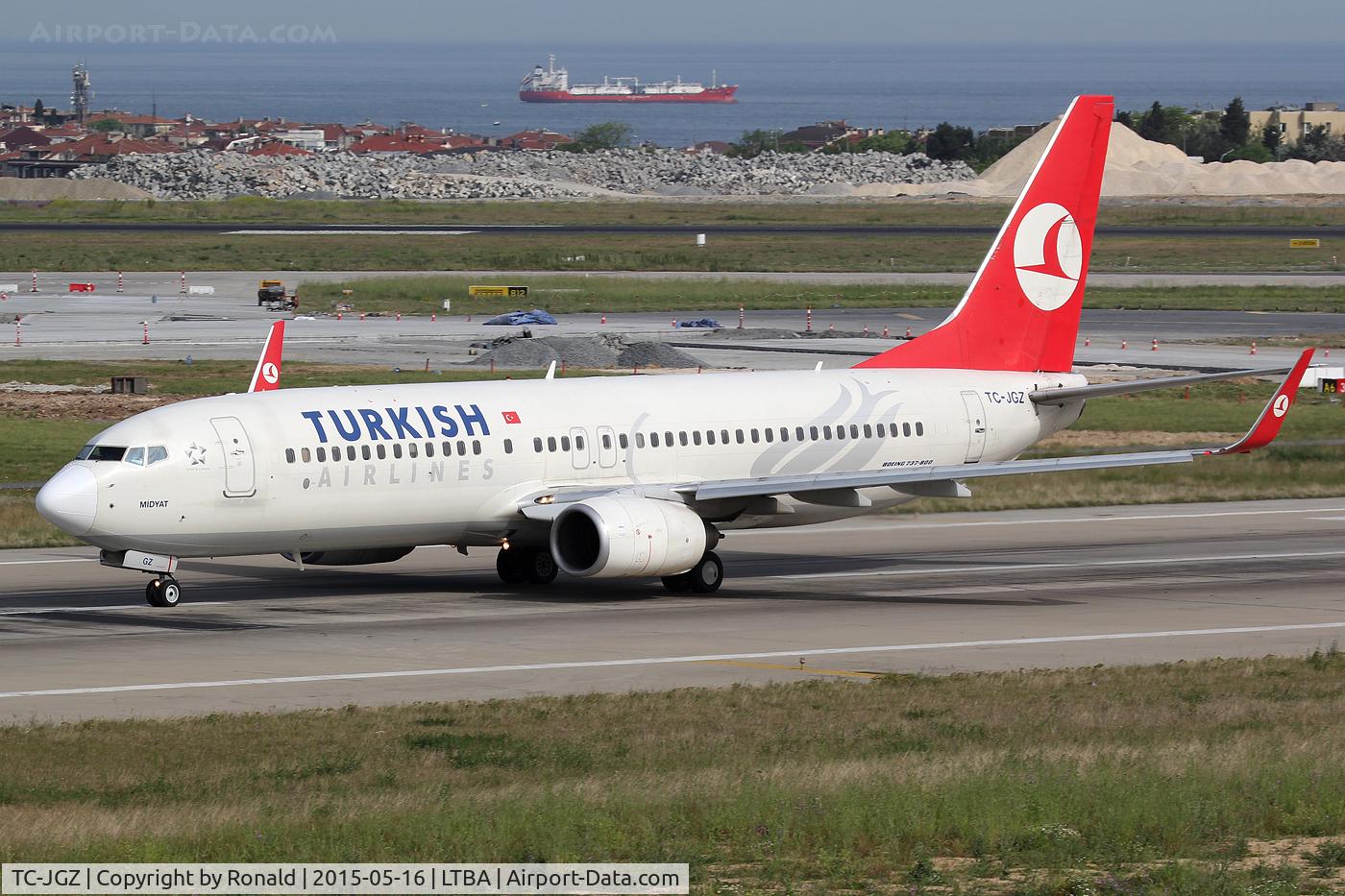
Boeing 737-800Registration
TC-JGZ
MSN
35739/2654
Year of Manufacture
2008
Date
November 21, 2019 at 08:55 PM
Type
CRASHFlight Type
Scheduled Revenue Flight
Flight Phase
Landing (descent or approach)
Crash Site
Airport (less than 10 km from airport)
Crash Location
Odessa Odessa Oblast
Region
Europe • Ukraine
Coordinates
46.4829°, 30.7240°
Crash Cause
Human factor
Narrative Report
On November 21, 2019 at 08:55 PM, Istanbul – Odessa experienced a crash involving Boeing 737-800, operated by Turkish Airlines - THY Türk Hava Yollari, with the event recorded near Odessa Odessa Oblast.
The flight was categorized as scheduled revenue flight and the reported phase was landing (descent or approach) at a airport (less than 10 km from airport) crash site.
142 people were known to be on board, 0 fatalities were recorded, 142 survivors were identified or estimated. This corresponds to an estimated fatality rate of 0.0%.
Crew on board: 6, crew fatalities: 0, passengers on board: 136, passenger fatalities: 0, other fatalities: 0.
The listed crash cause is human factor. On November 21, 2019, a regular THY2UT flight en-route Istanbul – Odesa at B737-800 aircraft, nationality and registration mark TC-JGZ of the Turkish Airlines, was performed by the aircraft crew consisting of the Pilot-in-Command (PIC), co-pilot and four flight attendants of the aircraft. In fact, the departure from Istanbul Airport was performed at 17:33. The actual aircraft landing took place at 18:55. According to the flight plan, the alternate aerodromes were Istanbul and Chi<U+0219>inau. There were 136 passengers and 2793 kg of luggage on board the aircraft. The PIC was a Pilot Flying, and the co-pilot was a Pilot Monitoring of the aircraft. The pre-flight briefing of the crew, according to its explanations, was carried out before departure from the Istanbul Airport, after which the PIC took the decision to perform the flight. The climb and level flight were performed in the normal mode. The landing approach was performed to the Runway16 with ILS system at a significant crosswind component of variable directions. At the final stage of approaching with ILS to Runway 16, the ATC controller of the aerodrome control tower (ATC Tower) gave the aircraft crew a clearance for landing. The aircraft crew confirmed the controller’s clearance and continued the landing approach. Subsequently, from a height of about 50 meters, the aircraft performed a go-around due to the aircraft non-stabilization before landing. Following the go-around, the aircraft headed to the holding area to wait for favorable values of wind force and direction. At 18:45, the PIC took the decision to carry out a repeated landing approach, reported of that to the ATC controller, who provided ATS in the Odesa Terminal Maneuvering Area (TMA.) At 18:51, the crew re-contacted the Tower controller and received the clearance to land. At 18:55, after touchdown, during the runway run, the aircraft began to deviate to the left and veered off of the runway to the left onto the cleared and graded area. After 550 m run on the soil, the aircraft returned to the runway with its right main landing gear and nose part (while moving on the soil, the nose landing gear collapsed) and came to rest at the distance of 1612 m from the runway entrance threshold. The crew performed an emergency evacuation of passengers from the aircraft. As a result of the accident, the aircraft suffered a significant damage to the nose part of the fuselage and left engine. None of the passengers or crew members was injured.
Aircraft reference details include registration TC-JGZ, MSN 35739/2654, year of manufacture 2008.
Geospatial coordinates for this crash are approximately 46.4829°, 30.7240°.
Fatalities
Total
0
Crew
0
Passengers
0
Other
0
Crash Summary
On November 21, 2019, a regular THY2UT flight en-route Istanbul – Odesa at B737-800 aircraft, nationality and registration mark TC-JGZ of the Turkish Airlines, was performed by the aircraft crew consisting of the Pilot-in-Command (PIC), co-pilot and four flight attendants of the aircraft. In fact, the departure from Istanbul Airport was performed at 17:33. The actual aircraft landing took place at 18:55. According to the flight plan, the alternate aerodromes were Istanbul and Chi<U+0219>inau. There were 136 passengers and 2793 kg of luggage on board the aircraft. The PIC was a Pilot Flying, and the co-pilot was a Pilot Monitoring of the aircraft. The pre-flight briefing of the crew, according to its explanations, was carried out before departure from the Istanbul Airport, after which the PIC took the decision to perform the flight. The climb and level flight were performed in the normal mode. The landing approach was performed to the Runway16 with ILS system at a significant crosswind component of variable directions. At the final stage of approaching with ILS to Runway 16, the ATC controller of the aerodrome control tower (ATC Tower) gave the aircraft crew a clearance for landing. The aircraft crew confirmed the controller’s clearance and continued the landing approach. Subsequently, from a height of about 50 meters, the aircraft performed a go-around due to the aircraft non-stabilization before landing. Following the go-around, the aircraft headed to the holding area to wait for favorable values of wind force and direction. At 18:45, the PIC took the decision to carry out a repeated landing approach, reported of that to the ATC controller, who provided ATS in the Odesa Terminal Maneuvering Area (TMA.) At 18:51, the crew re-contacted the Tower controller and received the clearance to land. At 18:55, after touchdown, during the runway run, the aircraft began to deviate to the left and veered off of the runway to the left onto the cleared and graded area. After 550 m run on the soil, the aircraft returned to the runway with its right main landing gear and nose part (while moving on the soil, the nose landing gear collapsed) and came to rest at the distance of 1612 m from the runway entrance threshold. The crew performed an emergency evacuation of passengers from the aircraft. As a result of the accident, the aircraft suffered a significant damage to the nose part of the fuselage and left engine. None of the passengers or crew members was injured.
Cause: Human factor
Occupants & Outcome
Crew On Board
6
Passengers On Board
136
Estimated Survivors
142
Fatality Rate
0.0%
Known people on board: 142
Operational Details
Schedule / Flight
Istanbul – Odessa
Flight Type
Scheduled Revenue Flight
Flight Phase
Landing (descent or approach)
Crash Site
Airport (less than 10 km from airport)
Region / Country
Europe • Ukraine
Aircraft Details
Similar Plane Crashes
Ukrvozduchput
Dornier Komet III
Crashed in unknown circumstances.
Ukrvozduchput
Fokker F3
Crashed in unknown circumstances.
Ukrvozduchput
Dornier Komet II
Crashed in unknown circumstances. The exact date of the mishap remains unknown, somewhere in 1928.
Ukrvozduchput
Dornier Komet II
Crashed in unknown circumstances. Occupant fate unknown.
Aeroflot - Russian International Airlines
Lisunov LI-2
From Oboyan to a target behind the German lines 20 km east of Mirgorod when crossed the front-line near Akhtyrka (Sumy region of Ukraine) and was never heard again. All crew MIA presumed killed.
Aeroflot - Russian International Airlines
Lisunov LI-2
The crew left Melitopol on a supply mission to the soldiers of the 3rd Ukrainian Front. Crashed in unknown circumstances between Nikopol and Krivoi Rog. No trace of the aircraft nor the crew was found.