
Oroville - Portland
Flight / Schedule
Oroville - Portland
Aircraft
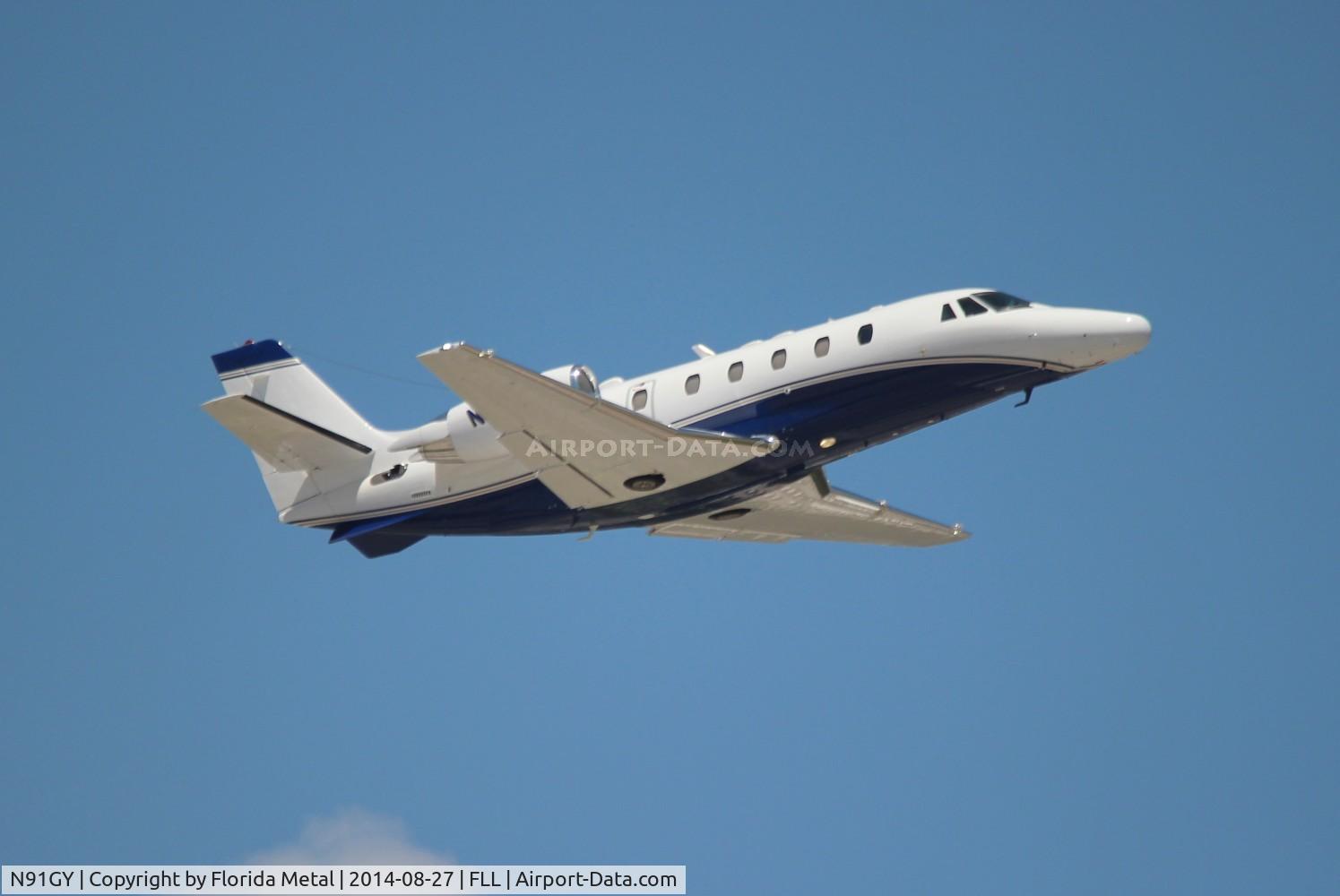
Cessna 560XLS Citation ExcelRegistration
N91GY
MSN
560-5314
Year of Manufacture
2003
Operator
Delta Private JetsDate
August 21, 2019 at 11:32 AM
Type
CRASHFlight Type
Charter/Taxi (Non Scheduled Revenue Flight)
Flight Phase
Takeoff (climb)
Crash Site
Airport (less than 10 km from airport)
Crash Location
Oroville California
Region
North America • United States of America
Coordinates
39.5138°, -121.5564°
Narrative Report
On August 21, 2019 at 11:32 AM, Oroville - Portland experienced a crash involving Cessna 560XLS Citation Excel, operated by Delta Private Jets, with the event recorded near Oroville California.
The flight was categorized as charter/taxi (non scheduled revenue flight) and the reported phase was takeoff (climb) at a airport (less than 10 km from airport) crash site.
10 people were known to be on board, 0 fatalities were recorded, 10 survivors were identified or estimated. This corresponds to an estimated fatality rate of 0.0%.
Crew on board: 2, crew fatalities: 0, passengers on board: 8, passenger fatalities: 0, other fatalities: 0.
On August 21, 2019, about 1132 Pacific daylight time, a Cessna 560XL airplane, N91GY, overran the departure end of runway 2 following a rejected takeoff from Oroville Municipal Airport (OVE), Oroville, California. The two airline-transport pilots and 8 passengers were not injured. The airplane was destroyed by a post-crash fire that consumed a majority of the airplane. The airplane was registered to Jotts LLC, and was operated by Delta Private Jets, as a Title 14 Code of Federal Regulations Part 135 on-demand charter flight. Visual meteorological conditions prevailed, and an instrument flight rules flight plan was filed. The flight was originating at the time of the accident and was destined for Portland International Airport (PDX), Portland, Oregon. The pilot flying reported that prior to takeoff, they had a waypoint fix and departure change, which he updated within the flight management system. As they taxied onto runway 2, he called for the before takeoff checklist. Following completion of the checklist, they initiated takeoff, and the non-flying pilot called "airspeed alive," V1, and Vr. The pilot flying stated that "it was just a weird sensation" as he pulled the yoke back and the airplane didn't lift off. The pilot flying further stated that he pulled the yoke back a second time and noticed no movement of the nose. Shortly after, the non-flying pilot called for an abort, and the pilot flying applied full thrust reversers and maximum braking. Subsequently, the airplane exited the departure end of the runway, impacted a ditch, and skidded across a grass covered area, where a post impact fire ensued. Review of surveillance video from a fixed-based operator (FBO) located at OVE showed the airplane holding short of runway 2 for about 3 minutes, 44 seconds. The airplane then taxied forward toward runway 2, stopped, and remained stationary for about 18 seconds, until it began to taxi again onto the runway. After lining up on the runway, the airplane remained stationary for about 16 seconds. Once the takeoff roll was initiated, the airplane traveled out of the camera frame 48 seconds later. The position where the airplane moves out of the camera frame was about 730 ft beyond the departure end of runway 2. Examination of the accident site revealed that the airplane came to rest about 1,990 ft beyond the departure end of runway 2, on a heading of about 060° magnetic. Review of a photo taken by a witness prior to the airplane being consumed by the fire, revealed that the airplane was mostly intact and resting on the underside of the fuselage and wings. Examination of the runway revealed tire transfer marks which originated from the runway 2 hold short line and progressed onto the runway, and continued throughout the entire length of the runway, overrun, adjacent runway, grassy area, taxiway, and grassy area near the main wreckage. The wreckage was recovered to a secure location for further examination.
Aircraft reference details include registration N91GY, MSN 560-5314, year of manufacture 2003.
Geospatial coordinates for this crash are approximately 39.5138°, -121.5564°.
Fatalities
Total
0
Crew
0
Passengers
0
Other
0
Crash Summary
On August 21, 2019, about 1132 Pacific daylight time, a Cessna 560XL airplane, N91GY, overran the departure end of runway 2 following a rejected takeoff from Oroville Municipal Airport (OVE), Oroville, California. The two airline-transport pilots and 8 passengers were not injured. The airplane was destroyed by a post-crash fire that consumed a majority of the airplane. The airplane was registered to Jotts LLC, and was operated by Delta Private Jets, as a Title 14 Code of Federal Regulations Part 135 on-demand charter flight. Visual meteorological conditions prevailed, and an instrument flight rules flight plan was filed. The flight was originating at the time of the accident and was destined for Portland International Airport (PDX), Portland, Oregon. The pilot flying reported that prior to takeoff, they had a waypoint fix and departure change, which he updated within the flight management system. As they taxied onto runway 2, he called for the before takeoff checklist. Following completion of the checklist, they initiated takeoff, and the non-flying pilot called "airspeed alive," V1, and Vr. The pilot flying stated that "it was just a weird sensation" as he pulled the yoke back and the airplane didn't lift off. The pilot flying further stated that he pulled the yoke back a second time and noticed no movement of the nose. Shortly after, the non-flying pilot called for an abort, and the pilot flying applied full thrust reversers and maximum braking. Subsequently, the airplane exited the departure end of the runway, impacted a ditch, and skidded across a grass covered area, where a post impact fire ensued. Review of surveillance video from a fixed-based operator (FBO) located at OVE showed the airplane holding short of runway 2 for about 3 minutes, 44 seconds. The airplane then taxied forward toward runway 2, stopped, and remained stationary for about 18 seconds, until it began to taxi again onto the runway. After lining up on the runway, the airplane remained stationary for about 16 seconds. Once the takeoff roll was initiated, the airplane traveled out of the camera frame 48 seconds later. The position where the airplane moves out of the camera frame was about 730 ft beyond the departure end of runway 2. Examination of the accident site revealed that the airplane came to rest about 1,990 ft beyond the departure end of runway 2, on a heading of about 060° magnetic. Review of a photo taken by a witness prior to the airplane being consumed by the fire, revealed that the airplane was mostly intact and resting on the underside of the fuselage and wings. Examination of the runway revealed tire transfer marks which originated from the runway 2 hold short line and progressed onto the runway, and continued throughout the entire length of the runway, overrun, adjacent runway, grassy area, taxiway, and grassy area near the main wreckage. The wreckage was recovered to a secure location for further examination.
Occupants & Outcome
Crew On Board
2
Passengers On Board
8
Estimated Survivors
10
Fatality Rate
0.0%
Known people on board: 10
Operational Details
Schedule / Flight
Oroville - Portland
Operator
Delta Private JetsFlight Type
Charter/Taxi (Non Scheduled Revenue Flight)
Flight Phase
Takeoff (climb)
Crash Site
Airport (less than 10 km from airport)
Region / Country
North America • United States of America
Aircraft Details
Similar Plane Crashes
United States Signal Corps - USSC
De Havilland DH.4
The single engine airplane departed Dayton-McCook Field for a local test flight. Shortly after takeoff, the aircraft stalled and crashed, killing both occupants. Crew: Maj Oscar Brindley, Lt Col Henry Damm.
United States Signal Corps - USSC
De Havilland DH.4
Lt. Frank Stuart Patterson, son and nephew of the co-founders of National Cash Register, is killed in the crash of his DH.4M, AS-32098, at Wilbur Wright Field during a flight test of a new mechanism for synchronizing machine gun and propeller, when a tie rod breaks during a dive from 15,000 feet (4,600 m), causing the wings to separate from the aircraft. Wishing to recognize the contributions of the Patterson family (owners of NCR) the area of Wright Field east of Huffman Dam (including Wilbur Wright Field, Fairfield Air Depot, and the Huffman Prairie) is renamed Patterson Field on 6 July 1931, in honor of Lt. Patterson.
United States Signal Corps - USSC
De Havilland DH.4
The aircraft crashed in unknown circumstances.
United States Signal Corps - USSC
De Havilland DH.4
The crew was completing a training mission. At an altitude of about 4,000 feet, the aircraft entered a spin and crashed in an open field near Everman-Barron Field Airport. A crew was killed and the second occupants was injured. The aircraft was destroyed.
U.S. Air Mail Service
De Havilland DH.4
Crashed following an engine failure. Pilot fate unknown.
United States Signal Corps - USSC
De Havilland DH.4
The accident occurred in unknown circumstances.