
Dillingham - Dillingham
Flight / Schedule
Dillingham - Dillingham
Aircraft
Beechcraft 90 King AirRegistration
N256TA
MSN
LJ-256
Year of Manufacture
1967
Operator
Oahu Parachute CenterDate
June 21, 2019 at 06:22 PM
Type
CRASHFlight Type
Skydiving / Paratroopers
Flight Phase
Takeoff (climb)
Crash Site
Airport (less than 10 km from airport)
Crash Location
Dillingham (O'ahu Island) Hawaii
Region
North America • United States of America
Crash Cause
Human factor
Narrative Report
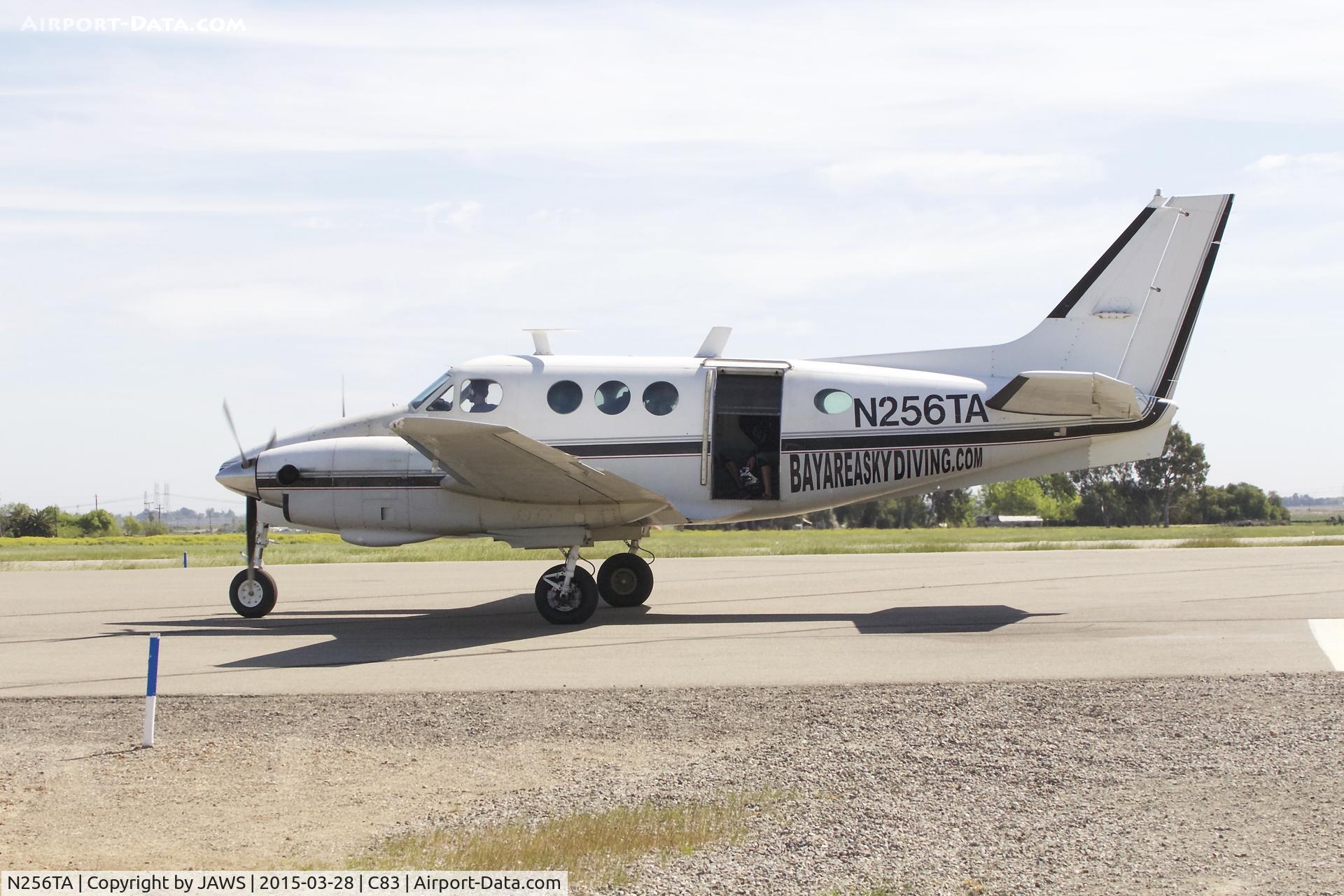
On June 21, 2019 at 06:22 PM, Dillingham - Dillingham experienced a crash involving Beechcraft 90 King Air, operated by Oahu Parachute Center, with the event recorded near Dillingham (O'ahu Island) Hawaii.
The flight was categorized as skydiving / paratroopers and the reported phase was takeoff (climb) at a airport (less than 10 km from airport) crash site.
11 people were known to be on board, 11 fatalities were recorded, 0 survivors were identified or estimated. This corresponds to an estimated fatality rate of 100.0%.
Crew on board: 1, crew fatalities: 1, passengers on board: 10, passenger fatalities: 10, other fatalities: 0.
The listed crash cause is human factor. On June 21, 2019, about 1822 Hawaii-Aleutian standard time, a Beech King Air 65-A90 airplane, N256TA, impacted terrain after takeoff from Dillingham Airfield (HDH), Mokuleia, Hawaii. The pilot and 10 passengers were fatally injured, and the airplane was destroyed. The airplane was owned by N80896 LLC and was operated by Oahu Parachute Center (OPC) LLC under the provisions of Title 14 Code of Federal Regulations (CFR) Part 91 as a local parachute jump (skydiving) flight. Visual meteorological conditions prevailed at the time of the accident. OPC had scheduled five parachute jump flights on the day of the accident and referred to the third through fifth flights of the day as “sunset” flights because they occurred during the late afternoon and early evening. The accident occurred during the fourth flight. The accident pilot was the pilot-in-command (PIC) for each of the OPC flights that departed on the day of the accident. The pilot and 8 of the 10 passengers initially boarded the airplane. These eight passengers comprised three OPC tandem parachute instructors, three passenger parachutists, and two OPC parachutists performing camera operator functions. The pilot began to taxi the airplane from OPC’s location on the airport. According to a witness (an OPC tandem instructor who was not aboard the accident flight), the two other passengers—solo parachutists who had been on the previous skydiving flight and were late additions to the accident flight—“ran out to the airplane and were loaded up at the last minute.” The pilot taxied the airplane to runway 8 about 1820, and the airplane departed about 1822. According to multiple witnesses, after the airplane lifted off, it banked to the left, rolled inverted, and descended to the ground. One witness stated that, before impact, the airplane appeared to be intact and that there were no unusual noises or smoke coming from the airplane. A security camera video showed that the airplane was inverted in a 45° nose-down attitude at the time of impact. The airplane impacted a grass and dirt area about 630 ft northeast of the departure end of the runway, and a postcrash fire ensued. The airplane was not equipped, and was not required to be equipped, with a cockpit voice recorder or a flight data recorder. The accident flight was not detected by radar at the Federal Aviation Administration’s (FAA) Hawaii Control Facility, which was the air traffic control (ATC) facility with jurisdiction of the airspace over HDH. The FAA found no audio communications between the accident airplane and ATC on the day of the accident.
Aircraft reference details include registration N256TA, MSN LJ-256, year of manufacture 1967.
Fatalities
Total
11
Crew
1
Passengers
10
Other
0
Crash Summary
On June 21, 2019, about 1822 Hawaii-Aleutian standard time, a Beech King Air 65-A90 airplane, N256TA, impacted terrain after takeoff from Dillingham Airfield (HDH), Mokuleia, Hawaii. The pilot and 10 passengers were fatally injured, and the airplane was destroyed. The airplane was owned by N80896 LLC and was operated by Oahu Parachute Center (OPC) LLC under the provisions of Title 14 Code of Federal Regulations (CFR) Part 91 as a local parachute jump (skydiving) flight. Visual meteorological conditions prevailed at the time of the accident. OPC had scheduled five parachute jump flights on the day of the accident and referred to the third through fifth flights of the day as “sunset” flights because they occurred during the late afternoon and early evening. The accident occurred during the fourth flight. The accident pilot was the pilot-in-command (PIC) for each of the OPC flights that departed on the day of the accident. The pilot and 8 of the 10 passengers initially boarded the airplane. These eight passengers comprised three OPC tandem parachute instructors, three passenger parachutists, and two OPC parachutists performing camera operator functions. The pilot began to taxi the airplane from OPC’s location on the airport. According to a witness (an OPC tandem instructor who was not aboard the accident flight), the two other passengers—solo parachutists who had been on the previous skydiving flight and were late additions to the accident flight—“ran out to the airplane and were loaded up at the last minute.” The pilot taxied the airplane to runway 8 about 1820, and the airplane departed about 1822. According to multiple witnesses, after the airplane lifted off, it banked to the left, rolled inverted, and descended to the ground. One witness stated that, before impact, the airplane appeared to be intact and that there were no unusual noises or smoke coming from the airplane. A security camera video showed that the airplane was inverted in a 45° nose-down attitude at the time of impact. The airplane impacted a grass and dirt area about 630 ft northeast of the departure end of the runway, and a postcrash fire ensued. The airplane was not equipped, and was not required to be equipped, with a cockpit voice recorder or a flight data recorder. The accident flight was not detected by radar at the Federal Aviation Administration’s (FAA) Hawaii Control Facility, which was the air traffic control (ATC) facility with jurisdiction of the airspace over HDH. The FAA found no audio communications between the accident airplane and ATC on the day of the accident.
Cause: Human factor
Occupants & Outcome
Crew On Board
1
Passengers On Board
10
Estimated Survivors
0
Fatality Rate
100.0%
Known people on board: 11
Operational Details
Schedule / Flight
Dillingham - Dillingham
Operator
Oahu Parachute CenterFlight Type
Skydiving / Paratroopers
Flight Phase
Takeoff (climb)
Crash Site
Airport (less than 10 km from airport)
Region / Country
North America • United States of America
Aircraft Details
Similar Plane Crashes
United States Signal Corps - USSC
De Havilland DH.4
The single engine airplane departed Dayton-McCook Field for a local test flight. Shortly after takeoff, the aircraft stalled and crashed, killing both occupants. Crew: Maj Oscar Brindley, Lt Col Henry Damm.
United States Signal Corps - USSC
De Havilland DH.4
Lt. Frank Stuart Patterson, son and nephew of the co-founders of National Cash Register, is killed in the crash of his DH.4M, AS-32098, at Wilbur Wright Field during a flight test of a new mechanism for synchronizing machine gun and propeller, when a tie rod breaks during a dive from 15,000 feet (4,600 m), causing the wings to separate from the aircraft. Wishing to recognize the contributions of the Patterson family (owners of NCR) the area of Wright Field east of Huffman Dam (including Wilbur Wright Field, Fairfield Air Depot, and the Huffman Prairie) is renamed Patterson Field on 6 July 1931, in honor of Lt. Patterson.
United States Signal Corps - USSC
De Havilland DH.4
The aircraft crashed in unknown circumstances.
United States Signal Corps - USSC
De Havilland DH.4
The crew was completing a training mission. At an altitude of about 4,000 feet, the aircraft entered a spin and crashed in an open field near Everman-Barron Field Airport. A crew was killed and the second occupants was injured. The aircraft was destroyed.
U.S. Air Mail Service
De Havilland DH.4
Crashed following an engine failure. Pilot fate unknown.
United States Signal Corps - USSC
De Havilland DH.4
The accident occurred in unknown circumstances.