
Fullerton – Minden
Flight / Schedule
Fullerton – Minden
Aircraft
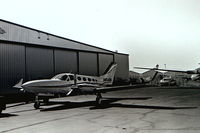
Cessna 414 ChancellorRegistration
N414RS
MSN
414A-0821
Year of Manufacture
1981
Operator
KL ManagementDate
February 3, 2019 at 01:45 PM
Type
CRASHFlight Type
Private
Flight Phase
Takeoff (climb)
Crash Site
City
Crash Location
Yorba Linda California
Region
North America • United States of America
Coordinates
33.8901°, -117.8250°
Crash Cause
Human factor
Narrative Report
On February 3, 2019 at 01:45 PM, Fullerton – Minden experienced a crash involving Cessna 414 Chancellor, operated by KL Management, with the event recorded near Yorba Linda California.
The flight was categorized as private and the reported phase was takeoff (climb) at a city crash site.
1 people were known to be on board, 5 fatalities were recorded, 0 survivors were identified or estimated. This corresponds to an estimated fatality rate of 500.0%.
Crew on board: 1, crew fatalities: 1, passengers on board: 0, passenger fatalities: 0, other fatalities: 4.
The listed crash cause is human factor. The commercial pilot departed for a cross-country, personal flight with no flight plan filed. No evidence was found that the pilot received a preflight weather briefing; therefore, it could not be determined if he checked or received any weather information before or during the accident flight. Visual meteorological conditions existed at the departure airport; however, during the departure climb, the weather transitioned to instrument meteorological conditions (IMC) with precipitation, microburst, and rain showers over the accident area. During the takeoff clearance, the air traffic controller cautioned the pilot about deteriorating weather conditions about 4 miles east of the airport. Radar data showed that, about 5 1/2 minutes after takeoff, the airplane had climbed to about 7,800 ft above ground level before it started a rapid descending right turn and subsequently impacted the ground about 9.6 miles east of the departure airport. Recorded data from the airplane’s Appareo Stratus 2S (portable ADS-B receiver and attitude heading and reference system) revealed that, during the last 15 seconds of the flight, the airplane’s attitude changed erratically with the pitch angle fluctuating between 45° nose-down and 75°nose-up, and the bank angle fluctuating between 170° left and 150° right while descending from 5,500 to 500 ft above ground level, indicative of a loss of airplane control shortly after the airplane entered the clouds. Several witnesses located near the accident site reported seeing the airplane exit the clouds at a high descent rate, followed by airplane parts breaking off. One witness reported that he saw the airplane exit the overcast cloud layer with a nose down pitch of about 60°and remain in that attitude for about 4 to 5 seconds “before initiating a high-speed dive recovery,” at the bottom of which, the airplane began to roll right as the left horizontal stabilizer separated from the airplane, immediately followed by the remaining empennage. He added that the left wing then appeared to shear off near the left engine, followed by the wing igniting. An outdoor home security camera, located about 0.5 mile north-northwest of the accident location, captured the airplane exiting the clouds trailing black smoke and then igniting. Examination of the debris field, airplane component damage patterns, and the fracture surfaces of separated parts revealed that both wings and the one-piece horizontal stabilizer and elevators were separated from the empennage in flight due to overstress, which resulted from excessive air loads. Although the airplane was equipped with an autopilot, the erratic variations in heading and altitude during the last 15 seconds of the flight indicated that the pilot was likely hand-flying the airplane; therefore, he likely induced the excessive air loads while attempting to regain airplane control. Conditions conducive to the development of spatial orientation existed around the time of the in-flight breakup, including restricted visibility and the flight entering IMC. The flight track data was consistent with the known effects of spatial disorientation and a resultant loss of airplane control. Therefore, the pilot likely lost airplane control after inadvertently entering IMC due to spatial disorientation, which resulted in the exceedance of the airplane’s design stress limits and subsequent in-flight breakup. Contributing to accident was the pilot’s improper decision to conduct the flight under visual flight rules despite encountering IMC and continuing the flight when the conditions deteriorated. Toxicology testing on specimens from the pilot detected the presence of delta-9-tetrahydrocanninol (THC) in heart blood, which indicated that the pilot had used marijuana at some point before the flight. Although there is no direct relationship between postmortem blood levels and antemortem effects from THC, it does undergo postmortem redistribution. Therefore, the antemortem THC level was likely lower than detected postmortem level due to postmortem redistribution from use of marijuana days previously, and it is unlikely that the pilot’s use of marijuana contributed to his poor decision-making the day of the accident. The toxicology testing also detected 67 ng/mL of the sedating antihistamine diphenhydramine. Generally, diphenhydramine is expected to cause sedating effects between 25 to 1,120 ng/mL. However, diphenhydramine undergoes postmortem redistribution, and the postmortem heart blood level may increase by about three times. Therefore, the antemortem level of diphenhydramine was likely at or below the lowest level expected to cause significant effects, and thus it is unlikely that the pilot’s use of diphenhydramine contributed to the accident.
Aircraft reference details include registration N414RS, MSN 414A-0821, year of manufacture 1981.
Geospatial coordinates for this crash are approximately 33.8901°, -117.8250°.
Fatalities
Total
5
Crew
1
Passengers
0
Other
4
Crash Summary
The commercial pilot departed for a cross-country, personal flight with no flight plan filed. No evidence was found that the pilot received a preflight weather briefing; therefore, it could not be determined if he checked or received any weather information before or during the accident flight. Visual meteorological conditions existed at the departure airport; however, during the departure climb, the weather transitioned to instrument meteorological conditions (IMC) with precipitation, microburst, and rain showers over the accident area. During the takeoff clearance, the air traffic controller cautioned the pilot about deteriorating weather conditions about 4 miles east of the airport. Radar data showed that, about 5 1/2 minutes after takeoff, the airplane had climbed to about 7,800 ft above ground level before it started a rapid descending right turn and subsequently impacted the ground about 9.6 miles east of the departure airport. Recorded data from the airplane’s Appareo Stratus 2S (portable ADS-B receiver and attitude heading and reference system) revealed that, during the last 15 seconds of the flight, the airplane’s attitude changed erratically with the pitch angle fluctuating between 45° nose-down and 75°nose-up, and the bank angle fluctuating between 170° left and 150° right while descending from 5,500 to 500 ft above ground level, indicative of a loss of airplane control shortly after the airplane entered the clouds. Several witnesses located near the accident site reported seeing the airplane exit the clouds at a high descent rate, followed by airplane parts breaking off. One witness reported that he saw the airplane exit the overcast cloud layer with a nose down pitch of about 60°and remain in that attitude for about 4 to 5 seconds “before initiating a high-speed dive recovery,” at the bottom of which, the airplane began to roll right as the left horizontal stabilizer separated from the airplane, immediately followed by the remaining empennage. He added that the left wing then appeared to shear off near the left engine, followed by the wing igniting. An outdoor home security camera, located about 0.5 mile north-northwest of the accident location, captured the airplane exiting the clouds trailing black smoke and then igniting. Examination of the debris field, airplane component damage patterns, and the fracture surfaces of separated parts revealed that both wings and the one-piece horizontal stabilizer and elevators were separated from the empennage in flight due to overstress, which resulted from excessive air loads. Although the airplane was equipped with an autopilot, the erratic variations in heading and altitude during the last 15 seconds of the flight indicated that the pilot was likely hand-flying the airplane; therefore, he likely induced the excessive air loads while attempting to regain airplane control. Conditions conducive to the development of spatial orientation existed around the time of the in-flight breakup, including restricted visibility and the flight entering IMC. The flight track data was consistent with the known effects of spatial disorientation and a resultant loss of airplane control. Therefore, the pilot likely lost airplane control after inadvertently entering IMC due to spatial disorientation, which resulted in the exceedance of the airplane’s design stress limits and subsequent in-flight breakup. Contributing to accident was the pilot’s improper decision to conduct the flight under visual flight rules despite encountering IMC and continuing the flight when the conditions deteriorated. Toxicology testing on specimens from the pilot detected the presence of delta-9-tetrahydrocanninol (THC) in heart blood, which indicated that the pilot had used marijuana at some point before the flight. Although there is no direct relationship between postmortem blood levels and antemortem effects from THC, it does undergo postmortem redistribution. Therefore, the antemortem THC level was likely lower than detected postmortem level due to postmortem redistribution from use of marijuana days previously, and it is unlikely that the pilot’s use of marijuana contributed to his poor decision-making the day of the accident. The toxicology testing also detected 67 ng/mL of the sedating antihistamine diphenhydramine. Generally, diphenhydramine is expected to cause sedating effects between 25 to 1,120 ng/mL. However, diphenhydramine undergoes postmortem redistribution, and the postmortem heart blood level may increase by about three times. Therefore, the antemortem level of diphenhydramine was likely at or below the lowest level expected to cause significant effects, and thus it is unlikely that the pilot’s use of diphenhydramine contributed to the accident.
Cause: Human factor
Occupants & Outcome
Crew On Board
1
Passengers On Board
0
Estimated Survivors
0
Fatality Rate
500.0%
Known people on board: 1
Operational Details
Schedule / Flight
Fullerton – Minden
Operator
KL ManagementFlight Type
Private
Flight Phase
Takeoff (climb)
Crash Site
City
Region / Country
North America • United States of America
Aircraft Details
Similar Plane Crashes
United States Signal Corps - USSC
De Havilland DH.4
The single engine airplane departed Dayton-McCook Field for a local test flight. Shortly after takeoff, the aircraft stalled and crashed, killing both occupants. Crew: Maj Oscar Brindley, Lt Col Henry Damm.
United States Signal Corps - USSC
De Havilland DH.4
Lt. Frank Stuart Patterson, son and nephew of the co-founders of National Cash Register, is killed in the crash of his DH.4M, AS-32098, at Wilbur Wright Field during a flight test of a new mechanism for synchronizing machine gun and propeller, when a tie rod breaks during a dive from 15,000 feet (4,600 m), causing the wings to separate from the aircraft. Wishing to recognize the contributions of the Patterson family (owners of NCR) the area of Wright Field east of Huffman Dam (including Wilbur Wright Field, Fairfield Air Depot, and the Huffman Prairie) is renamed Patterson Field on 6 July 1931, in honor of Lt. Patterson.
United States Signal Corps - USSC
De Havilland DH.4
The aircraft crashed in unknown circumstances.
United States Signal Corps - USSC
De Havilland DH.4
The crew was completing a training mission. At an altitude of about 4,000 feet, the aircraft entered a spin and crashed in an open field near Everman-Barron Field Airport. A crew was killed and the second occupants was injured. The aircraft was destroyed.
U.S. Air Mail Service
De Havilland DH.4
Crashed following an engine failure. Pilot fate unknown.
United States Signal Corps - USSC
De Havilland DH.4
The accident occurred in unknown circumstances.