
Treasure Cay - West Palm Beach
Flight / Schedule
Treasure Cay - West Palm Beach
Aircraft
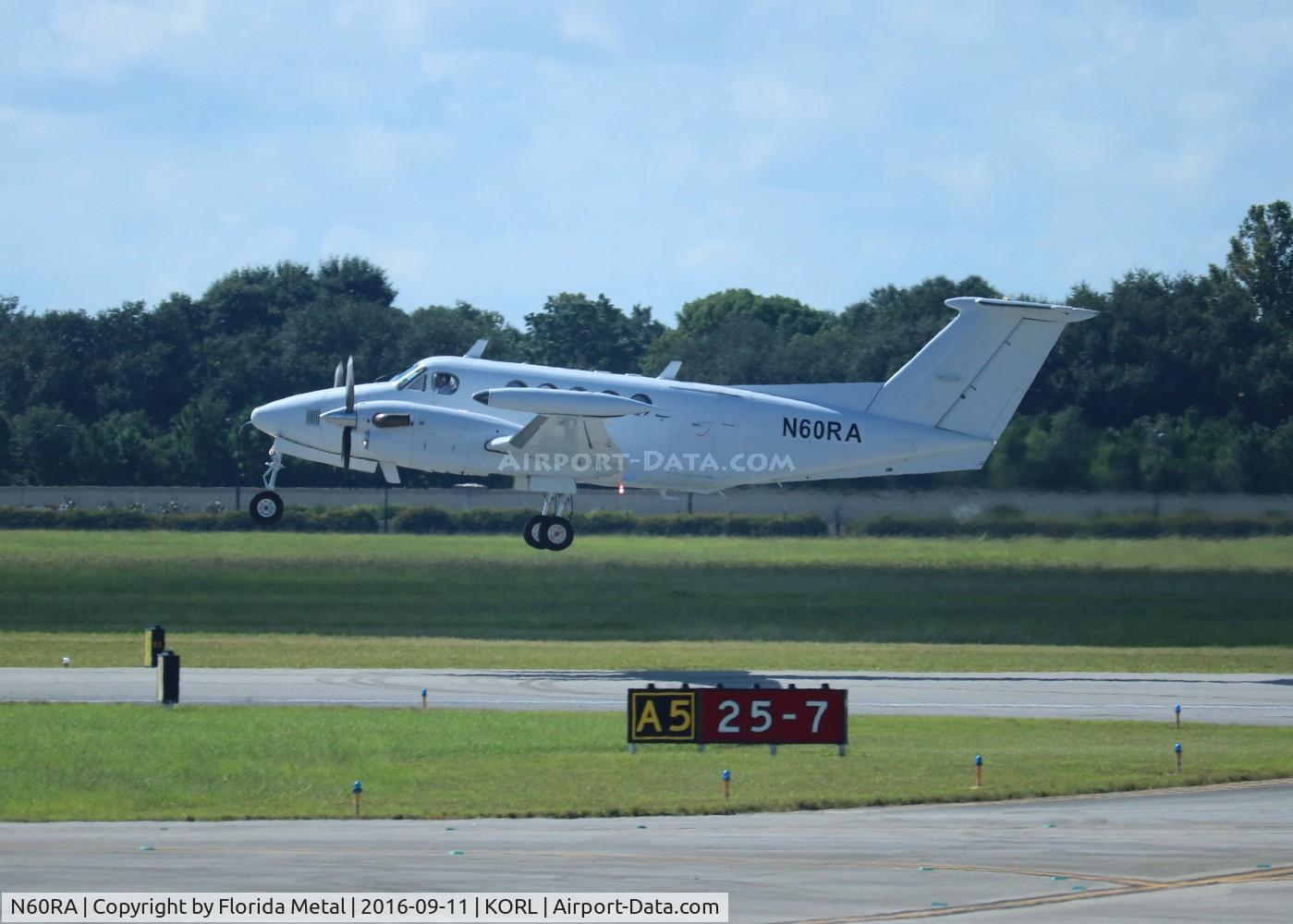
Beechcraft 200 Super King AirRegistration
N60RA
MSN
BT-7
Year of Manufacture
1979
Operator
Eastern Air ExpressDate
January 27, 2017 at 05:50 PM
Type
CRASHFlight Type
Positioning
Flight Phase
Landing (descent or approach)
Crash Site
Airport (less than 10 km from airport)
Crash Location
West Palm Beach Florida
Region
North America • United States of America
Coordinates
26.7154°, -80.0533°
Crash Cause
Human factor
Narrative Report
On January 27, 2017 at 05:50 PM, Treasure Cay - West Palm Beach experienced a crash involving Beechcraft 200 Super King Air, operated by Eastern Air Express, with the event recorded near West Palm Beach Florida.
The flight was categorized as positioning and the reported phase was landing (descent or approach) at a airport (less than 10 km from airport) crash site.
2 people were known to be on board, 0 fatalities were recorded, 2 survivors were identified or estimated. This corresponds to an estimated fatality rate of 0.0%.
Crew on board: 2, crew fatalities: 0, passengers on board: 0, passenger fatalities: 0, other fatalities: 0.
The listed crash cause is human factor. The airline transport pilot reported that, before landing following an uneventful flight, he extended the wing flaps to the approach position and extended the landing gear; the gear indicator lights showed "3 green." After touchdown, he heard noises, and the airplane started to sink. After the airplane came to a stop on the right side of the runway, he noticed that the landing gear handle was up. The pilot stated to the copilot, "How did the gear handle get up?" then placed the handle to the down position and the flight crew exited the airplane. The copilot reported that he was acting as an observer during the flight and that he also saw three green landing gear down-and-locked indicator lights before landing. The airframe sustained substantial damage from contact with the runway. All three landing gear were found in a partially-extended position. Skid marks from all three tires were observed on the runway leading up to the main wreckage. Both propeller assemblies were damaged due to contact with the runway. The pressure vessel was compromised from contact with a propeller blade. The nose landing gear actuator was forced up, into the nose gear well and penetrated the upper nose skin. Examination of the landing gear components did not reveal evidence of a preexisting mechanical malfunction or malfunction. The skid marks leading to the wreckage and the partially-extended gear were inconsistent with the pilot's account that the gear handle was up after the airplane came to rest and was then lowered. The gear handle consisted of an electrical switch that required it to be pulled out of a detent before placing it up or down. There was no mechanical linkage between the gear handle and the landing gear, as the gear were driven by an electric motor. It is likely that the pilot realized that the gear were not extended just before touchdown and then tried to lower the gear, resulting in a touchdown with the gear only partially extended. The pilot reported that he had experienced several interruptions to his sleep the night before the accident. He also reported that he flew 7 legs on the day of the accident for a total of 5.2 hours, only eating a banana for breakfast during this time period. It is likely that the pilot's fatigue contributed to his failure to ensure that the landing gear were down and locked before landing.
Aircraft reference details include registration N60RA, MSN BT-7, year of manufacture 1979.
Geospatial coordinates for this crash are approximately 26.7154°, -80.0533°.
Fatalities
Total
0
Crew
0
Passengers
0
Other
0
Crash Summary
The airline transport pilot reported that, before landing following an uneventful flight, he extended the wing flaps to the approach position and extended the landing gear; the gear indicator lights showed "3 green." After touchdown, he heard noises, and the airplane started to sink. After the airplane came to a stop on the right side of the runway, he noticed that the landing gear handle was up. The pilot stated to the copilot, "How did the gear handle get up?" then placed the handle to the down position and the flight crew exited the airplane. The copilot reported that he was acting as an observer during the flight and that he also saw three green landing gear down-and-locked indicator lights before landing. The airframe sustained substantial damage from contact with the runway. All three landing gear were found in a partially-extended position. Skid marks from all three tires were observed on the runway leading up to the main wreckage. Both propeller assemblies were damaged due to contact with the runway. The pressure vessel was compromised from contact with a propeller blade. The nose landing gear actuator was forced up, into the nose gear well and penetrated the upper nose skin. Examination of the landing gear components did not reveal evidence of a preexisting mechanical malfunction or malfunction. The skid marks leading to the wreckage and the partially-extended gear were inconsistent with the pilot's account that the gear handle was up after the airplane came to rest and was then lowered. The gear handle consisted of an electrical switch that required it to be pulled out of a detent before placing it up or down. There was no mechanical linkage between the gear handle and the landing gear, as the gear were driven by an electric motor. It is likely that the pilot realized that the gear were not extended just before touchdown and then tried to lower the gear, resulting in a touchdown with the gear only partially extended. The pilot reported that he had experienced several interruptions to his sleep the night before the accident. He also reported that he flew 7 legs on the day of the accident for a total of 5.2 hours, only eating a banana for breakfast during this time period. It is likely that the pilot's fatigue contributed to his failure to ensure that the landing gear were down and locked before landing.
Cause: Human factor
Occupants & Outcome
Crew On Board
2
Passengers On Board
0
Estimated Survivors
2
Fatality Rate
0.0%
Known people on board: 2
Operational Details
Schedule / Flight
Treasure Cay - West Palm Beach
Operator
Eastern Air ExpressFlight Type
Positioning
Flight Phase
Landing (descent or approach)
Crash Site
Airport (less than 10 km from airport)
Region / Country
North America • United States of America
Aircraft Details
Similar Plane Crashes
United States Signal Corps - USSC
De Havilland DH.4
The single engine airplane departed Dayton-McCook Field for a local test flight. Shortly after takeoff, the aircraft stalled and crashed, killing both occupants. Crew: Maj Oscar Brindley, Lt Col Henry Damm.
United States Signal Corps - USSC
De Havilland DH.4
Lt. Frank Stuart Patterson, son and nephew of the co-founders of National Cash Register, is killed in the crash of his DH.4M, AS-32098, at Wilbur Wright Field during a flight test of a new mechanism for synchronizing machine gun and propeller, when a tie rod breaks during a dive from 15,000 feet (4,600 m), causing the wings to separate from the aircraft. Wishing to recognize the contributions of the Patterson family (owners of NCR) the area of Wright Field east of Huffman Dam (including Wilbur Wright Field, Fairfield Air Depot, and the Huffman Prairie) is renamed Patterson Field on 6 July 1931, in honor of Lt. Patterson.
United States Signal Corps - USSC
De Havilland DH.4
The aircraft crashed in unknown circumstances.
United States Signal Corps - USSC
De Havilland DH.4
The crew was completing a training mission. At an altitude of about 4,000 feet, the aircraft entered a spin and crashed in an open field near Everman-Barron Field Airport. A crew was killed and the second occupants was injured. The aircraft was destroyed.
U.S. Air Mail Service
De Havilland DH.4
Crashed following an engine failure. Pilot fate unknown.
United States Signal Corps - USSC
De Havilland DH.4
The accident occurred in unknown circumstances.