
San Jose – Pueblo
Flight / Schedule
San Jose – Pueblo
Aircraft
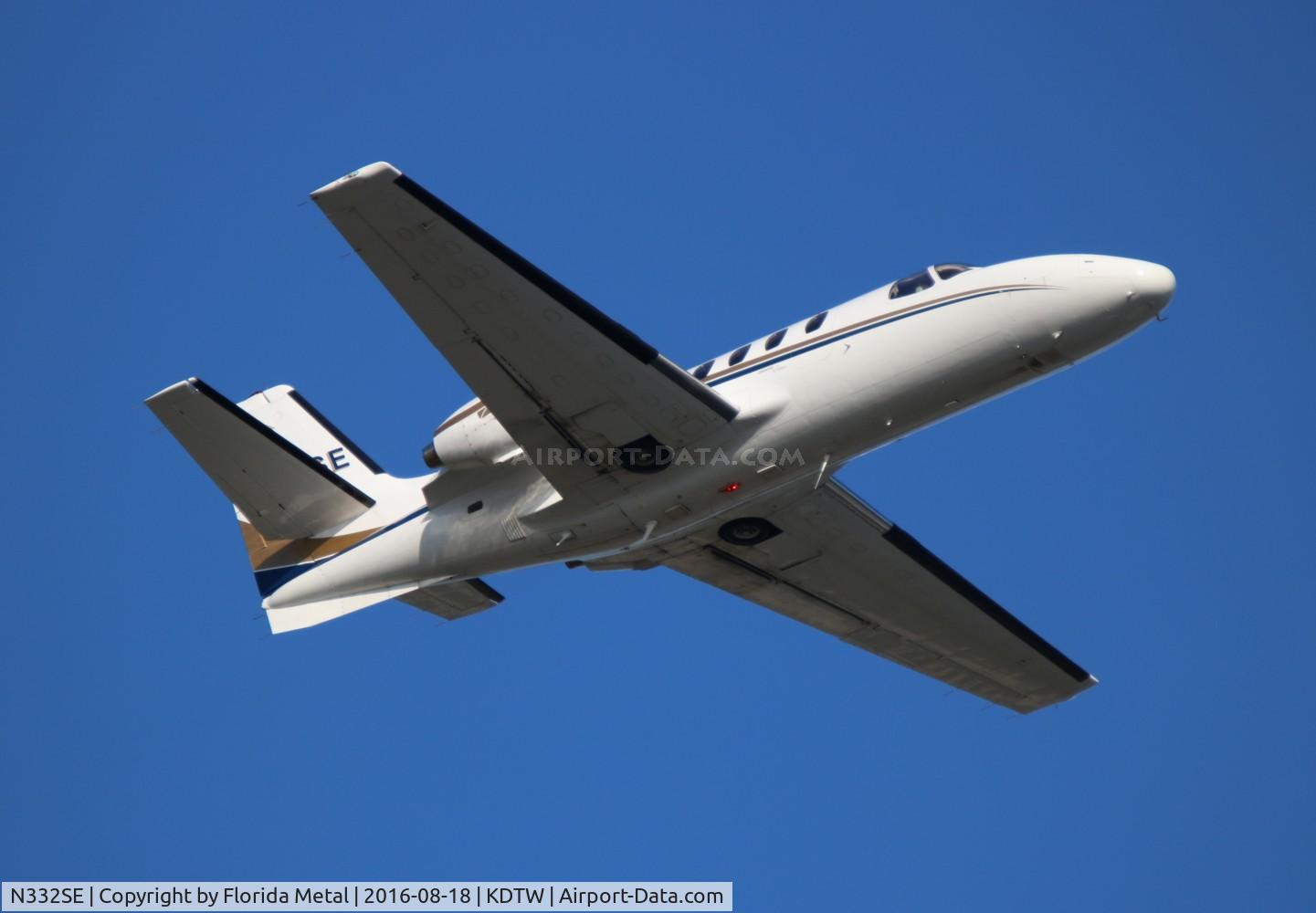
Cessna 500 CitationRegistration
N332SE
MSN
500-0332
Year of Manufacture
1975
Operator
Yatish AirDate
December 4, 2016 at 06:53 PM
Type
CRASHFlight Type
Private
Flight Phase
Landing (descent or approach)
Crash Site
Airport (less than 10 km from airport)
Crash Location
Gunnison-Crested Butte Colorado
Region
North America • United States of America
Coordinates
38.8685°, -106.9812°
Crash Cause
Human factor
Narrative Report
On December 4, 2016 at 06:53 PM, San Jose – Pueblo experienced a crash involving Cessna 500 Citation, operated by Yatish Air, with the event recorded near Gunnison-Crested Butte Colorado.
The flight was categorized as private and the reported phase was landing (descent or approach) at a airport (less than 10 km from airport) crash site.
1 people were known to be on board, 0 fatalities were recorded, 1 survivors were identified or estimated. This corresponds to an estimated fatality rate of 0.0%.
Crew on board: 1, crew fatalities: 0, passengers on board: 0, passenger fatalities: 0, other fatalities: 0.
The listed crash cause is human factor. The commercial pilot of the jet reported that he initially requested that 100 lbs of fuel be added to both fuel tanks. During the subsequent preflight inspection, the pilot decided that more fuel was needed, so he requested that the airplane's fuel tanks be topped off with fuel. However, he did not confirm the fuel levels or check the fuel gauges before takeoff. He departed on the flight and did not check the fuel gauges until about 1 hour after takeoff. He stated that, at that time, the fuel gauges were showing about 900-1,000 lbs of fuel per side, and he realized that the fuel tanks had not been topped off as requested. He reduced engine power to conserve fuel and to increase the airplane's flight endurance while he continued to his destination. When the fuel gauges showed about 400-500 lbs of fuel per side, the low fuel lights for both wing fuel tanks illuminated. The pilot reported to air traffic control that the airplane was low on fuel and diverted the flight to the nearest airport. The pilot reported that the airplane was high and fast on the visual approach for landing. He misjudged the height above the ground and later stated that the airplane "landed very hard." The airplane's left main landing gear and nose gear collapsed and the airplane veered off the runway, resulting in substantial damage to the left wing. The pilot reported no preaccident mechanical malfunctions or failures with the airplane that would have precluded normal operation.
Aircraft reference details include registration N332SE, MSN 500-0332, year of manufacture 1975.
Geospatial coordinates for this crash are approximately 38.8685°, -106.9812°.
Fatalities
Total
0
Crew
0
Passengers
0
Other
0
Crash Summary
The commercial pilot of the jet reported that he initially requested that 100 lbs of fuel be added to both fuel tanks. During the subsequent preflight inspection, the pilot decided that more fuel was needed, so he requested that the airplane's fuel tanks be topped off with fuel. However, he did not confirm the fuel levels or check the fuel gauges before takeoff. He departed on the flight and did not check the fuel gauges until about 1 hour after takeoff. He stated that, at that time, the fuel gauges were showing about 900-1,000 lbs of fuel per side, and he realized that the fuel tanks had not been topped off as requested. He reduced engine power to conserve fuel and to increase the airplane's flight endurance while he continued to his destination. When the fuel gauges showed about 400-500 lbs of fuel per side, the low fuel lights for both wing fuel tanks illuminated. The pilot reported to air traffic control that the airplane was low on fuel and diverted the flight to the nearest airport. The pilot reported that the airplane was high and fast on the visual approach for landing. He misjudged the height above the ground and later stated that the airplane "landed very hard." The airplane's left main landing gear and nose gear collapsed and the airplane veered off the runway, resulting in substantial damage to the left wing. The pilot reported no preaccident mechanical malfunctions or failures with the airplane that would have precluded normal operation.
Cause: Human factor
Occupants & Outcome
Crew On Board
1
Passengers On Board
0
Estimated Survivors
1
Fatality Rate
0.0%
Known people on board: 1
Operational Details
Schedule / Flight
San Jose – Pueblo
Operator
Yatish AirFlight Type
Private
Flight Phase
Landing (descent or approach)
Crash Site
Airport (less than 10 km from airport)
Region / Country
North America • United States of America
Aircraft Details
Similar Plane Crashes
United States Signal Corps - USSC
De Havilland DH.4
The single engine airplane departed Dayton-McCook Field for a local test flight. Shortly after takeoff, the aircraft stalled and crashed, killing both occupants. Crew: Maj Oscar Brindley, Lt Col Henry Damm.
United States Signal Corps - USSC
De Havilland DH.4
Lt. Frank Stuart Patterson, son and nephew of the co-founders of National Cash Register, is killed in the crash of his DH.4M, AS-32098, at Wilbur Wright Field during a flight test of a new mechanism for synchronizing machine gun and propeller, when a tie rod breaks during a dive from 15,000 feet (4,600 m), causing the wings to separate from the aircraft. Wishing to recognize the contributions of the Patterson family (owners of NCR) the area of Wright Field east of Huffman Dam (including Wilbur Wright Field, Fairfield Air Depot, and the Huffman Prairie) is renamed Patterson Field on 6 July 1931, in honor of Lt. Patterson.
United States Signal Corps - USSC
De Havilland DH.4
The aircraft crashed in unknown circumstances.
United States Signal Corps - USSC
De Havilland DH.4
The crew was completing a training mission. At an altitude of about 4,000 feet, the aircraft entered a spin and crashed in an open field near Everman-Barron Field Airport. A crew was killed and the second occupants was injured. The aircraft was destroyed.
U.S. Air Mail Service
De Havilland DH.4
Crashed following an engine failure. Pilot fate unknown.
United States Signal Corps - USSC
De Havilland DH.4
The accident occurred in unknown circumstances.