
CSQ405
Flight / Schedule
CSQ405
Aircraft
Swearingen SA227 Metro IIIRegistration
N831BC
MSN
AC-654B
Year of Manufacture
1986
Operator
IBC AirwaysDate
December 2, 2013 at 08:10 PM
Type
CRASHFlight Type
Cargo
Flight Phase
Flight
Crash Site
Mountains
Crash Location
La Alianza All Puerto Rico
Region
Central America • Puerto Rico
Crash Cause
Human factor
Narrative Report
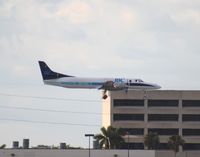
On December 2, 2013 at 08:10 PM, CSQ405 experienced a crash involving Swearingen SA227 Metro III, operated by IBC Airways, with the event recorded near La Alianza All Puerto Rico.
The flight was categorized as cargo and the reported phase was flight at a mountains crash site.
2 people were known to be on board, 2 fatalities were recorded, 0 survivors were identified or estimated. This corresponds to an estimated fatality rate of 100.0%.
Crew on board: 2, crew fatalities: 2, passengers on board: 0, passenger fatalities: 0, other fatalities: 0.
The listed crash cause is human factor. The captain and first officer were conducting an international cargo flight in the twin-engine turboprop airplane. After about 40 minutes of flight during night visual meteorological conditions, an air traffic controller cleared the airplane for a descent to 7,000 ft and then another controller further cleared the airplane for a descent to 3,000 ft and told the flight crew to expect an ILS (instrument landing system) approach. During the descent, about 7,300 ft and about 290 kts, the airplane entered a shallow left turn, followed by a 45-degree right turn and a rapid, uncontrolled descent, during which the airplane broke up about 1,500 ft over uneven terrain. The moderately loaded cargo airplane was not equipped with a flight data recorder or cockpit voice recorder (CVR) (although it previously had a CVR in its passenger configuration) nor was it required by Federal Aviation Administration (FAA) regulations. There were also no avionics on board with downloadable or nonvolatile memory. As a result, there was limited information available to determine what led to the uncontrolled descent or what occurred as the flight crew attempted to regain control of the airplane. Also, although the first officer was identified in FAA-recorded radio transmissions several minutes before the loss of control and it was company policy that the pilot not flying make those transmissions, it could not be determined who was at the controls when either the loss of control occurred or when the airplane broke up. There was no evidence of any in-flight mechanical failures that would have resulted in the loss of control, and the airplane was loaded within limits. Evidence of all flight control surfaces was confirmed, and, to the extent possible, flight control continuity was also confirmed. Evidence also indicated that both engines were operating at the time of the accident, and, although one of the four propeller blades from the right propeller was not located after separating from the fractured hub, there was no evidence of any preexisting propeller anomalies. The electrically controlled pitch trim actuator did not exhibit any evidence of runaway pitch, and measurements of the actuator rods indicated that the airplane was trimmed slightly nose low, consistent for the phase of flight. Due to the separation of the wings and tail, the in-flight positions of the manually operated aileron and rudder trim wheels could not be determined. Other similarly documented accidents and incidents generally involved unequal fuel burns, which resulted in wing drops or airplane rolls. In one case, the flight crew intentionally induced an excessive slide slip to balance fuel between the wings, which resulted in an uncontrolled roll. However, in the current investigation, the fuel cross feed valve was found in the closed position, indicating that a fuel imbalance was likely not a concern of the flight crew. In at least two other events, unequal fuel loads also involved autopilots that reached their maximum hold limits, snapped off, and rolled the airplane. Although the airplane in this accident did not have an autopilot, historical examples indicate that a sudden yawing or rolling motion, regardless of the source, could result in a roll, nose tuck, and loss of control. The roll may have been recoverable, and in one documented case, a pilot was able to recover the airplane, but after it lost almost 11,000 ft of altitude. During this accident flight, it was likely that, during the descent, the flight crew did regain control of the airplane to the extent that the flight control surfaces were effective. With darkness and the rapid descent at a relatively low altitude, one or both crewmembers likely pulled hard on the yoke to arrest the downward trajectory, and, in doing so, placed the wings broadside against the force of the relative wind, which resulted in both wings failing upward. As the wings failed, the propellers simultaneously chopped through the fuselage behind the cockpit. At the same time, the horizontal stabilizers were also positioned broadside against the relative wind, and they also failed upward. Evidence also revealed that, at some point, the flight crew lowered the landing gear. Although it could not be determined when they lowered the gear, it could have been in an attempt to slow or regain control of the airplane during the descent. Although reasons for the loss of control could not be definitively determined, the lack of any preexisting mechanical anomalies indicates a likelihood of flight crew involvement. Then, during the recovery attempt, the flight crew's actions, while operating under the difficult circumstances of darkness and rapidly decreasing altitude, resulted in the overstress of the airplane.
Aircraft reference details include registration N831BC, MSN AC-654B, year of manufacture 1986.
Fatalities
Total
2
Crew
2
Passengers
0
Other
0
Crash Summary
The captain and first officer were conducting an international cargo flight in the twin-engine turboprop airplane. After about 40 minutes of flight during night visual meteorological conditions, an air traffic controller cleared the airplane for a descent to 7,000 ft and then another controller further cleared the airplane for a descent to 3,000 ft and told the flight crew to expect an ILS (instrument landing system) approach. During the descent, about 7,300 ft and about 290 kts, the airplane entered a shallow left turn, followed by a 45-degree right turn and a rapid, uncontrolled descent, during which the airplane broke up about 1,500 ft over uneven terrain. The moderately loaded cargo airplane was not equipped with a flight data recorder or cockpit voice recorder (CVR) (although it previously had a CVR in its passenger configuration) nor was it required by Federal Aviation Administration (FAA) regulations. There were also no avionics on board with downloadable or nonvolatile memory. As a result, there was limited information available to determine what led to the uncontrolled descent or what occurred as the flight crew attempted to regain control of the airplane. Also, although the first officer was identified in FAA-recorded radio transmissions several minutes before the loss of control and it was company policy that the pilot not flying make those transmissions, it could not be determined who was at the controls when either the loss of control occurred or when the airplane broke up. There was no evidence of any in-flight mechanical failures that would have resulted in the loss of control, and the airplane was loaded within limits. Evidence of all flight control surfaces was confirmed, and, to the extent possible, flight control continuity was also confirmed. Evidence also indicated that both engines were operating at the time of the accident, and, although one of the four propeller blades from the right propeller was not located after separating from the fractured hub, there was no evidence of any preexisting propeller anomalies. The electrically controlled pitch trim actuator did not exhibit any evidence of runaway pitch, and measurements of the actuator rods indicated that the airplane was trimmed slightly nose low, consistent for the phase of flight. Due to the separation of the wings and tail, the in-flight positions of the manually operated aileron and rudder trim wheels could not be determined. Other similarly documented accidents and incidents generally involved unequal fuel burns, which resulted in wing drops or airplane rolls. In one case, the flight crew intentionally induced an excessive slide slip to balance fuel between the wings, which resulted in an uncontrolled roll. However, in the current investigation, the fuel cross feed valve was found in the closed position, indicating that a fuel imbalance was likely not a concern of the flight crew. In at least two other events, unequal fuel loads also involved autopilots that reached their maximum hold limits, snapped off, and rolled the airplane. Although the airplane in this accident did not have an autopilot, historical examples indicate that a sudden yawing or rolling motion, regardless of the source, could result in a roll, nose tuck, and loss of control. The roll may have been recoverable, and in one documented case, a pilot was able to recover the airplane, but after it lost almost 11,000 ft of altitude. During this accident flight, it was likely that, during the descent, the flight crew did regain control of the airplane to the extent that the flight control surfaces were effective. With darkness and the rapid descent at a relatively low altitude, one or both crewmembers likely pulled hard on the yoke to arrest the downward trajectory, and, in doing so, placed the wings broadside against the force of the relative wind, which resulted in both wings failing upward. As the wings failed, the propellers simultaneously chopped through the fuselage behind the cockpit. At the same time, the horizontal stabilizers were also positioned broadside against the relative wind, and they also failed upward. Evidence also revealed that, at some point, the flight crew lowered the landing gear. Although it could not be determined when they lowered the gear, it could have been in an attempt to slow or regain control of the airplane during the descent. Although reasons for the loss of control could not be definitively determined, the lack of any preexisting mechanical anomalies indicates a likelihood of flight crew involvement. Then, during the recovery attempt, the flight crew's actions, while operating under the difficult circumstances of darkness and rapidly decreasing altitude, resulted in the overstress of the airplane.
Cause: Human factor
Occupants & Outcome
Crew On Board
2
Passengers On Board
0
Estimated Survivors
0
Fatality Rate
100.0%
Known people on board: 2
Operational Details
Schedule / Flight
CSQ405
Operator
IBC AirwaysFlight Type
Cargo
Flight Phase
Flight
Crash Site
Mountains
Region / Country
Central America • Puerto Rico
Aircraft Details
Similar Plane Crashes
Pan American World Airways - PAA
Loening C-W Air Yacht
While taking off from the bay in Puerto Rico, the seaplane hit an embankment and came to rest. Both crew members were rescued and the aircraft sank.
Pan American World Airways - PAA
Sikorsky S-38
Upon landing off San Juan, the floatplane collided with an undetermined floating object and was damaged beyond repair. All nine occupants were rescued.
United States Army Air Corps - USAAC
Sikorsky S-43
Crashed into the sea shortly after take off following an engine failure. Crew fate unknown.
Pan American World Airways - PAA
Sikorsky S-42
Following an uneventful flight, the crew completed the approach to the San Juan harbor in good weather conditions. Upon landing on water in a nose down attitude, the seaplane plunged into the water and came to rest. Two passengers were killed while all 25 other occupants were rescued. Crew: Charles A. Lorber, pilot, Harvey E. Breaux, copilot, John Donovan Donnelley, flight engineer, W. P. Mahoney, radio navigator, Joe Catala, steward, A. E. Calligari, steward. Source & photos: http://www.webstart.com/jed/house/NC15376/
United States Army Air Forces - USAAF
Consolidated B-24 Liberator
After touchdown at Borinquen Airport, the aircraft went out off control, veered off runway and came to rest in flames into an airport building. The crew fate remains unknown.
United States Army Air Forces - USAAF
Douglas C-39 (DC-2)
While flying in a valley in poor weather conditions, the aircraft hit a mountain shrouded in clouds. All 22 occupants were killed, among them three civilians. According to USAF, the aircraft hit the mountain slope sixty metres from the summit and the cloud base was around 1,200 metres. The twin engine aircraft was following a 150° heading and was flying at a cruising speed at the time of the accident. Crew: Francis H. Durant, pilot, 4.