
Dubai - Mangalore
Flight / Schedule
Dubai - Mangalore
Aircraft
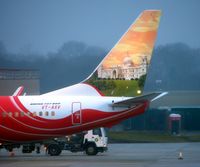
Boeing 737-800Registration
VT-AXV
MSN
36333/2481
Year of Manufacture
2007
Operator
Air India ExpressDate
May 22, 2010 at 06:05 AM
Type
CRASHFlight Type
Scheduled Revenue Flight
Flight Phase
Landing (descent or approach)
Crash Site
Airport (less than 10 km from airport)
Crash Location
Mangalore-Bajpe Karnataka
Region
Asia • India
Coordinates
12.9546°, 74.8847°
Crash Cause
Human factor
Narrative Report
On May 22, 2010 at 06:05 AM, Dubai - Mangalore experienced a crash involving Boeing 737-800, operated by Air India Express, with the event recorded near Mangalore-Bajpe Karnataka.
The flight was categorized as scheduled revenue flight and the reported phase was landing (descent or approach) at a airport (less than 10 km from airport) crash site.
166 people were known to be on board, 158 fatalities were recorded, 8 survivors were identified or estimated. This corresponds to an estimated fatality rate of 95.2%.
Crew on board: 6, crew fatalities: 6, passengers on board: 160, passenger fatalities: 152, other fatalities: 0.
The listed crash cause is human factor. Air India Express flight IX-811/812 is a daily round trip between Mangalore and Dubai. The outbound flight IX-811 was uneventful and landed at Dubai at 23:44 hours Local Time. The airplane was serviced and refuelled. The same flight crew operated the return leg, flight IX-812. The airplane taxied out for departure at 01:06 LT (02:36 IST). The takeoff, climb and cruise were uneventful. There was no conversation between the two pilots for about 1 hour and 40 minutes because the captain was asleep. The First Officer was making all the radio calls. The aircraft reported position at IGAMA at 05:33 hours IST and the First Officer was told to expect an ILS DME Arc approach to Mangalore. At about 130 miles from Mangalore, the First Officer requested descent clearance. This was, however, denied by the ATC Controller, who was using standard procedural control, to ensure safe separation with other air traffic. At 05:46 IST, the flight reported its position when it was at 80 DME as instructed by Mangalore Area Control. The aircraft was cleared to 7000 ft and commenced descent at 77 DME from Mangalore at 05:47 IST. The visibility reported was 6 km. Mangalore airport has a table top runway. As the AIP India states "Aerodrome located on hilltop. Valleys 200ft to 250ft immediately beyond paved surface of Runway." Owing to the surrounding terrain, Air India Express had made a special qualification requirement that only the PIC shall carry out the take off and landing. The captain on the accident flight had made a total of 16 landings in the past at this airport and the First Officer had operated as a Co-pilot on 66 flights at this airport. While the aircraft had commenced descent, there was no recorded conversation regarding the mandatory preparation for descent and landing briefing as stipulated in the SOP. After the aircraft was at about 50 miles and descending out of FL295, the conversation between the two pilots indicated that an incomplete approach briefing had been carried out. At about 25 nm from DME and descending through FL184, the Mangalore Area Controller cleared the aircraft to continue descent to 2900 ft. At this stage, the First Officer requested, if they could proceed directly to Radial 338 and join the 10 DME Arc. Throughout the descent profile and DME Arc Approach for ILS 24, the aircraft was much higher than normally expected altitudes. The aircraft was handed over by the Mangalore Area Controller to ATC Tower at 05:52 IST. The Tower controller, thereafter, asked the aircraft to report having established on 10 DME Arc for ILS Runway 24. Considering that this flight was operating in WOCL (Window Of Circadian Low), by this time the First Officer had also shown signs of tiredness. This was indicated by the sounds of yawning heard on the CVR. On having reported 10 DME Arc, the ATC Tower had asked aircraft to report when established on ILS. It appears that the captain had realized that the aircraft altitude was higher than normal and had selected Landing Gear 'DOWN' at an altitude of approximately 8,500 ft with speed brakes still deployed in Flight Detent position, so as to increase the rate of descent. As indicated by the DFDR, the aircraft continued to be high and did not follow the standard procedure of intercepting the ILS Glide Path at the correct intercept altitude. This incorrect procedure led to the aircraft being at almost twice the altitude as compared to a Standard ILS Approach. During approach, the CVR indicated that the captain had selected Flaps 40 degrees and completed the Landing Check List. At 06:03 hours IST at about 2.5 DME, the Radio Altimeter had alerted an altitude of 2500 ft. This was immediately followed by the First Officer saying "It is too high" and "Runway straight down". In reply, the captain had exclaimed "Oh my god". At this moment, the captain had disconnected the Auto Pilot and simultaneously increased the rate of descent considerably to establish on the desired approach path. At this stage, the First Officer had queried "Go around?" To this query from the First Officer, the captain had called out "Wrong loc .. ... localiser .. ... glide path". The First Officer had given a second call to the captain for "Go around" followed by "Unstabilized". However, the First Officer did not appear to take any action, to initiate a Go Around. Having acquired the runway visually and to execute a landing, it appears that the captain had increased the rate of descent to almost 4000 ft per minute. Due to this, there were numerous warnings from EGPWS for 'SINK RATE' and 'PULL UP'. On their own, the pilots did not report having established on ILS Approach. Instead, the ATC Tower had queried the same. To this call, the captain had forcefully prompted the First Officer to give a call of "Affirmative". The Tower controller gave landing clearance thereafter and also indicated "Winds calm". The aircraft was high on approach and touched down on the runway, much farther than normal. The aircraft had crossed the threshold at about 200 ft altitude with indicated speed in excess of 160 kt, as compared to 50 ft with target speed of 144 kt for the landing weight. Despite the EGPWS warnings and calls from the First Officer to go around, the captain had persisted with the approach in unstabilized conditions. Short of touchdown, there was yet another (Third) call from the First Officer, "Go around captain...We don't have runway left". However, the captain had continued with the landing and the final touchdown was about 5200 ft from the threshold of runway 24, leaving approximately 2800 ft of remaining paved surface. The captain had selected Thrust Reversers soon after touchdown. Within 6 seconds of applying brakes, the captain had initiated a 'Go Around', in contravention of Boeing SOP. The aircraft overshot the runway including the strip of 60 metres. After overshooting the runway and strip, the aircraft continued into the Runway End Safety Area (RESA) of 90 metres. Soon after which the right wing impacted the localiser antenna structure located further at 85 metres from the end of RESA. Thereafter, the aircraft hit the boundary fence and fell into a gorge.
Aircraft reference details include registration VT-AXV, MSN 36333/2481, year of manufacture 2007.
Geospatial coordinates for this crash are approximately 12.9546°, 74.8847°.
Fatalities
Total
158
Crew
6
Passengers
152
Other
0
Crash Summary
Air India Express flight IX-811/812 is a daily round trip between Mangalore and Dubai. The outbound flight IX-811 was uneventful and landed at Dubai at 23:44 hours Local Time. The airplane was serviced and refuelled. The same flight crew operated the return leg, flight IX-812. The airplane taxied out for departure at 01:06 LT (02:36 IST). The takeoff, climb and cruise were uneventful. There was no conversation between the two pilots for about 1 hour and 40 minutes because the captain was asleep. The First Officer was making all the radio calls. The aircraft reported position at IGAMA at 05:33 hours IST and the First Officer was told to expect an ILS DME Arc approach to Mangalore. At about 130 miles from Mangalore, the First Officer requested descent clearance. This was, however, denied by the ATC Controller, who was using standard procedural control, to ensure safe separation with other air traffic. At 05:46 IST, the flight reported its position when it was at 80 DME as instructed by Mangalore Area Control. The aircraft was cleared to 7000 ft and commenced descent at 77 DME from Mangalore at 05:47 IST. The visibility reported was 6 km. Mangalore airport has a table top runway. As the AIP India states "Aerodrome located on hilltop. Valleys 200ft to 250ft immediately beyond paved surface of Runway." Owing to the surrounding terrain, Air India Express had made a special qualification requirement that only the PIC shall carry out the take off and landing. The captain on the accident flight had made a total of 16 landings in the past at this airport and the First Officer had operated as a Co-pilot on 66 flights at this airport. While the aircraft had commenced descent, there was no recorded conversation regarding the mandatory preparation for descent and landing briefing as stipulated in the SOP. After the aircraft was at about 50 miles and descending out of FL295, the conversation between the two pilots indicated that an incomplete approach briefing had been carried out. At about 25 nm from DME and descending through FL184, the Mangalore Area Controller cleared the aircraft to continue descent to 2900 ft. At this stage, the First Officer requested, if they could proceed directly to Radial 338 and join the 10 DME Arc. Throughout the descent profile and DME Arc Approach for ILS 24, the aircraft was much higher than normally expected altitudes. The aircraft was handed over by the Mangalore Area Controller to ATC Tower at 05:52 IST. The Tower controller, thereafter, asked the aircraft to report having established on 10 DME Arc for ILS Runway 24. Considering that this flight was operating in WOCL (Window Of Circadian Low), by this time the First Officer had also shown signs of tiredness. This was indicated by the sounds of yawning heard on the CVR. On having reported 10 DME Arc, the ATC Tower had asked aircraft to report when established on ILS. It appears that the captain had realized that the aircraft altitude was higher than normal and had selected Landing Gear 'DOWN' at an altitude of approximately 8,500 ft with speed brakes still deployed in Flight Detent position, so as to increase the rate of descent. As indicated by the DFDR, the aircraft continued to be high and did not follow the standard procedure of intercepting the ILS Glide Path at the correct intercept altitude. This incorrect procedure led to the aircraft being at almost twice the altitude as compared to a Standard ILS Approach. During approach, the CVR indicated that the captain had selected Flaps 40 degrees and completed the Landing Check List. At 06:03 hours IST at about 2.5 DME, the Radio Altimeter had alerted an altitude of 2500 ft. This was immediately followed by the First Officer saying "It is too high" and "Runway straight down". In reply, the captain had exclaimed "Oh my god". At this moment, the captain had disconnected the Auto Pilot and simultaneously increased the rate of descent considerably to establish on the desired approach path. At this stage, the First Officer had queried "Go around?" To this query from the First Officer, the captain had called out "Wrong loc .. ... localiser .. ... glide path". The First Officer had given a second call to the captain for "Go around" followed by "Unstabilized". However, the First Officer did not appear to take any action, to initiate a Go Around. Having acquired the runway visually and to execute a landing, it appears that the captain had increased the rate of descent to almost 4000 ft per minute. Due to this, there were numerous warnings from EGPWS for 'SINK RATE' and 'PULL UP'. On their own, the pilots did not report having established on ILS Approach. Instead, the ATC Tower had queried the same. To this call, the captain had forcefully prompted the First Officer to give a call of "Affirmative". The Tower controller gave landing clearance thereafter and also indicated "Winds calm". The aircraft was high on approach and touched down on the runway, much farther than normal. The aircraft had crossed the threshold at about 200 ft altitude with indicated speed in excess of 160 kt, as compared to 50 ft with target speed of 144 kt for the landing weight. Despite the EGPWS warnings and calls from the First Officer to go around, the captain had persisted with the approach in unstabilized conditions. Short of touchdown, there was yet another (Third) call from the First Officer, "Go around captain...We don't have runway left". However, the captain had continued with the landing and the final touchdown was about 5200 ft from the threshold of runway 24, leaving approximately 2800 ft of remaining paved surface. The captain had selected Thrust Reversers soon after touchdown. Within 6 seconds of applying brakes, the captain had initiated a 'Go Around', in contravention of Boeing SOP. The aircraft overshot the runway including the strip of 60 metres. After overshooting the runway and strip, the aircraft continued into the Runway End Safety Area (RESA) of 90 metres. Soon after which the right wing impacted the localiser antenna structure located further at 85 metres from the end of RESA. Thereafter, the aircraft hit the boundary fence and fell into a gorge.
Cause: Human factor
Occupants & Outcome
Crew On Board
6
Passengers On Board
160
Estimated Survivors
8
Fatality Rate
95.2%
Known people on board: 166
Operational Details
Schedule / Flight
Dubai - Mangalore
Operator
Air India ExpressFlight Type
Scheduled Revenue Flight
Flight Phase
Landing (descent or approach)
Crash Site
Airport (less than 10 km from airport)
Region / Country
Asia • India
Aircraft Details
Similar Plane Crashes
Wilfred Theodore Blake
Fairey III
The British Major Wilfred Theodore Blake was trying to complete one of the first World Tour. Last May, he crashed with his DH.9 in Marseille but continued with this Fairey IIIC. The airplane departed the east coast of India bound to Chittagong. While cruising off the West Bengal State, the aircraft crashed in unknown circumstances in the sea off Sagar. All three occupants were rescued and the aircraft was lost. Crew: Norman MacMillan, pilot, Wilfred Theodore Blake, copilot and navigator, Colonel L. E. Broome, photographer.
Brito Pais
Breguet 14
Both Portuguese aviators Brito Pais and Sarmento Beires departed Portugal (Vila Nova de Milfontes) on a flight to Macau with intermediate stops in Tunis, Cairo, Bushehr and Karachi. While flying over Rajasthan, the crew encountered engine problems and was forced to attempt an emergency landing. The aircraft crash landed and was damaged beyond repair. Both pilots escaped uninjured and continued their trip with a De Havilland DH.9.
Thomas Neville Stack
De Havilland DH.60 Moth
The aircraft was owned by Thomas Neville Stack but piloted this day by W. H. Vetch for a demo flight at Shillong. After performing several manoeuvres, the pilot started an approach but was too low when the aircraft hit power cables and crashed into the public. The pilot and four other people were injured and the aircraft was destroyed.
Dennis M. M. Rooke
De Havilland DH.60 Moth
Dennis M. M. Rooke, pilot and owner of this aircraft named 'Marjorie', was performing a flight from England to Australia. Shortly after takeoff from Aurangabad, en route to Darwin, the aircraft hit a palm tree and crashed. The pilot was injured and the aircraft was destroyed.
Van Lear Black
Fokker F7
The aircraft named 'Maryland Free State' departed London on a trip to Tokyo, carrying three passengers and two crew members. Upon landing at Calcutta-Dum Dum Airport, the airplane went out of control and crashed. All five occupants evacuated safely while the aircraft was damaged beyond repair. Owner of the aircraft, the American businessman Van Lear Black (also owner of the US newspaper Baltimore Sun) returned to UK by train and ordered a new aircraft to complete his trip from London to Tokyo.
George Valentin Bibescu
Ford 5
En route, the three engine airplane collided with a vulture, forcing the crew to attempt an emergency landing in an open field. While the aircraft was damaged beyond repair, all four occupants evacuated safely. The aircraft was owned by Prince George Valentin Bibescu, President of the Fédération Aéronautique Internationale (FAI).