
Willemstad – Kralendijk
Flight / Schedule
Willemstad – Kralendijk
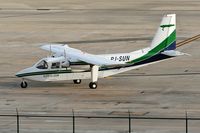
Aircraft
Britten-Norman IslanderRegistration
PJ-SUN
MSN
377
Year of Manufacture
1973
Operator
Divi Divi AirDate
October 22, 2009 at 10:17 AM
Type
CRASHFlight Type
Scheduled Revenue Flight
Flight Phase
Landing (descent or approach)
Crash Site
Lake, Sea, Ocean, River
Crash Location
Kralendijk Dutch Antilles
Region
Central America • Dutch Antilles
Crash Cause
Technical failure
Narrative Report
On October 22, 2009 at 10:17 AM, Willemstad – Kralendijk experienced a crash involving Britten-Norman Islander, operated by Divi Divi Air, with the event recorded near Kralendijk Dutch Antilles.
The flight was categorized as scheduled revenue flight and the reported phase was landing (descent or approach) at a lake, sea, ocean, river crash site.
10 people were known to be on board, 1 fatalities were recorded, 9 survivors were identified or estimated. This corresponds to an estimated fatality rate of 10.0%.
Crew on board: 1, crew fatalities: 1, passengers on board: 9, passenger fatalities: 0, other fatalities: 0.
The listed crash cause is technical failure. On 22 October the pilot concerned got up at 05.00 and drove towards the airport at about 05.30. After preparing the aircraft, with registration PJ-SUN, he piloted two return flights from Curaçao International Airport (hereinafter to be referred to as Hato airport) to Bonaire International Airport (hereinafter to be referred to as Flamingo airport). No problems occurred during these four flights. The departure for the next flight, “DVR014”, was planned at 09.30. The nine passengers booked for this flight, who had already had their luggage weighed, had to wait before they could board because the pilot had ordered the aircraft to be refuelled prior to this flight. The refuelling invoice of flight DVR014 specifies that fuel was taken up between 09.28 and 09.38. The luggage of these passengers and some additional cargo consisting of a few boxes had already been loaded on to the aircraft. The passengers were welcomed by the pilot when they boarded. The pilot informed them they should keep their waist belts fastened during the flight and that the safety cards were located in the seat pockets. From the passenger statements it can be deduced that these instructions were not heard by all of the passengers. The pilot and the passenger seated next to him fastened their waist and shoulder belts. Approximately ten minutes after the estimated time of departure, after having received the required approval from the Hato Tower air traffic control tower (hereinafter to be referred to as Hato Tower) via the on-board radio the engines were started without any problems. The flight manual engine ground checks were not extensively performed because these are part of the first flight of the day engine checks in accordance with the General Operating Manual. Around 09.47 the PJ-SUN took off for a flight with visual flight rules (VFR) to Bonaire. After take-off the aircraft climbed to flight level 035 (FL035). Some of the passengers had flown for some years, several times in a week with Divi Divi Air. From the passenger statements it can be deduced that the pilot brought the aircraft into level flight at FL035 and reduced the power from climb power to cruise power. The passenger next to the pilot stated that engine power ceased the moment that the pilot was adjusting (one of) the levers on the throttle quadrant. Some passengers reported they felt a jolt that moment. Some passengers reported the engine sputtered shortly before it ceased. No sound from which a mechanical problem was heard and no smoke was detected. Passengers stated that the pilot increased the left engine power, feathered the right propeller and trimmed away the forces to the rudder pedals due to the failure of the right engine. They also reported that the pilot attempted to restart the right engine two or three times but to no avail. Around 09.52 the pilot reported to the Hato Tower controller: Divi 014 requesting to switch to Flamingo, priority landing with Flamingo, have lost one of the engines. The controller acknowledged this message. The pilot continued the flight to Bonaire flying with the left engine running and contacted Flamingo Tower air traffic control (hereinafter to be referred to as Flamingo Tower) at 09.57 and reported: 014, Islander inbound from Curaçao, showing, I got one engine out, so we are landing with one engine, no emergency at this stage, I’m maintaining altitude at, 3000 feet, we request priority to landing runway 10, currently 24 miles out, estimating at, 18. The Flamingo Tower controller authorized the approach to runway 10. The air traffic controller requested the pilot to report when he left 3000 feet altitude, which he immediately did. The radar data shows that the PJ-SUN descended approximately 140 feet per minute on average from the moment the engine failed up to the emergency landing. According to the statements of a few of the passengers, the aircraft pitch attitude increased during the descent of the aircraft and it was higher than usual. The indicated airspeed on the airspeed indicator was lower than when flying with two working engines. The pilot did not inform the passengers regarding the failure of the right engine or his intentions. A few passengers were concerned and started to put on the life jackets having retrieved them from under their seats. The passenger next to the pilot could not find his life jacket, while others had some trouble opening the plastic bags of the life jackets. They also agreed on a course of action for leaving the aircraft in case of an emergency landing in the water. At 10.08 the pilot informed the Flamingo Tower that he was approaching and was ten nautical miles away, flying at 1000 feet and expected to land in ten minutes. At 10.12 the pilot reported the distance to be eight nautical miles and that he was having trouble with the altitude which was 600 feet at that moment. The traffic controller authorized the landing. At 10.14 the pilot reported to be six nautical miles away and flying at an altitude of 300 feet. During the last radio contact at 10.15 the pilot indicated to be at five nautical miles distance flying at 200 feet and that he was still losing altitude. The pilot was going to perform an emergency landing near Klein Bonaire. The aircraft subsequently turned a little to the left towards Klein Bonaire. According to a few passengers, the pilot turned around towards them and indicated with hand signals that the aircraft was about to land and he gave a thumbs-up signal to ask whether everyone was ready for the approaching emergency landing. There were life jackets for all people on-board. The pilot, the passenger seated next to him and two passengers seated in the back row did not have their life jackets on. The passengers in rows two through to four had put on their life jackets. One passenger had put on his life jacket back to front. According to the statements of the passengers, the stall warning (loud tone) was activated on and off during this last part of the flight. A short time before the emergency landing until the moment of impact with the water the stall warning was continuously audible. From the statements of the passengers it follows the all cabin doors were closed throughout the descent and the landing. The passenger’ statements differ in describing the last part of the flight until the impact of the aircraft with the water surface. One passenger stated that the aircraft fell down from a low height and impacted the water with a blow. Other passengers mentioned a high or low aircraft pitch attitude during impact. Most of the passengers stated that during impact the left wing was slightly down. The aircraft hit the water at 10.17 at a distance of approximately 0.7 nautical miles from Klein Bonaire and 3.5 nautical miles west of Bonaire. The left front door broke off from the cabin and other parts of the aircraft on impact. The aircraft was lying horizontally in the water. The height of the waves was estimated 0.5 meter by one of the passengers. The cabin soon filled with water because the left front door had broken off and the windscreen had shattered. The passenger behind the pilot was trapped, but was able to free herself from this position. All nine passengers were able to leave the aircraft without assistance using the left front door opening and the emergency exits. A few passengers sat for a short time on the wings before the aircraft sank. The passengers formed a circle in the water. The passengers who were not wearing life jackets kept afloat by holding onto the other passengers. One passenger reported that the pilot hit his head on the vertical door/window frame in the cockpit or the instrument panel at impact causing him to lose consciousness and may even have been wounded. The attempts of one or two passengers to free the pilot from his seat were unsuccessful. A few minutes after the accident, the aircraft sank with the pilot still on-board. Approximately five minutes after the emergency landing, two boats with recreational divers who were nearby arrived on the scene. Divers from the first boat tried to localise the sunken aircraft based on indications from the passengers. The people on the other boat took nine passengers out of the water and set course to Kralendijk where they arrived at approximately 10.37. The police and other emergency services personnel were awaiting the passengers on the quay. Six passengers were transported to the hospital where they were discharged after an examination. The other three went their own way.
Aircraft reference details include registration PJ-SUN, MSN 377, year of manufacture 1973.
Fatalities
Total
1
Crew
1
Passengers
0
Other
0
Crash Summary
On 22 October the pilot concerned got up at 05.00 and drove towards the airport at about 05.30. After preparing the aircraft, with registration PJ-SUN, he piloted two return flights from Curaçao International Airport (hereinafter to be referred to as Hato airport) to Bonaire International Airport (hereinafter to be referred to as Flamingo airport). No problems occurred during these four flights. The departure for the next flight, “DVR014”, was planned at 09.30. The nine passengers booked for this flight, who had already had their luggage weighed, had to wait before they could board because the pilot had ordered the aircraft to be refuelled prior to this flight. The refuelling invoice of flight DVR014 specifies that fuel was taken up between 09.28 and 09.38. The luggage of these passengers and some additional cargo consisting of a few boxes had already been loaded on to the aircraft. The passengers were welcomed by the pilot when they boarded. The pilot informed them they should keep their waist belts fastened during the flight and that the safety cards were located in the seat pockets. From the passenger statements it can be deduced that these instructions were not heard by all of the passengers. The pilot and the passenger seated next to him fastened their waist and shoulder belts. Approximately ten minutes after the estimated time of departure, after having received the required approval from the Hato Tower air traffic control tower (hereinafter to be referred to as Hato Tower) via the on-board radio the engines were started without any problems. The flight manual engine ground checks were not extensively performed because these are part of the first flight of the day engine checks in accordance with the General Operating Manual. Around 09.47 the PJ-SUN took off for a flight with visual flight rules (VFR) to Bonaire. After take-off the aircraft climbed to flight level 035 (FL035). Some of the passengers had flown for some years, several times in a week with Divi Divi Air. From the passenger statements it can be deduced that the pilot brought the aircraft into level flight at FL035 and reduced the power from climb power to cruise power. The passenger next to the pilot stated that engine power ceased the moment that the pilot was adjusting (one of) the levers on the throttle quadrant. Some passengers reported they felt a jolt that moment. Some passengers reported the engine sputtered shortly before it ceased. No sound from which a mechanical problem was heard and no smoke was detected. Passengers stated that the pilot increased the left engine power, feathered the right propeller and trimmed away the forces to the rudder pedals due to the failure of the right engine. They also reported that the pilot attempted to restart the right engine two or three times but to no avail. Around 09.52 the pilot reported to the Hato Tower controller: Divi 014 requesting to switch to Flamingo, priority landing with Flamingo, have lost one of the engines. The controller acknowledged this message. The pilot continued the flight to Bonaire flying with the left engine running and contacted Flamingo Tower air traffic control (hereinafter to be referred to as Flamingo Tower) at 09.57 and reported: 014, Islander inbound from Curaçao, showing, I got one engine out, so we are landing with one engine, no emergency at this stage, I’m maintaining altitude at, 3000 feet, we request priority to landing runway 10, currently 24 miles out, estimating at, 18. The Flamingo Tower controller authorized the approach to runway 10. The air traffic controller requested the pilot to report when he left 3000 feet altitude, which he immediately did. The radar data shows that the PJ-SUN descended approximately 140 feet per minute on average from the moment the engine failed up to the emergency landing. According to the statements of a few of the passengers, the aircraft pitch attitude increased during the descent of the aircraft and it was higher than usual. The indicated airspeed on the airspeed indicator was lower than when flying with two working engines. The pilot did not inform the passengers regarding the failure of the right engine or his intentions. A few passengers were concerned and started to put on the life jackets having retrieved them from under their seats. The passenger next to the pilot could not find his life jacket, while others had some trouble opening the plastic bags of the life jackets. They also agreed on a course of action for leaving the aircraft in case of an emergency landing in the water. At 10.08 the pilot informed the Flamingo Tower that he was approaching and was ten nautical miles away, flying at 1000 feet and expected to land in ten minutes. At 10.12 the pilot reported the distance to be eight nautical miles and that he was having trouble with the altitude which was 600 feet at that moment. The traffic controller authorized the landing. At 10.14 the pilot reported to be six nautical miles away and flying at an altitude of 300 feet. During the last radio contact at 10.15 the pilot indicated to be at five nautical miles distance flying at 200 feet and that he was still losing altitude. The pilot was going to perform an emergency landing near Klein Bonaire. The aircraft subsequently turned a little to the left towards Klein Bonaire. According to a few passengers, the pilot turned around towards them and indicated with hand signals that the aircraft was about to land and he gave a thumbs-up signal to ask whether everyone was ready for the approaching emergency landing. There were life jackets for all people on-board. The pilot, the passenger seated next to him and two passengers seated in the back row did not have their life jackets on. The passengers in rows two through to four had put on their life jackets. One passenger had put on his life jacket back to front. According to the statements of the passengers, the stall warning (loud tone) was activated on and off during this last part of the flight. A short time before the emergency landing until the moment of impact with the water the stall warning was continuously audible. From the statements of the passengers it follows the all cabin doors were closed throughout the descent and the landing. The passenger’ statements differ in describing the last part of the flight until the impact of the aircraft with the water surface. One passenger stated that the aircraft fell down from a low height and impacted the water with a blow. Other passengers mentioned a high or low aircraft pitch attitude during impact. Most of the passengers stated that during impact the left wing was slightly down. The aircraft hit the water at 10.17 at a distance of approximately 0.7 nautical miles from Klein Bonaire and 3.5 nautical miles west of Bonaire. The left front door broke off from the cabin and other parts of the aircraft on impact. The aircraft was lying horizontally in the water. The height of the waves was estimated 0.5 meter by one of the passengers. The cabin soon filled with water because the left front door had broken off and the windscreen had shattered. The passenger behind the pilot was trapped, but was able to free herself from this position. All nine passengers were able to leave the aircraft without assistance using the left front door opening and the emergency exits. A few passengers sat for a short time on the wings before the aircraft sank. The passengers formed a circle in the water. The passengers who were not wearing life jackets kept afloat by holding onto the other passengers. One passenger reported that the pilot hit his head on the vertical door/window frame in the cockpit or the instrument panel at impact causing him to lose consciousness and may even have been wounded. The attempts of one or two passengers to free the pilot from his seat were unsuccessful. A few minutes after the accident, the aircraft sank with the pilot still on-board. Approximately five minutes after the emergency landing, two boats with recreational divers who were nearby arrived on the scene. Divers from the first boat tried to localise the sunken aircraft based on indications from the passengers. The people on the other boat took nine passengers out of the water and set course to Kralendijk where they arrived at approximately 10.37. The police and other emergency services personnel were awaiting the passengers on the quay. Six passengers were transported to the hospital where they were discharged after an examination. The other three went their own way.
Cause: Technical failure
Occupants & Outcome
Crew On Board
1
Passengers On Board
9
Estimated Survivors
9
Fatality Rate
10.0%
Known people on board: 10
Operational Details
Schedule / Flight
Willemstad – Kralendijk
Operator
Divi Divi AirFlight Type
Scheduled Revenue Flight
Flight Phase
Landing (descent or approach)
Crash Site
Lake, Sea, Ocean, River
Region / Country
Central America • Dutch Antilles
Aircraft Details
Similar Plane Crashes
Private American
Beechcraft AT-11 Kansan
Shortly after takeoff from Sint Maarten-Princess Juliana Airport, while climbing, one of the engine failed. The pilot reduced his altitude and completed a belly landing in a grassy area. The airplane slid for several yards and came to rest in flames. The pilot escaped uninjured while the aircraft was destroyed by fire.
Royal Netherlands Navy - Marineluchtvaartdienst
Grumman S-2 Tracker
Shortly after a morning takeoff from Oranjestad-Princess Beatrix Airport, while in initial climb, the twin engine aircraft encountered difficulties to gain height. It struck a kiwi tree then crashed near houses. Two crew members were injured while two others were killed. Few hours later, one of the survivor died from his injuries. Crew: Lt E. Ijpma, † G. Folkerts, † Lt J. J. Mantel, † K. Kuik.
Britten-Norman
Britten-Norman Islander
The prototype aircraft, after having carried out several demonstration flights in Germany, was on its way back to England. It took off from Emden, Germany, at 1137 hrs local time on a non-scheduled international VFR flight to Southampton, England, with the pilot and one passenger. Two minutes after take-off the aircraft made radio contact with Eelde and at 1150 hrs informed Eelde that it was "abeam Eelde VOR" and flying at 1 500 ft VMC on top of cloud. At this position the aircraft could not have had any visual ground contact. At 1156 hrs the aircraft asked Amsterdam Flight Information Service for radar assistance in order to pass through Schiphol Control Zone but was informed it was not possible because positive radar contact could not be established. At 1209 hrs the aircraft was advised to divert to Eelde because weather conditions in the Schiphol Control Zone precluded VFR flight through the zone at 1500 ft. On receipt of this information the pilot informed Amsterdam that he would proceed according to his flight plan. At 1220 hrs when flying at 1 500 ft the pilot informed Schiphol that he would clear Schiphol Control Zone to the west. This was after the controller had positively instructed him to remain clear of the Control Zone and that it was impossible to pass through the zone at 1 500 ft under VFR. Reconstruction of the aircraft's flight path showed that at about 1225 hrs it deviated from its route and cleared the Schiphol area on a heading of about 040°. Shortly afterwards, at 1234 hrs the pilot reported he vas experiencing "serious compass trouble1' and asked for a "steer" but Amsterdam still had no radar contact with the aircraft. According to eyewitnesses, the aircraft was, at about this time, flying at a very low height around the vicinity of the village of Rijs, returning to or passing over the same area several times. It was also established from these witnesses that the weather conditions were such i.e. fog and rain, that the pilot would not have had adequate visual reference. At 1240 hrs the pilot reported "some compass trouble" and again requested radar guidance but radar contact had still not been established. Flight at low altitude was apparently discontinued at about 1247 hrs and at 1249 hrs the pilot reported at 3 000 ft in IMC and that he had a serious instrument failure. Schiphol Control instructed him to maintain FL 30 (3 000 ft) and a heading of 200'. Contrary to this instruction, the pilot reported at 1251 hrs as being at FL 50 and at 1254 hrs at 6 000 ft. At 1255 hrs the controller asked if the aircraft was circling, the pilot replied in the affirmative and said "I think I am going around it". The controller acknowledged this transmission and remarked that he thought the aircraft should be heading 200°; the pilot then replied "I cannot maintain a heading". At that moment the aircraft was positively identified on the radar screen. Replying to the radar controller's instruction to fly specific headings and to make a left-hand turn the pilot said he could not maintain a heading and that right hand turns were easier to mase. At 1258 hrs the pilot requested the height of cloud tops and inquired if there were any clear layers in which he could find visual flight conditions. At his request he was cleared to climb to FL 80; however, a German military aircraft which had recently flown over Spijkerboor at PL 100 reported that it had been "fully IMC" there. At 1301 hrs the pilot reported at 8 700 ft and "climbing as fast as I can, I want to pet out on top"; this was the last recognizable transmission heard by Schiphol. The aircraft was observed on the radar screen until about 1309 hrs at which time radar contact was lost. According to the radar controller the indications observed on the screen for the last 10 to 12 minutes indicated that the aircraft made a series of random small radius right and left-hand turns. At 1310 hrs witnesses near Ringwiel lake saw parts of an aircraft falling, most of it into the lake; these were later identified as parts of the subject aircraft. Calculations and evidence suggested that the aircraft climbed to an altitude above 10 000 ft where it would have encountered severe icing and would have reached a region of moderate to severe turbulence. The time of impact was estimated to be approximately 1310 hrs. The aircraft was totally destroyed and both occupants were killed.
Private American
Beechcraft C-45 Expeditor
During the takeoff roll, the twin engine aircraft went out of control, veered off runway and came to rest. The pilot, sole on board, was uninjured while the airplane owned by Robert von Grimm was damaged beyond repair.
Aerovias del Valle
Britten-Norman Islander
While approaching Paso Canoas Airstrip on a flight from San José, the twin engine airplane went out of control and crashed in the mouth of the Rio Grande de Terraba, about 7 km west of the airfield. The aircraft was destroyed and all 10 occupants were killed.
General Airlines
Britten-Norman Islander
On final approach to Narsarsuaq Airport, the twin engine aircraft was too low and crashed few km short of runway. The pilot was injured and the aircraft was destroyed. He was supposed to deliver the aircraft to the US.