
Perpignan - Frankfurt
Flight / Schedule
Perpignan - Frankfurt
Aircraft
Airbus A320Registration
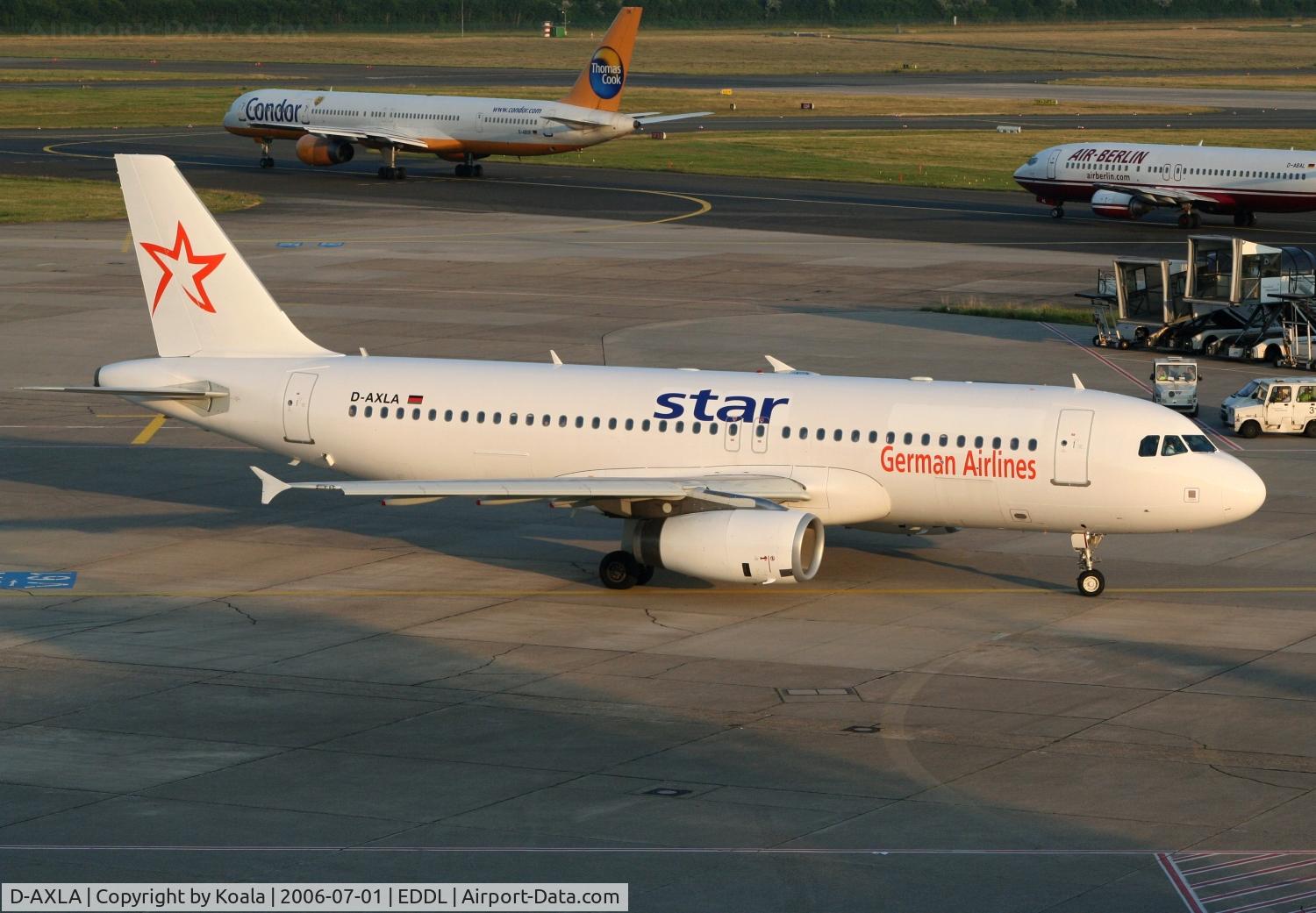
D-AXLA
MSN
2500
Year of Manufacture
2005
Operator
XL AirwaysDate
November 27, 2008 at 04:46 PM
Type
CRASHFlight Type
Test
Flight Phase
Landing (descent or approach)
Crash Site
Lake, Sea, Ocean, River
Crash Location
Saint-Cyprien Pyrénées-Orientales
Region
Europe • France
Coordinates
42.6181°, 3.0067°
Crash Cause
Human factor
Narrative Report
On November 27, 2008 at 04:46 PM, Perpignan - Frankfurt experienced a crash involving Airbus A320, operated by XL Airways, with the event recorded near Saint-Cyprien Pyrénées-Orientales.
The flight was categorized as test and the reported phase was landing (descent or approach) at a lake, sea, ocean, river crash site.
7 people were known to be on board, 7 fatalities were recorded, 0 survivors were identified or estimated. This corresponds to an estimated fatality rate of 100.0%.
Crew on board: 2, crew fatalities: 2, passengers on board: 5, passenger fatalities: 5, other fatalities: 0.
The listed crash cause is human factor. Flight GXL888T from Perpignan-Rivesaltes aerodrome was undertaken in the context of the end of a leasing agreement, before the return of D-AXLA to its owner. The program of planned checks could not be performed in general air traffic, so the flight was shortened. In level flight at FL320, angle of attack sensors 1 and 2 stopped moving and their positions did not change until the end of the flight. After about an hour of flight, the airplane returned to the departure aerodrome airspace and the crew was cleared to carry out an ILS procedure to runway 33, followed by a go around and a departure towards Frankfurt/Main (Germany). Shortly before overflying the initial approach fix, the crew carried out the check on the angle of attack protections in normal law. They lost control of the airplane, which crashed into the sea.
Aircraft reference details include registration D-AXLA, MSN 2500, year of manufacture 2005.
Geospatial coordinates for this crash are approximately 42.6181°, 3.0067°.
Fatalities
Total
7
Crew
2
Passengers
5
Other
0
Crash Summary
Flight GXL888T from Perpignan-Rivesaltes aerodrome was undertaken in the context of the end of a leasing agreement, before the return of D-AXLA to its owner. The program of planned checks could not be performed in general air traffic, so the flight was shortened. In level flight at FL320, angle of attack sensors 1 and 2 stopped moving and their positions did not change until the end of the flight. After about an hour of flight, the airplane returned to the departure aerodrome airspace and the crew was cleared to carry out an ILS procedure to runway 33, followed by a go around and a departure towards Frankfurt/Main (Germany). Shortly before overflying the initial approach fix, the crew carried out the check on the angle of attack protections in normal law. They lost control of the airplane, which crashed into the sea.
Cause: Human factor
Occupants & Outcome
Crew On Board
2
Passengers On Board
5
Estimated Survivors
0
Fatality Rate
100.0%
Known people on board: 7
Operational Details
Schedule / Flight
Perpignan - Frankfurt
Operator
XL AirwaysFlight Type
Test
Flight Phase
Landing (descent or approach)
Crash Site
Lake, Sea, Ocean, River
Region / Country
Europe • France
Aircraft Details
Similar Plane Crashes
French Air Force - Armée de l'Air
Breguet 14
The aircraft crashed iupon landing somewhere in France. Pilot Charles C. Bassett survived.
Royal Air Force - RAF
De Havilland DH.4
The airplane crashed in unknown circumstances in the sea off Saint-Vaast-la-Hougue, killing both crew members. Crew: 2Lt A. H. Aitken, 2Lt D. U. Thomas.
French Air Force - Armée de l'Air
De Havilland DH.4
The DH.4 collided with a Salmson aircraft over Latrecey-Ormoy-sur-Aube and crashed, killing the pilot Raymond B. Messer.
Royal Air Force - RAF
De Havilland DH.4
The single engine aircraft departed London on a flight to Paris, carrying one pilot and one passenger, the agronomist and botanist Aaron Aaronsohn. While flying over The Channel, the aircraft crashed in unknown circumstances in the sea off Boulogne-sur-Mer. Both occupants were killed.
Vickers-Armstrongs Ltd
Vickers Viking (Serie I/II/III & IV)
The British aviator John William Alcock departed Brooklands (Weybridge) that day to Paris-Le Bourget to take part to the first airplane exhibition in Europe after the WWI. While overflying Seine-Maritime, the pilot lost control of the seaplane that crashed in Cottévrard, some 20 km north of Rouen. The pilot was seriously injured (skull fracture) and died few hours later. He performed the first nonstop transatlantic flight from Newfoundland to Ireland last 15JUN1919 with Arthur Whitten Brown. He was aged 27.
Adastral Air Lines
Avro 504
Crashed in unknown circumstances somewhere in France. While all three occupants were slightly injured, the aircraft was destroyed.