
Kongolo – Goma
Flight / Schedule
Kongolo – Goma
Aircraft
Antonov AN-32Registration
9Q-CAC
MSN
14 07
Year of Manufacture
1987
Operator
Great Lakes Business CompanyDate
August 26, 2007 at 04:00 PM
Type
CRASHFlight Type
Cargo
Flight Phase
Landing (descent or approach)
Crash Site
Airport (less than 10 km from airport)
Crash Location
Kongolo Katanga
Region
Africa • Democratic Republic of Congo
Crash Cause
Technical failure
Narrative Report
On August 26, 2007 at 04:00 PM, Kongolo – Goma experienced a crash involving Antonov AN-32, operated by Great Lakes Business Company, with the event recorded near Kongolo Katanga.
The flight was categorized as cargo and the reported phase was landing (descent or approach) at a airport (less than 10 km from airport) crash site.
15 people were known to be on board, 14 fatalities were recorded, 1 survivors were identified or estimated. This corresponds to an estimated fatality rate of 93.3%.
Crew on board: 3, crew fatalities: 3, passengers on board: 12, passenger fatalities: 11, other fatalities: 0.
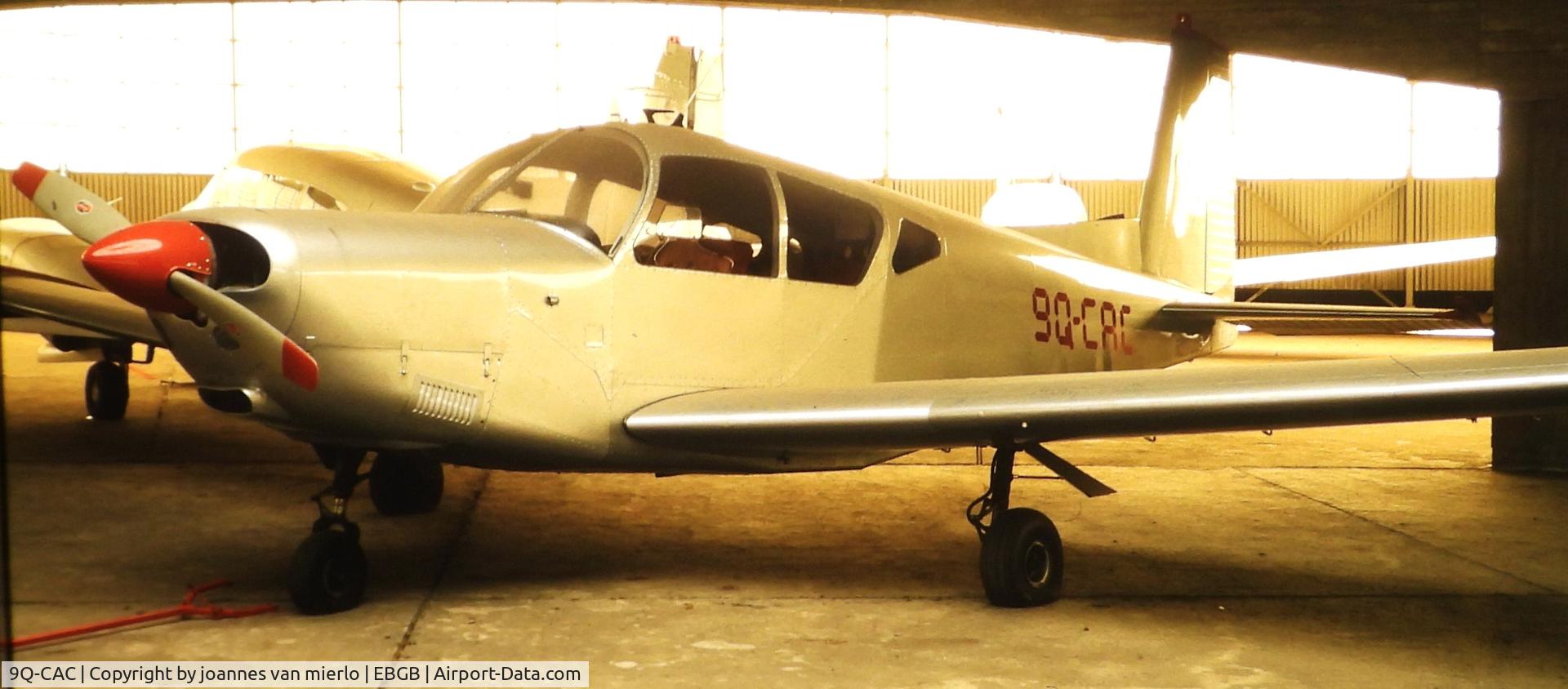
The listed crash cause is technical failure. The aircraft departed Kongolo on a cargo flight to Goma with 12 passengers, a crew of 3 and a load consisting of 9 tons of cassiterite on board. Ten minutes after takeoff, the crew informed ATC about engine problem and decided to return to Kongolo. On approach, the aircraft stalled, collided with trees and crashed in a wooded area located 3 km short of runway. A young boy aged two survived while 14 other occupants were killed. Not sure if the image here above refers to this accident.
Aircraft reference details include registration 9Q-CAC, MSN 14 07, year of manufacture 1987.
Fatalities
Total
14
Crew
3
Passengers
11
Other
0
Crash Summary
The aircraft departed Kongolo on a cargo flight to Goma with 12 passengers, a crew of 3 and a load consisting of 9 tons of cassiterite on board. Ten minutes after takeoff, the crew informed ATC about engine problem and decided to return to Kongolo. On approach, the aircraft stalled, collided with trees and crashed in a wooded area located 3 km short of runway. A young boy aged two survived while 14 other occupants were killed. Not sure if the image here above refers to this accident.
Cause: Technical failure
Occupants & Outcome
Crew On Board
3
Passengers On Board
12
Estimated Survivors
1
Fatality Rate
93.3%
Known people on board: 15
Operational Details
Schedule / Flight
Kongolo – Goma
Operator
Great Lakes Business CompanyFlight Type
Cargo
Flight Phase
Landing (descent or approach)
Crash Site
Airport (less than 10 km from airport)
Region / Country
Africa • Democratic Republic of Congo
Aircraft Details
Similar Plane Crashes
Eugène de Ligne
Aviméta 92
The aircraft was performing a flight from Albertville to Uvira with a crew of three on board. While cruising along the Tanganyika Lake, the crew encountered very bad weather conditions with thunderstorm activity, unfavorable winds, heavy rain falls and turbulences. The crew attempted an emergency landing when the aircraft crashed near the Burton Bay, near Kibanga, south of Baraka, Sud-Kivu. Both pilots were killed while the mechanic was seriously injured. Crew: Edmond Thieffry, pilot, Gaston Julien, pilot, Eugène Gastuche, mechanic.
Société Générale Aéronautique
Farman F.190
The crew departed Algiers on 13DEC1929 bound for Antananarivo where he arrived on 01JAN1930. On 10JAN1930, the crew departed Antananarivo for his back trip to Paris, with intermediate stops in Quelimane and Elizabethville. Few minutes after its departure from Port-Francqui, the aircraft crashed in the jungle near Dibaya, Kasai. The wreckage and the dead bodies of the crew members were found on 13MAR1930 in an isolated area. Crew: Léopold Roux, pilot, Raymond Caillol, radio, Eric Dodemont, mechanic.
SABENA - Société Anonyme Belge d'Exploitation de la Navigation Aérienne
De Havilland DH.50
The aircraft departed Elisabethville on a flight to Luluabourg with an intermediate stop in Bukama, carrying five passengers and two crew members. The crew initiated the takeoff procedure from a water logged runway. After a course of about 900 metres, the airplane overran and crashed against rocks. All five passengers and the flight mechanic escaped uninjured while the pilot Henri Van Reempst was killed after being wedged between his seat and the steering wheel.
Carl Nauer
De Havilland DH.80 Puss Moth
The pilot was attempting a world record from Cape Town to Croydon. While flying over the delta of the Congo River, the single engine aircraft crashed in unknown circumstances off Muanda, Bas Congo. The pilot was killed.
SABENA - Société Anonyme Belge d'Exploitation de la Navigation Aérienne
Sabca F7
En route, the right engine failed, forcing the crew to attempt an emergency landing. On touch down, the aircraft lost its undercarriage and slid several yards before coming to rest. While all occupants were unhurt, the aircraft was dismantled and towed to the nearest airfield but eventually, it was considered as damaged beyond repair and never flew again.
Air Afrique
Bloch MB.120
While approaching the city of Coquilhatville (now Mbandaka) from the north, the three engine aircraft crashed in unknown circumstances on an island located on the River Congo, some 40 km north of Coquilhatville. All three crew were rescued while the aircraft was lost.