
Denver – Santa Monica
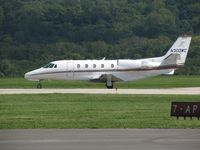
Flight / Schedule
Denver – Santa Monica
Aircraft
Socata TBM-700Registration
N300WC
MSN
82
Year of Manufacture
1993
Operator
Technical LeasingDate
March 26, 2001 at 07:19 AM
Type
CRASHFlight Type
Executive/Corporate/Business
Flight Phase
Takeoff (climb)
Crash Site
Airport (less than 10 km from airport)
Crash Location
Denver-Centennial Colorado
Region
North America • United States of America
Coordinates
39.5687°, -104.9658°
Crash Cause
Human factor
Narrative Report
On March 26, 2001 at 07:19 AM, Denver – Santa Monica experienced a crash involving Socata TBM-700, operated by Technical Leasing, with the event recorded near Denver-Centennial Colorado.
The flight was categorized as executive/corporate/business and the reported phase was takeoff (climb) at a airport (less than 10 km from airport) crash site.
1 people were known to be on board, 1 fatalities were recorded, 0 survivors were identified or estimated. This corresponds to an estimated fatality rate of 100.0%.
Crew on board: 1, crew fatalities: 1, passengers on board: 0, passenger fatalities: 0, other fatalities: 0.
The listed crash cause is human factor. The airplane was fueled to capacity and placed in a heated hangar about one hour before departure. The instrument rated pilot obtained a weather briefing, filed an IFR flight plan, and obtained an IFR clearance. Low ceiling, reduced visibility, and ice fog prevented control tower personnel from observing the takeoff. Radar (NTAP) and on-board GPS data indicated the airplane began drifting to the left of runway centerline almost immediately after takeoff. The airplane made a climbing left turn, achieving a maximum altitude of 7,072 feet and completing 217 degrees of turn, before beginning a descending left turn. The airplane impacted terrain on airport property. Autopsy/toxicology protocols were unremarkable. There was no evidence of preimpact failure/malfunction of the airframe, powerplant, propeller, or flight controls. The autopilot and servos, pitot-static system, and flight instruments were tested and all functioned satisfactorily. The pilot's shoulder harness was found attached to the seatbelt, but the male end of the seatbelt buckle was broken.
Aircraft reference details include registration N300WC, MSN 82, year of manufacture 1993.
Geospatial coordinates for this crash are approximately 39.5687°, -104.9658°.
Fatalities
Total
1
Crew
1
Passengers
0
Other
0
Crash Summary
The airplane was fueled to capacity and placed in a heated hangar about one hour before departure. The instrument rated pilot obtained a weather briefing, filed an IFR flight plan, and obtained an IFR clearance. Low ceiling, reduced visibility, and ice fog prevented control tower personnel from observing the takeoff. Radar (NTAP) and on-board GPS data indicated the airplane began drifting to the left of runway centerline almost immediately after takeoff. The airplane made a climbing left turn, achieving a maximum altitude of 7,072 feet and completing 217 degrees of turn, before beginning a descending left turn. The airplane impacted terrain on airport property. Autopsy/toxicology protocols were unremarkable. There was no evidence of preimpact failure/malfunction of the airframe, powerplant, propeller, or flight controls. The autopilot and servos, pitot-static system, and flight instruments were tested and all functioned satisfactorily. The pilot's shoulder harness was found attached to the seatbelt, but the male end of the seatbelt buckle was broken.
Cause: Human factor
Occupants & Outcome
Crew On Board
1
Passengers On Board
0
Estimated Survivors
0
Fatality Rate
100.0%
Known people on board: 1
Operational Details
Schedule / Flight
Denver – Santa Monica
Operator
Technical LeasingFlight Type
Executive/Corporate/Business
Flight Phase
Takeoff (climb)
Crash Site
Airport (less than 10 km from airport)
Region / Country
North America • United States of America
Aircraft Details
Similar Plane Crashes
United States Signal Corps - USSC
De Havilland DH.4
The single engine airplane departed Dayton-McCook Field for a local test flight. Shortly after takeoff, the aircraft stalled and crashed, killing both occupants. Crew: Maj Oscar Brindley, Lt Col Henry Damm.
United States Signal Corps - USSC
De Havilland DH.4
Lt. Frank Stuart Patterson, son and nephew of the co-founders of National Cash Register, is killed in the crash of his DH.4M, AS-32098, at Wilbur Wright Field during a flight test of a new mechanism for synchronizing machine gun and propeller, when a tie rod breaks during a dive from 15,000 feet (4,600 m), causing the wings to separate from the aircraft. Wishing to recognize the contributions of the Patterson family (owners of NCR) the area of Wright Field east of Huffman Dam (including Wilbur Wright Field, Fairfield Air Depot, and the Huffman Prairie) is renamed Patterson Field on 6 July 1931, in honor of Lt. Patterson.
United States Signal Corps - USSC
De Havilland DH.4
The aircraft crashed in unknown circumstances.
United States Signal Corps - USSC
De Havilland DH.4
The crew was completing a training mission. At an altitude of about 4,000 feet, the aircraft entered a spin and crashed in an open field near Everman-Barron Field Airport. A crew was killed and the second occupants was injured. The aircraft was destroyed.
U.S. Air Mail Service
De Havilland DH.4
Crashed following an engine failure. Pilot fate unknown.
United States Signal Corps - USSC
De Havilland DH.4
The accident occurred in unknown circumstances.