
Windsor Locks - Windsor Locks
Flight / Schedule
Windsor Locks - Windsor Locks
Aircraft
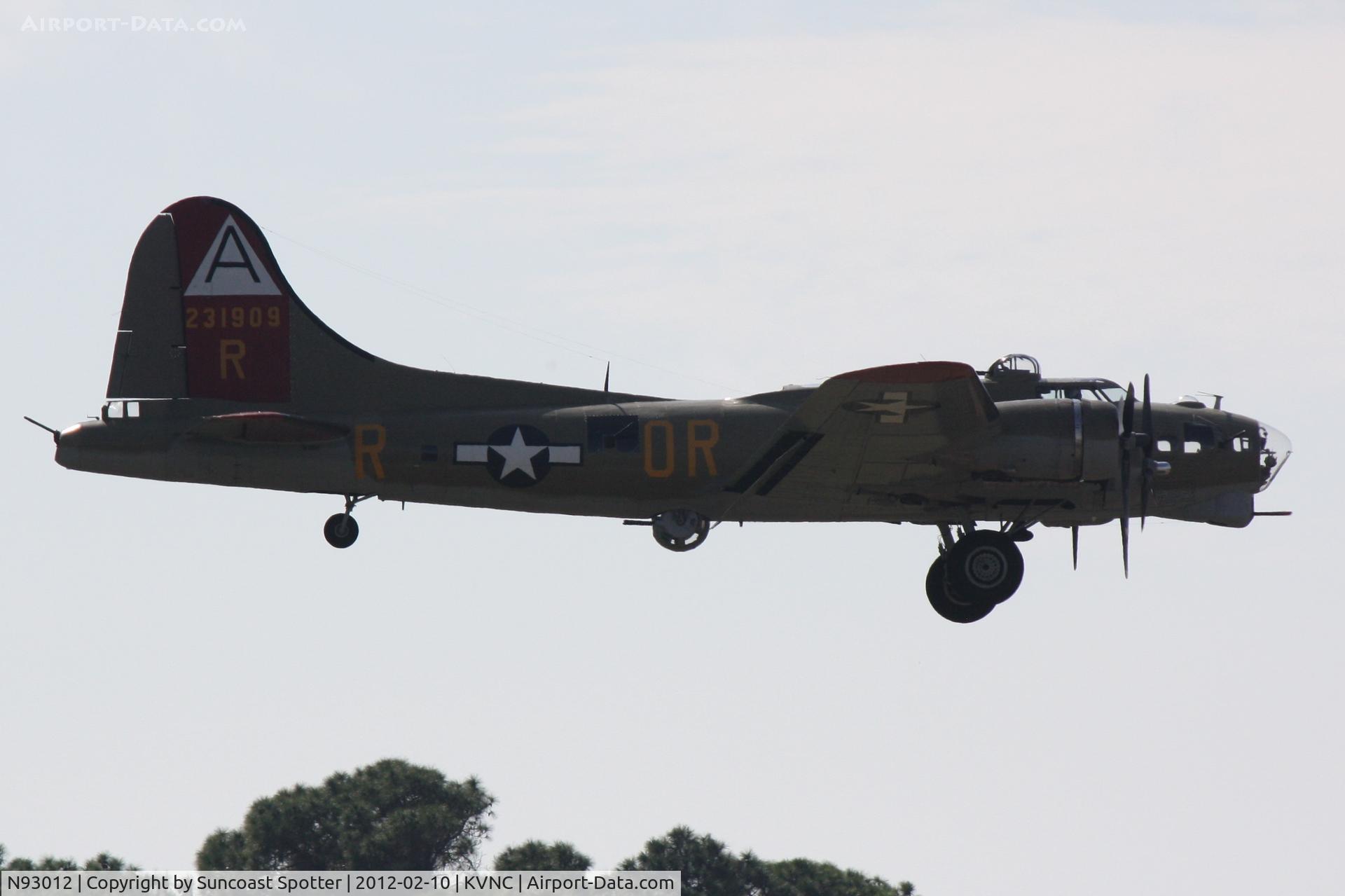
Boeing B-17 Flying FortressRegistration
N93012
MSN
7023
Year of Manufacture
1942
Operator
The Collings FoundationDate
October 2, 2019 at 09:53 AM
Type
CRASHFlight Type
Private
Flight Phase
Landing (descent or approach)
Crash Site
Airport (less than 10 km from airport)
Crash Location
Windsor Locks-Bradley Connecticut
Region
North America • United States of America
Crash Cause
Human factor
Narrative Report
On October 2, 2019 at 09:53 AM, Windsor Locks - Windsor Locks experienced a crash involving Boeing B-17 Flying Fortress, operated by The Collings Foundation, with the event recorded near Windsor Locks-Bradley Connecticut.
The flight was categorized as private and the reported phase was landing (descent or approach) at a airport (less than 10 km from airport) crash site.
13 people were known to be on board, 7 fatalities were recorded, 6 survivors were identified or estimated. This corresponds to an estimated fatality rate of 53.8%.
Crew on board: 3, crew fatalities: 2, passengers on board: 10, passenger fatalities: 5, other fatalities: 0.
The listed crash cause is human factor. The vintage, former US military bomber airplane was on a tour that allowed members of the public to purchase an excursion aboard the airplane for an LHFE flight. The accident flight was the airplane’s first flight of the day. During the initial climb, one of the pilots retracted the landing gear, and the crew chief/flight engineer (referred to as the loadmaster) left the cockpit to inform the passengers that they could leave their seats and walk around the airplane. One of the pilots reported to air traffic control that the airplane needed to return to the airport because of a rough magneto. At that time, the airplane was at an altitude of about 600 ft above ground level (agl) on the right crosswind leg of the airport traffic pattern for runway 6. The approach controller asked the pilot if he needed any assistance, to which the pilot replied, “negative.” When the loadmaster returned to the cockpit, he realized that the airplane was no longer climbing, and the pilot, realizing the same, instructed the copilot to extend the landing gear, which he did. The loadmaster left the cockpit to instruct the passengers to return to their seats and fasten their seat belts. When the loadmaster returned again to the cockpit, the pilot stated that the No. 4 engine was losing power; the pilot then shut down that engine and feathered the propeller without any further coordination or discussion. When the airplane was at an altitude of about 400 ft agl, it was on a midfield right downwind leg for runway 6. Witness video showed that the landing gear had already been extended by that time, even though the airplane still had about 2.7 nautical miles to fly in the traffic pattern before reaching the runway 6 threshold. During final approach, the airplane struck the runway 6 approach lights in a right-wing-down attitude about 1,000 ft before the runway and then contacted the ground about 500 ft before the runway. After landing short of the runway, the airplane traveled onto the right edge of the runway threshold and continued to veer to the right. The airplane collided with vehicles and a deicing fluid tank before coming to rest upright about 940 ft to the right of the runway. A postcrash fire ensued. Both pilots and five passengers were killed and all six other occupants as well as one people on the ground were injured, five seriously.
Aircraft reference details include registration N93012, MSN 7023, year of manufacture 1942.
Fatalities
Total
7
Crew
2
Passengers
5
Other
0
Crash Summary
The vintage, former US military bomber airplane was on a tour that allowed members of the public to purchase an excursion aboard the airplane for an LHFE flight. The accident flight was the airplane’s first flight of the day. During the initial climb, one of the pilots retracted the landing gear, and the crew chief/flight engineer (referred to as the loadmaster) left the cockpit to inform the passengers that they could leave their seats and walk around the airplane. One of the pilots reported to air traffic control that the airplane needed to return to the airport because of a rough magneto. At that time, the airplane was at an altitude of about 600 ft above ground level (agl) on the right crosswind leg of the airport traffic pattern for runway 6. The approach controller asked the pilot if he needed any assistance, to which the pilot replied, “negative.” When the loadmaster returned to the cockpit, he realized that the airplane was no longer climbing, and the pilot, realizing the same, instructed the copilot to extend the landing gear, which he did. The loadmaster left the cockpit to instruct the passengers to return to their seats and fasten their seat belts. When the loadmaster returned again to the cockpit, the pilot stated that the No. 4 engine was losing power; the pilot then shut down that engine and feathered the propeller without any further coordination or discussion. When the airplane was at an altitude of about 400 ft agl, it was on a midfield right downwind leg for runway 6. Witness video showed that the landing gear had already been extended by that time, even though the airplane still had about 2.7 nautical miles to fly in the traffic pattern before reaching the runway 6 threshold. During final approach, the airplane struck the runway 6 approach lights in a right-wing-down attitude about 1,000 ft before the runway and then contacted the ground about 500 ft before the runway. After landing short of the runway, the airplane traveled onto the right edge of the runway threshold and continued to veer to the right. The airplane collided with vehicles and a deicing fluid tank before coming to rest upright about 940 ft to the right of the runway. A postcrash fire ensued. Both pilots and five passengers were killed and all six other occupants as well as one people on the ground were injured, five seriously.
Cause: Human factor
Occupants & Outcome
Crew On Board
3
Passengers On Board
10
Estimated Survivors
6
Fatality Rate
53.8%
Known people on board: 13
Operational Details
Schedule / Flight
Windsor Locks - Windsor Locks
Operator
The Collings FoundationFlight Type
Private
Flight Phase
Landing (descent or approach)
Crash Site
Airport (less than 10 km from airport)
Region / Country
North America • United States of America
Aircraft Details
Similar Plane Crashes
United States Signal Corps - USSC
De Havilland DH.4
The single engine airplane departed Dayton-McCook Field for a local test flight. Shortly after takeoff, the aircraft stalled and crashed, killing both occupants. Crew: Maj Oscar Brindley, Lt Col Henry Damm.
United States Signal Corps - USSC
De Havilland DH.4
Lt. Frank Stuart Patterson, son and nephew of the co-founders of National Cash Register, is killed in the crash of his DH.4M, AS-32098, at Wilbur Wright Field during a flight test of a new mechanism for synchronizing machine gun and propeller, when a tie rod breaks during a dive from 15,000 feet (4,600 m), causing the wings to separate from the aircraft. Wishing to recognize the contributions of the Patterson family (owners of NCR) the area of Wright Field east of Huffman Dam (including Wilbur Wright Field, Fairfield Air Depot, and the Huffman Prairie) is renamed Patterson Field on 6 July 1931, in honor of Lt. Patterson.
United States Signal Corps - USSC
De Havilland DH.4
The aircraft crashed in unknown circumstances.
United States Signal Corps - USSC
De Havilland DH.4
The crew was completing a training mission. At an altitude of about 4,000 feet, the aircraft entered a spin and crashed in an open field near Everman-Barron Field Airport. A crew was killed and the second occupants was injured. The aircraft was destroyed.
U.S. Air Mail Service
De Havilland DH.4
Crashed following an engine failure. Pilot fate unknown.
United States Signal Corps - USSC
De Havilland DH.4
The accident occurred in unknown circumstances.