
Shreveport - Vernon
Flight / Schedule
Shreveport - Vernon
Registration
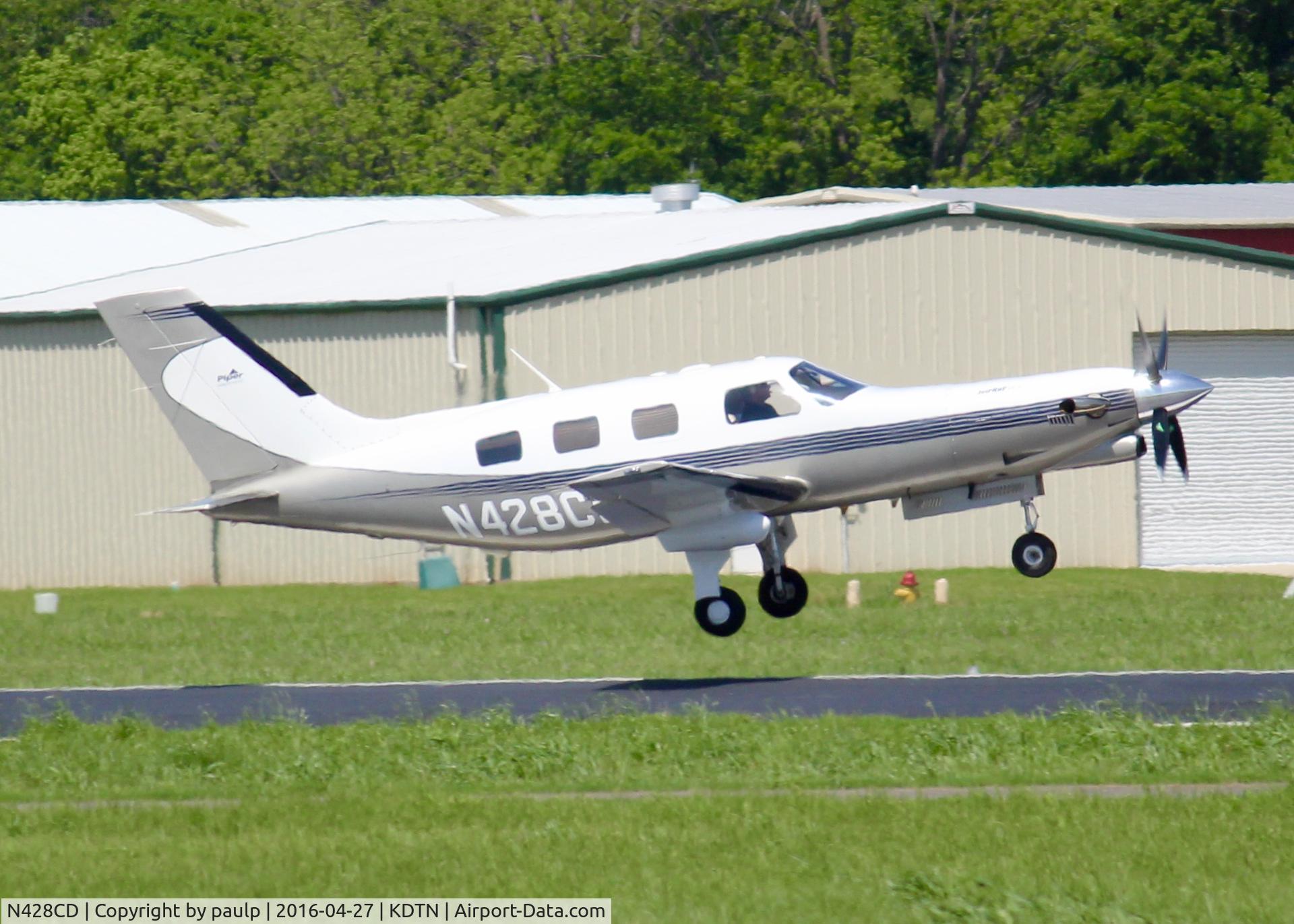
N428CD
MSN
46-36232
Year of Manufacture
1999
Operator
Lennard PropertiesDate
February 28, 2019 at 10:39 AM
Type
CRASHFlight Type
Private
Flight Phase
Takeoff (climb)
Crash Site
Lake, Sea, Ocean, River
Crash Location
Shreveport-Downtown Louisiana
Region
North America • United States of America
Coordinates
32.5404°, -93.7450°
Crash Cause
Human factor
Narrative Report
On February 28, 2019 at 10:39 AM, Shreveport - Vernon experienced a crash involving Piper PA-46 (Malibu/Meridian/Mirage/Matrix/M-Class), operated by Lennard Properties, with the event recorded near Shreveport-Downtown Louisiana.
The flight was categorized as private and the reported phase was takeoff (climb) at a lake, sea, ocean, river crash site.
2 people were known to be on board, 2 fatalities were recorded, 0 survivors were identified or estimated. This corresponds to an estimated fatality rate of 100.0%.
Crew on board: 1, crew fatalities: 1, passengers on board: 1, passenger fatalities: 1, other fatalities: 0.
The listed crash cause is human factor. The instrument-rated private pilot and passenger departed into instrument meteorological conditions with a 600-ft cloud ceiling in an airplane that was about 550 lbs over gross weight. Air traffic control data showed the airplane in a climbing left turn that continued beyond the assigned heading. After reaching 1,400 ft msl, the airplane continued turning left and its altitude and speed began to vary. The airplane continued in a left spiral, completing more than two full circles, then decelerated in a right turn and rapidly descended until impact with terrain. Examination of the flight control system revealed no evidence of mechanical malfunctions and downloaded engine data indicated normal engine operation. Downloaded data from the autopilot system revealed three in-flight error codes. The first error code, which likely occurred about 1 minute after takeoff, would have resulted in the autopilot, if it was engaged at the time, disengaging. The subsequent error codes likely occurred during the erratic flight profile, with the autopilot disengaged. Before the accident flight, the pilot had informed a mechanic, who is also a pilot, of intermittent issues with the autopilot system and that these issues were unresolved. The mechanic had flown with the accident pilot previously and assessed his instrument flying skills as weak. The flight instructor who provided initial flight training for the turbine engine transition stated the pilot's instrument flying proficiency was poor when he was hand flying the airplane. Toxicology testing revealed that the pilot had used marijuana, and his girlfriend stated the pilot would take a marijuana gummy before bedtime to sleep more soundly. However, given that no psychoactive compounds were found in blood specimens, it is unlikely that the pilot was impaired at the time of the accident. The instrument conditions at the time of the accident, the airplane's erratic flightpath, and the pilot's reported lack of instrument proficiency when flying by hand support the likelihood that the pilot experienced spatial disorientation sometime after takeoff. In addition, given the reports of the intermittently malfunctioning autopilot that had not been fixed, it is likely the pilot experienced an increased workload during a critical phase of flight that, in combination with spatial disorientation, led to the pilot's loss of airplane control.
Aircraft reference details include registration N428CD, MSN 46-36232, year of manufacture 1999.
Geospatial coordinates for this crash are approximately 32.5404°, -93.7450°.
Fatalities
Total
2
Crew
1
Passengers
1
Other
0
Crash Summary
The instrument-rated private pilot and passenger departed into instrument meteorological conditions with a 600-ft cloud ceiling in an airplane that was about 550 lbs over gross weight. Air traffic control data showed the airplane in a climbing left turn that continued beyond the assigned heading. After reaching 1,400 ft msl, the airplane continued turning left and its altitude and speed began to vary. The airplane continued in a left spiral, completing more than two full circles, then decelerated in a right turn and rapidly descended until impact with terrain. Examination of the flight control system revealed no evidence of mechanical malfunctions and downloaded engine data indicated normal engine operation. Downloaded data from the autopilot system revealed three in-flight error codes. The first error code, which likely occurred about 1 minute after takeoff, would have resulted in the autopilot, if it was engaged at the time, disengaging. The subsequent error codes likely occurred during the erratic flight profile, with the autopilot disengaged. Before the accident flight, the pilot had informed a mechanic, who is also a pilot, of intermittent issues with the autopilot system and that these issues were unresolved. The mechanic had flown with the accident pilot previously and assessed his instrument flying skills as weak. The flight instructor who provided initial flight training for the turbine engine transition stated the pilot's instrument flying proficiency was poor when he was hand flying the airplane. Toxicology testing revealed that the pilot had used marijuana, and his girlfriend stated the pilot would take a marijuana gummy before bedtime to sleep more soundly. However, given that no psychoactive compounds were found in blood specimens, it is unlikely that the pilot was impaired at the time of the accident. The instrument conditions at the time of the accident, the airplane's erratic flightpath, and the pilot's reported lack of instrument proficiency when flying by hand support the likelihood that the pilot experienced spatial disorientation sometime after takeoff. In addition, given the reports of the intermittently malfunctioning autopilot that had not been fixed, it is likely the pilot experienced an increased workload during a critical phase of flight that, in combination with spatial disorientation, led to the pilot's loss of airplane control.
Cause: Human factor
Occupants & Outcome
Crew On Board
1
Passengers On Board
1
Estimated Survivors
0
Fatality Rate
100.0%
Known people on board: 2
Operational Details
Schedule / Flight
Shreveport - Vernon
Operator
Lennard PropertiesFlight Type
Private
Flight Phase
Takeoff (climb)
Crash Site
Lake, Sea, Ocean, River
Region / Country
North America • United States of America
Aircraft Details
Registration
N428CD
MSN
46-36232
Year of Manufacture
1999
Similar Plane Crashes
United States Signal Corps - USSC
De Havilland DH.4
The single engine airplane departed Dayton-McCook Field for a local test flight. Shortly after takeoff, the aircraft stalled and crashed, killing both occupants. Crew: Maj Oscar Brindley, Lt Col Henry Damm.
United States Signal Corps - USSC
De Havilland DH.4
Lt. Frank Stuart Patterson, son and nephew of the co-founders of National Cash Register, is killed in the crash of his DH.4M, AS-32098, at Wilbur Wright Field during a flight test of a new mechanism for synchronizing machine gun and propeller, when a tie rod breaks during a dive from 15,000 feet (4,600 m), causing the wings to separate from the aircraft. Wishing to recognize the contributions of the Patterson family (owners of NCR) the area of Wright Field east of Huffman Dam (including Wilbur Wright Field, Fairfield Air Depot, and the Huffman Prairie) is renamed Patterson Field on 6 July 1931, in honor of Lt. Patterson.
United States Signal Corps - USSC
De Havilland DH.4
The aircraft crashed in unknown circumstances.
United States Signal Corps - USSC
De Havilland DH.4
The crew was completing a training mission. At an altitude of about 4,000 feet, the aircraft entered a spin and crashed in an open field near Everman-Barron Field Airport. A crew was killed and the second occupants was injured. The aircraft was destroyed.
U.S. Air Mail Service
De Havilland DH.4
Crashed following an engine failure. Pilot fate unknown.
United States Signal Corps - USSC
De Havilland DH.4
The accident occurred in unknown circumstances.