
Miami - Miami
Flight / Schedule
Miami - Miami
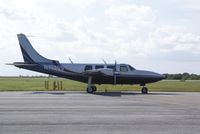
Aircraft
Piper PA-61 Aerostar (Ted Smith 601)Registration
N7529S
MSN
61-0161-082
Year of Manufacture
1974
Operator
Carman W. RolloDate
December 10, 2017 at 02:50 PM
Type
CRASHFlight Type
Private
Flight Phase
Takeoff (climb)
Crash Site
Airport (less than 10 km from airport)
Crash Location
Miami-Executive (Kendall-Tamiami) Florida
Region
North America • United States of America
Narrative Report
On December 10, 2017 at 02:50 PM, Miami - Miami experienced a crash involving Piper PA-61 Aerostar (Ted Smith 601), operated by Carman W. Rollo, with the event recorded near Miami-Executive (Kendall-Tamiami) Florida.
The flight was categorized as private and the reported phase was takeoff (climb) at a airport (less than 10 km from airport) crash site.
1 people were known to be on board, 1 fatalities were recorded, 0 survivors were identified or estimated. This corresponds to an estimated fatality rate of 100.0%.
Crew on board: 1, crew fatalities: 1, passengers on board: 0, passenger fatalities: 0, other fatalities: 0.
Before departing on the flight, the private pilot, who did not hold a current medical certificate, fueled the multiengine airplane and was seen shortly thereafter attempting to repair a fuel leak of unknown origin. The pilot did not hold a mechanic certificate and review of the maintenance logbooks revealed that the most recent annual inspection was completed 2 years before the accident. After performing undetermined maintenance to the airplane, the pilot reported to a witness that he had fixed the fuel leak. The pilot then taxied to the runway for takeoff. Witnesses reported that a large fuel stain was present on the ramp where the airplane had been parked; however, the amount of fuel that leaked from the airplane could not be determined. The pilot aborted the first takeoff shortly after becoming airborne. Although he did not state why he aborted the takeoff, he told the tower controller that he did not need assistance; shortly thereafter, he requested and was cleared for a second takeoff. During the initial climb, the pilot declared an emergency and was cleared to land on any runway. Witnesses reported that the airplane was between 400 ft and 800 ft above the ground in a left bank and appeared to be turning back to land on an intersecting runway. They thought the airplane was going to make it back to the runway, but the airplane's bank angle increased past 90° and the nose suddenly dropped; the airplane subsequently impacted terrain. One of the pilots likened the maneuver to a stall/spin, Vmc roll, or snap roll. Examination of the flight controls and engines did not reveal any anomalies that would have prevented normal operation. The position of the fuel valves was consistent with the fuel being shut off to the left engine. The fuel valves, with the exception of the left main valve, functioned when power was applied. The left main valve was intact, but the motor was found to operate intermittently. The amount of fuel found in the left engine injection servo was less than that in the right engine; however, the cylinder head temperatures and exhaust gas temperatures were consistent between both engines for the duration of the flight, and whether or to what extent the left engine may have experienced a loss of power could not be determined. The available evidence was insufficient to determine why the pilot declared an emergency and elected to return to the airport; however, the airplane's increased left bank and nose-down attitude just before impact is consistent with a loss of control.
Aircraft reference details include registration N7529S, MSN 61-0161-082, year of manufacture 1974.
Fatalities
Total
1
Crew
1
Passengers
0
Other
0
Crash Summary
Before departing on the flight, the private pilot, who did not hold a current medical certificate, fueled the multiengine airplane and was seen shortly thereafter attempting to repair a fuel leak of unknown origin. The pilot did not hold a mechanic certificate and review of the maintenance logbooks revealed that the most recent annual inspection was completed 2 years before the accident. After performing undetermined maintenance to the airplane, the pilot reported to a witness that he had fixed the fuel leak. The pilot then taxied to the runway for takeoff. Witnesses reported that a large fuel stain was present on the ramp where the airplane had been parked; however, the amount of fuel that leaked from the airplane could not be determined. The pilot aborted the first takeoff shortly after becoming airborne. Although he did not state why he aborted the takeoff, he told the tower controller that he did not need assistance; shortly thereafter, he requested and was cleared for a second takeoff. During the initial climb, the pilot declared an emergency and was cleared to land on any runway. Witnesses reported that the airplane was between 400 ft and 800 ft above the ground in a left bank and appeared to be turning back to land on an intersecting runway. They thought the airplane was going to make it back to the runway, but the airplane's bank angle increased past 90° and the nose suddenly dropped; the airplane subsequently impacted terrain. One of the pilots likened the maneuver to a stall/spin, Vmc roll, or snap roll. Examination of the flight controls and engines did not reveal any anomalies that would have prevented normal operation. The position of the fuel valves was consistent with the fuel being shut off to the left engine. The fuel valves, with the exception of the left main valve, functioned when power was applied. The left main valve was intact, but the motor was found to operate intermittently. The amount of fuel found in the left engine injection servo was less than that in the right engine; however, the cylinder head temperatures and exhaust gas temperatures were consistent between both engines for the duration of the flight, and whether or to what extent the left engine may have experienced a loss of power could not be determined. The available evidence was insufficient to determine why the pilot declared an emergency and elected to return to the airport; however, the airplane's increased left bank and nose-down attitude just before impact is consistent with a loss of control.
Occupants & Outcome
Crew On Board
1
Passengers On Board
0
Estimated Survivors
0
Fatality Rate
100.0%
Known people on board: 1
Operational Details
Schedule / Flight
Miami - Miami
Operator
Carman W. RolloFlight Type
Private
Flight Phase
Takeoff (climb)
Crash Site
Airport (less than 10 km from airport)
Region / Country
North America • United States of America
Aircraft Details
Aircraft
Piper PA-61 Aerostar (Ted Smith 601)Registration
N7529S
MSN
61-0161-082
Year of Manufacture
1974
Similar Plane Crashes
United States Signal Corps - USSC
De Havilland DH.4
The single engine airplane departed Dayton-McCook Field for a local test flight. Shortly after takeoff, the aircraft stalled and crashed, killing both occupants. Crew: Maj Oscar Brindley, Lt Col Henry Damm.
United States Signal Corps - USSC
De Havilland DH.4
Lt. Frank Stuart Patterson, son and nephew of the co-founders of National Cash Register, is killed in the crash of his DH.4M, AS-32098, at Wilbur Wright Field during a flight test of a new mechanism for synchronizing machine gun and propeller, when a tie rod breaks during a dive from 15,000 feet (4,600 m), causing the wings to separate from the aircraft. Wishing to recognize the contributions of the Patterson family (owners of NCR) the area of Wright Field east of Huffman Dam (including Wilbur Wright Field, Fairfield Air Depot, and the Huffman Prairie) is renamed Patterson Field on 6 July 1931, in honor of Lt. Patterson.
United States Signal Corps - USSC
De Havilland DH.4
The aircraft crashed in unknown circumstances.
United States Signal Corps - USSC
De Havilland DH.4
The crew was completing a training mission. At an altitude of about 4,000 feet, the aircraft entered a spin and crashed in an open field near Everman-Barron Field Airport. A crew was killed and the second occupants was injured. The aircraft was destroyed.
U.S. Air Mail Service
De Havilland DH.4
Crashed following an engine failure. Pilot fate unknown.
United States Signal Corps - USSC
De Havilland DH.4
The accident occurred in unknown circumstances.