
Cascais – Marseille
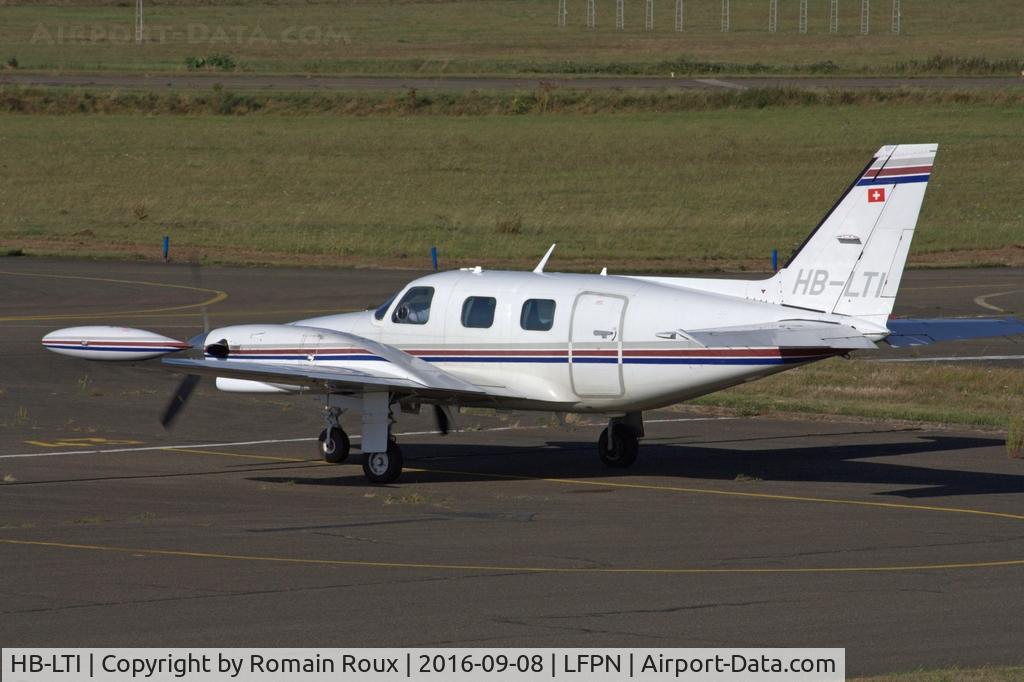
Flight / Schedule
Cascais – Marseille
Aircraft
Piper PA-31 CheyenneRegistration
HB-LTI
MSN
31T-8020091
Year of Manufacture
1980
Operator
Symbios OrthopédieDate
April 17, 2017 at 12:04 PM
Type
CRASHFlight Type
Private
Flight Phase
Takeoff (climb)
Crash Site
City
Crash Location
Cascais Estremadura - Lisbon District
Region
Europe • Portugal
Crash Cause
Technical failure
Narrative Report
On April 17, 2017 at 12:04 PM, Cascais – Marseille experienced a crash involving Piper PA-31 Cheyenne, operated by Symbios Orthopédie, with the event recorded near Cascais Estremadura - Lisbon District.
The flight was categorized as private and the reported phase was takeoff (climb) at a city crash site.
4 people were known to be on board, 5 fatalities were recorded, 0 survivors were identified or estimated. This corresponds to an estimated fatality rate of 125.0%.
Crew on board: 1, crew fatalities: 1, passengers on board: 3, passenger fatalities: 3, other fatalities: 1.
The listed crash cause is technical failure. On April 17th, at 11:04 UTC, the aircraft turboprop Piper PA-31 Cheyenne II, registration HBLTI, private property, took off from runway 17 of the Cascais aerodrome (LPCS) bound to Marseille airport (LFML), IFR private flight, with 1 pilot and 3 passengers on board. According to several eyewitness testimonies, after takeoff, the Swiss twin-engine started to put the left wing down and consequently to turn left while climbing slowly to about 300’ feet of altitude. The left bank1 increased and the speed decreased leading the aircraft to stall. The aircraft entered a steep dive and impacted the ground next to a logistics dock of a local supermarket, located southeast of the airfield. The crash occurred 700 m from the end of the departure runway. Following the impact, the aircraft exploded and caught fire affecting a logistic dock, a house and a truck. The aircraft was destroyed by impact force and the post-collision fire, all the four occupants were killed. The driver of the truck affected by the explosion of the plane was also killed. The fuselage, wings, the engines and propellers were severely damaged by the impact force and post-impact fuel-fed fire. The structural damage to the aircraft was consistent with the application of extensive structural loads during the impact sequence, and the effects of the subsequent fire. No pre-crash structural defects were found. All aircraft parts and control surfaces were located at the site. The flaps and the landing gear were found retracted at the time of impact.
Aircraft reference details include registration HB-LTI, MSN 31T-8020091, year of manufacture 1980.
Fatalities
Total
5
Crew
1
Passengers
3
Other
1
Crash Summary
On April 17th, at 11:04 UTC, the aircraft turboprop Piper PA-31 Cheyenne II, registration HBLTI, private property, took off from runway 17 of the Cascais aerodrome (LPCS) bound to Marseille airport (LFML), IFR private flight, with 1 pilot and 3 passengers on board. According to several eyewitness testimonies, after takeoff, the Swiss twin-engine started to put the left wing down and consequently to turn left while climbing slowly to about 300’ feet of altitude. The left bank1 increased and the speed decreased leading the aircraft to stall. The aircraft entered a steep dive and impacted the ground next to a logistics dock of a local supermarket, located southeast of the airfield. The crash occurred 700 m from the end of the departure runway. Following the impact, the aircraft exploded and caught fire affecting a logistic dock, a house and a truck. The aircraft was destroyed by impact force and the post-collision fire, all the four occupants were killed. The driver of the truck affected by the explosion of the plane was also killed. The fuselage, wings, the engines and propellers were severely damaged by the impact force and post-impact fuel-fed fire. The structural damage to the aircraft was consistent with the application of extensive structural loads during the impact sequence, and the effects of the subsequent fire. No pre-crash structural defects were found. All aircraft parts and control surfaces were located at the site. The flaps and the landing gear were found retracted at the time of impact.
Cause: Technical failure
Occupants & Outcome
Crew On Board
1
Passengers On Board
3
Estimated Survivors
0
Fatality Rate
125.0%
Known people on board: 4
Operational Details
Schedule / Flight
Cascais – Marseille
Operator
Symbios OrthopédieFlight Type
Private
Flight Phase
Takeoff (climb)
Crash Site
City
Region / Country
Europe • Portugal
Aircraft Details
Similar Plane Crashes
Portuguese Air Force - Aeronáutica Militar
Tellier T.3
The seaplane crashed in unknown circumstances in the sea off Cascais, killing both crew members.
Portuguese Air Force - Aeronáutica Militar
Breguet 14
The crew was completing a training flight when the airplane crashed in unknown circumstances in Barcarena. All three occupants were killed.
Portuguese Air Force - Aeronáutica Militar
Avro 504
The crew was completing a local training flight out from Lisbon-Alverca Airport. Shortly after takeoff, the single engine aircraft went out of control and crashed. Both crew members were killed. Crew: Lt Ferreira de Brito, Cpl Castro e Silva.
Portuguese Air Force - Aeronáutica Militar
Avro 504
The single engine airplane was approaching the Granja do Marquês AFB in Sintra when it crashed in unknown circumstances. Both occupants, Lt Almicar Alvarenca Passo and the passenger, Doctor Alf José de Azevedo Reis were killed.
Heinkel Flugzeuge
Heinkel He.6
The crew was performing a flight from Rostock to Newfoundland on behalf of the German manufacturer Heinkel Flugzeugbau. The aircraft departed Warnemünde harbor (north of Rostock) at 1221LT on 12OCT1927 and made several intermediate stops en route: Brunsbüttel on 12OCT, Wilhelmshaven on 13OCT, Amsterdam on 14OCT, Vigo on 16OCT, Lisbon on 18OCT and Horta on 04NOV. After few days on Faial Island, the crew decided to continue his trip to Canada and started on the night of 12 to 13 of November. Two takeoff attempts were abandoned due to unfavorable winds, and during the third attempt, while climbing, the aircraft crashed in the sea, in the harbor of Horta. While all three occupants escaped uninjured, the aircraft was destroyed. Crew: Captain Horst Mertz, pilot, Willem Bock, radio navigator, Fritz Rohde, engineer.
L'Aéropostale
CAMS 51
The seaplane named 'La Frégate' crashed while taking off from the Horta Bay for unknown reasons. While both crew members were slightly injured, the aircraft was damaged beyond repair. It was on its way from Brest, France, to New York.