
Sarasota - Sarasota
Flight / Schedule
Sarasota - Sarasota
Aircraft
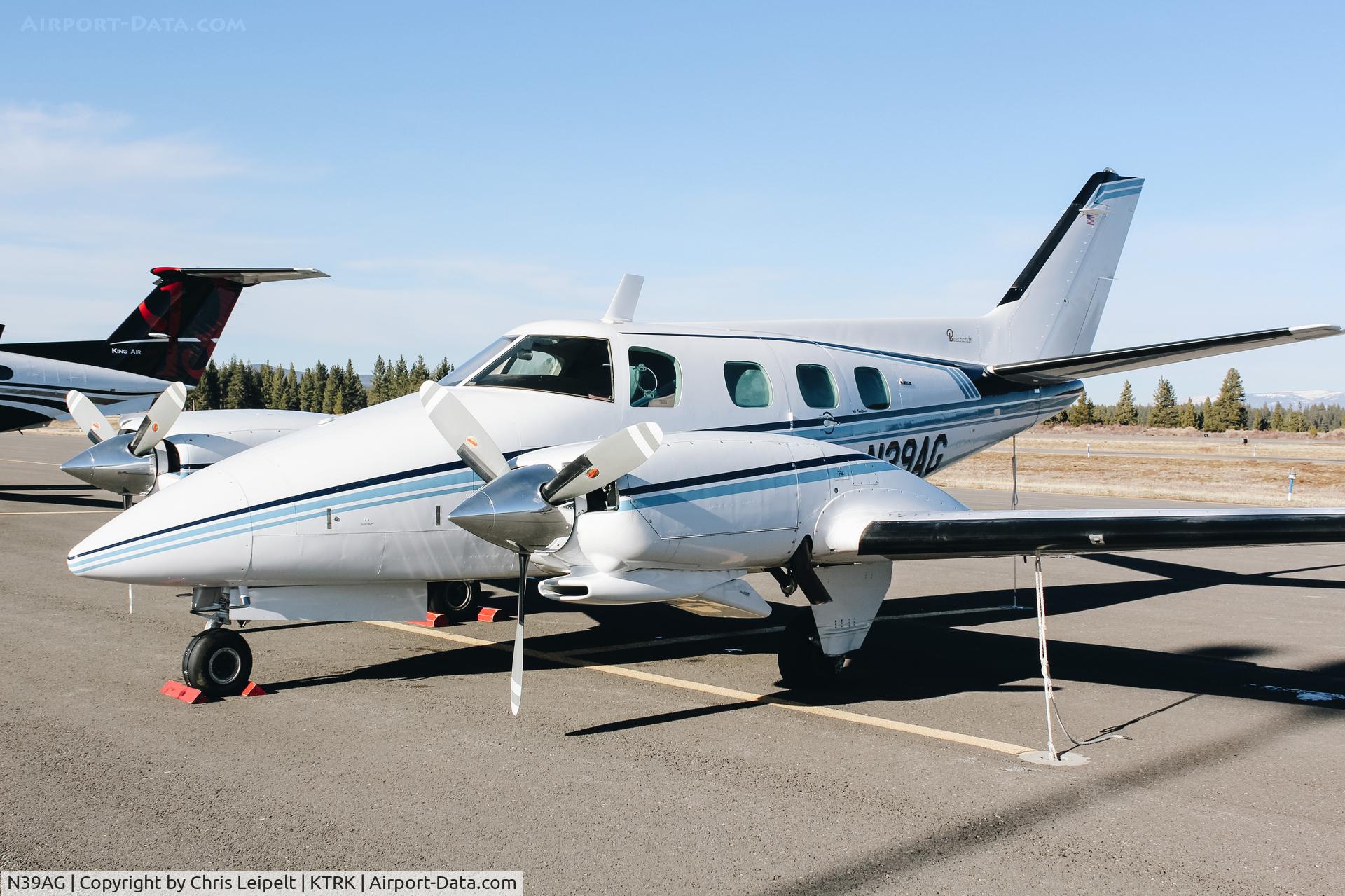
Beechcraft 60 DukeRegistration
N39AG
MSN
P-425
Year of Manufacture
1977
Operator
David B. MutchlerDate
March 4, 2017 at 01:30 PM
Type
CRASHFlight Type
Training
Flight Phase
Flight
Crash Site
Plain, Valley
Crash Location
Duette Florida
Region
North America • United States of America
Coordinates
27.5903°, -82.1229°
Crash Cause
Human factor
Narrative Report
On March 4, 2017 at 01:30 PM, Sarasota - Sarasota experienced a crash involving Beechcraft 60 Duke, operated by David B. Mutchler, with the event recorded near Duette Florida.
The flight was categorized as training and the reported phase was flight at a plain, valley crash site.
2 people were known to be on board, 2 fatalities were recorded, 0 survivors were identified or estimated. This corresponds to an estimated fatality rate of 100.0%.
Crew on board: 2, crew fatalities: 2, passengers on board: 0, passenger fatalities: 0, other fatalities: 0.
The listed crash cause is human factor. The private pilot, who had recently purchased the airplane, and the flight instructor were conducting an instructional flight in the multi-engine airplane to meet insurance requirements. Radar data for the accident flight, which occurred on the second day of 2 days of training, showed the airplane maneuvering between 1,000 ft and 1,200 ft above ground level (agl) just before the accident. The witness descriptions of the accident were consistent with the airplane transitioning from slow flight into a stall that developed into a spin from which the pilots were unable to recover before the airplane impacted terrain. Examination of the wreckage did not reveal evidence of any preexisting mechanical malfunctions or anomalies that would have precluded normal operation of the airplane. After the first day of training, the pilot told friends and fellow pilots that the instructor provided non-standard training that included stall practice that required emergency recoveries at low airspeed and low altitude. The instructor used techniques that were not in keeping with established flight training standards and were not what would be expected from an individual with his extensive background in general aviation flight instruction. Most critically, the instructor used two techniques that introduced unnecessary risk: increasing power before reducing the angle of attack during a stall recovery and introducing asymmetric power while recovering from a stall in a multi-engine airplane; both techniques are dangerous errors because they can lead to an airplane entering a spin. At one point during the first day of training, the airplane entered a full stall and spun before control was regained at very low altitude. The procedures performed contradicted standard practice and Federal Aviation Administration guidance; yet, despite the pilot's experience in multi-engine airplanes and in the accident airplane make and model, he chose to continue the second day of training with the instructor instead of seeking a replacement to complete the insurance check out. The spin encountered on the accident flight likely resulted from the stall recovery errors advocated by the instructor and practiced on the prior day's flight. Unlike the previous flight, the accident flight did not have sufficient altitude for recovery because of the low altitude it was operating at, which was below the safe altitude required for stall training (one which allows recovery no lower than 3,000 ft agl).
Aircraft reference details include registration N39AG, MSN P-425, year of manufacture 1977.
Geospatial coordinates for this crash are approximately 27.5903°, -82.1229°.
Fatalities
Total
2
Crew
2
Passengers
0
Other
0
Crash Summary
The private pilot, who had recently purchased the airplane, and the flight instructor were conducting an instructional flight in the multi-engine airplane to meet insurance requirements. Radar data for the accident flight, which occurred on the second day of 2 days of training, showed the airplane maneuvering between 1,000 ft and 1,200 ft above ground level (agl) just before the accident. The witness descriptions of the accident were consistent with the airplane transitioning from slow flight into a stall that developed into a spin from which the pilots were unable to recover before the airplane impacted terrain. Examination of the wreckage did not reveal evidence of any preexisting mechanical malfunctions or anomalies that would have precluded normal operation of the airplane. After the first day of training, the pilot told friends and fellow pilots that the instructor provided non-standard training that included stall practice that required emergency recoveries at low airspeed and low altitude. The instructor used techniques that were not in keeping with established flight training standards and were not what would be expected from an individual with his extensive background in general aviation flight instruction. Most critically, the instructor used two techniques that introduced unnecessary risk: increasing power before reducing the angle of attack during a stall recovery and introducing asymmetric power while recovering from a stall in a multi-engine airplane; both techniques are dangerous errors because they can lead to an airplane entering a spin. At one point during the first day of training, the airplane entered a full stall and spun before control was regained at very low altitude. The procedures performed contradicted standard practice and Federal Aviation Administration guidance; yet, despite the pilot's experience in multi-engine airplanes and in the accident airplane make and model, he chose to continue the second day of training with the instructor instead of seeking a replacement to complete the insurance check out. The spin encountered on the accident flight likely resulted from the stall recovery errors advocated by the instructor and practiced on the prior day's flight. Unlike the previous flight, the accident flight did not have sufficient altitude for recovery because of the low altitude it was operating at, which was below the safe altitude required for stall training (one which allows recovery no lower than 3,000 ft agl).
Cause: Human factor
Occupants & Outcome
Crew On Board
2
Passengers On Board
0
Estimated Survivors
0
Fatality Rate
100.0%
Known people on board: 2
Operational Details
Schedule / Flight
Sarasota - Sarasota
Operator
David B. MutchlerFlight Type
Training
Flight Phase
Flight
Crash Site
Plain, Valley
Region / Country
North America • United States of America
Aircraft Details
Similar Plane Crashes
United States Signal Corps - USSC
De Havilland DH.4
The single engine airplane departed Dayton-McCook Field for a local test flight. Shortly after takeoff, the aircraft stalled and crashed, killing both occupants. Crew: Maj Oscar Brindley, Lt Col Henry Damm.
United States Signal Corps - USSC
De Havilland DH.4
Lt. Frank Stuart Patterson, son and nephew of the co-founders of National Cash Register, is killed in the crash of his DH.4M, AS-32098, at Wilbur Wright Field during a flight test of a new mechanism for synchronizing machine gun and propeller, when a tie rod breaks during a dive from 15,000 feet (4,600 m), causing the wings to separate from the aircraft. Wishing to recognize the contributions of the Patterson family (owners of NCR) the area of Wright Field east of Huffman Dam (including Wilbur Wright Field, Fairfield Air Depot, and the Huffman Prairie) is renamed Patterson Field on 6 July 1931, in honor of Lt. Patterson.
United States Signal Corps - USSC
De Havilland DH.4
The aircraft crashed in unknown circumstances.
United States Signal Corps - USSC
De Havilland DH.4
The crew was completing a training mission. At an altitude of about 4,000 feet, the aircraft entered a spin and crashed in an open field near Everman-Barron Field Airport. A crew was killed and the second occupants was injured. The aircraft was destroyed.
U.S. Air Mail Service
De Havilland DH.4
Crashed following an engine failure. Pilot fate unknown.
United States Signal Corps - USSC
De Havilland DH.4
The accident occurred in unknown circumstances.