
Georgetown - Georgetown
Flight / Schedule
Georgetown - Georgetown
Aircraft
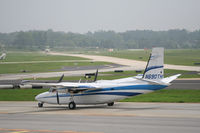
Rockwell Grand Commander 690Registration
N690TH
MSN
11487
Year of Manufacture
1978
Operator
Mickey L. BrethowerDate
April 9, 2016 at 09:51 AM
Type
CRASHFlight Type
Training
Flight Phase
Flight
Crash Site
Plain, Valley
Crash Location
Hare Texas
Region
North America • United States of America
Coordinates
30.6710°, -97.2731°
Narrative Report
On April 9, 2016 at 09:51 AM, Georgetown - Georgetown experienced a crash involving Rockwell Grand Commander 690, operated by Mickey L. Brethower, with the event recorded near Hare Texas.
The flight was categorized as training and the reported phase was flight at a plain, valley crash site.
2 people were known to be on board, 2 fatalities were recorded, 0 survivors were identified or estimated. This corresponds to an estimated fatality rate of 100.0%.
Crew on board: 2, crew fatalities: 2, passengers on board: 0, passenger fatalities: 0, other fatalities: 0.
The private pilot, who was the owner of the airplane, and a flight instructor were performing a recurrent training flight. Radar data showed that the airplane departed and climbed to an altitude about 5,000 ft above ground level. About 5 minutes after takeoff, the airplane conducted a left 360° turn followed by a right 360° turn, then continued in level flight for about 2 minutes as it slowed to a groundspeed of about 90 knots, which may have been indicative of airwork leading to slow flight or stall maneuvers. The airplane then entered a steep bank and impacted the ground in a nose-low attitude. Both engines and propellers displayed evidence of operation at the time of impact, and postaccident examination revealed no mechanical anomalies that would have precluded normal operation of the airframe or engines. The instructor had a history of obstructive sleep apnea. The investigation was unable to determine how well the condition was controlled, if he had symptoms from the condition, or if it contributed to the accident. Toxicology testing revealed low levels of ethanol in specimens from both pilots; however, it is likely that some or all of the ethanol detected was a result of postmortem production, and it is unlikely that alcohol impairment contributed to the accident. Toxicology testing also detected the primary psychoactive compound of marijuana, tetrahydrocannabinol (THC), and its metabolite, tetrahydrocannabinol carboxylic acid (THCCOOH), in specimens obtained from comingled remains; the investigation was unable to reliably determine which pilot had used the impairing illicit drug. Additionally, it is not possible to determine impairment from tissue specimens; therefore, the investigation was unable to determine whether THC impaired either of the pilots or if it may have contributed to the accident.
Aircraft reference details include registration N690TH, MSN 11487, year of manufacture 1978.
Geospatial coordinates for this crash are approximately 30.6710°, -97.2731°.
Fatalities
Total
2
Crew
2
Passengers
0
Other
0
Crash Summary
The private pilot, who was the owner of the airplane, and a flight instructor were performing a recurrent training flight. Radar data showed that the airplane departed and climbed to an altitude about 5,000 ft above ground level. About 5 minutes after takeoff, the airplane conducted a left 360° turn followed by a right 360° turn, then continued in level flight for about 2 minutes as it slowed to a groundspeed of about 90 knots, which may have been indicative of airwork leading to slow flight or stall maneuvers. The airplane then entered a steep bank and impacted the ground in a nose-low attitude. Both engines and propellers displayed evidence of operation at the time of impact, and postaccident examination revealed no mechanical anomalies that would have precluded normal operation of the airframe or engines. The instructor had a history of obstructive sleep apnea. The investigation was unable to determine how well the condition was controlled, if he had symptoms from the condition, or if it contributed to the accident. Toxicology testing revealed low levels of ethanol in specimens from both pilots; however, it is likely that some or all of the ethanol detected was a result of postmortem production, and it is unlikely that alcohol impairment contributed to the accident. Toxicology testing also detected the primary psychoactive compound of marijuana, tetrahydrocannabinol (THC), and its metabolite, tetrahydrocannabinol carboxylic acid (THCCOOH), in specimens obtained from comingled remains; the investigation was unable to reliably determine which pilot had used the impairing illicit drug. Additionally, it is not possible to determine impairment from tissue specimens; therefore, the investigation was unable to determine whether THC impaired either of the pilots or if it may have contributed to the accident.
Occupants & Outcome
Crew On Board
2
Passengers On Board
0
Estimated Survivors
0
Fatality Rate
100.0%
Known people on board: 2
Operational Details
Schedule / Flight
Georgetown - Georgetown
Operator
Mickey L. BrethowerFlight Type
Training
Flight Phase
Flight
Crash Site
Plain, Valley
Region / Country
North America • United States of America
Aircraft Details
Similar Plane Crashes
United States Signal Corps - USSC
De Havilland DH.4
The single engine airplane departed Dayton-McCook Field for a local test flight. Shortly after takeoff, the aircraft stalled and crashed, killing both occupants. Crew: Maj Oscar Brindley, Lt Col Henry Damm.
United States Signal Corps - USSC
De Havilland DH.4
Lt. Frank Stuart Patterson, son and nephew of the co-founders of National Cash Register, is killed in the crash of his DH.4M, AS-32098, at Wilbur Wright Field during a flight test of a new mechanism for synchronizing machine gun and propeller, when a tie rod breaks during a dive from 15,000 feet (4,600 m), causing the wings to separate from the aircraft. Wishing to recognize the contributions of the Patterson family (owners of NCR) the area of Wright Field east of Huffman Dam (including Wilbur Wright Field, Fairfield Air Depot, and the Huffman Prairie) is renamed Patterson Field on 6 July 1931, in honor of Lt. Patterson.
United States Signal Corps - USSC
De Havilland DH.4
The aircraft crashed in unknown circumstances.
United States Signal Corps - USSC
De Havilland DH.4
The crew was completing a training mission. At an altitude of about 4,000 feet, the aircraft entered a spin and crashed in an open field near Everman-Barron Field Airport. A crew was killed and the second occupants was injured. The aircraft was destroyed.
U.S. Air Mail Service
De Havilland DH.4
Crashed following an engine failure. Pilot fate unknown.
United States Signal Corps - USSC
De Havilland DH.4
The accident occurred in unknown circumstances.