
Oshkosh – Danbury
Flight / Schedule
Oshkosh – Danbury
Aircraft
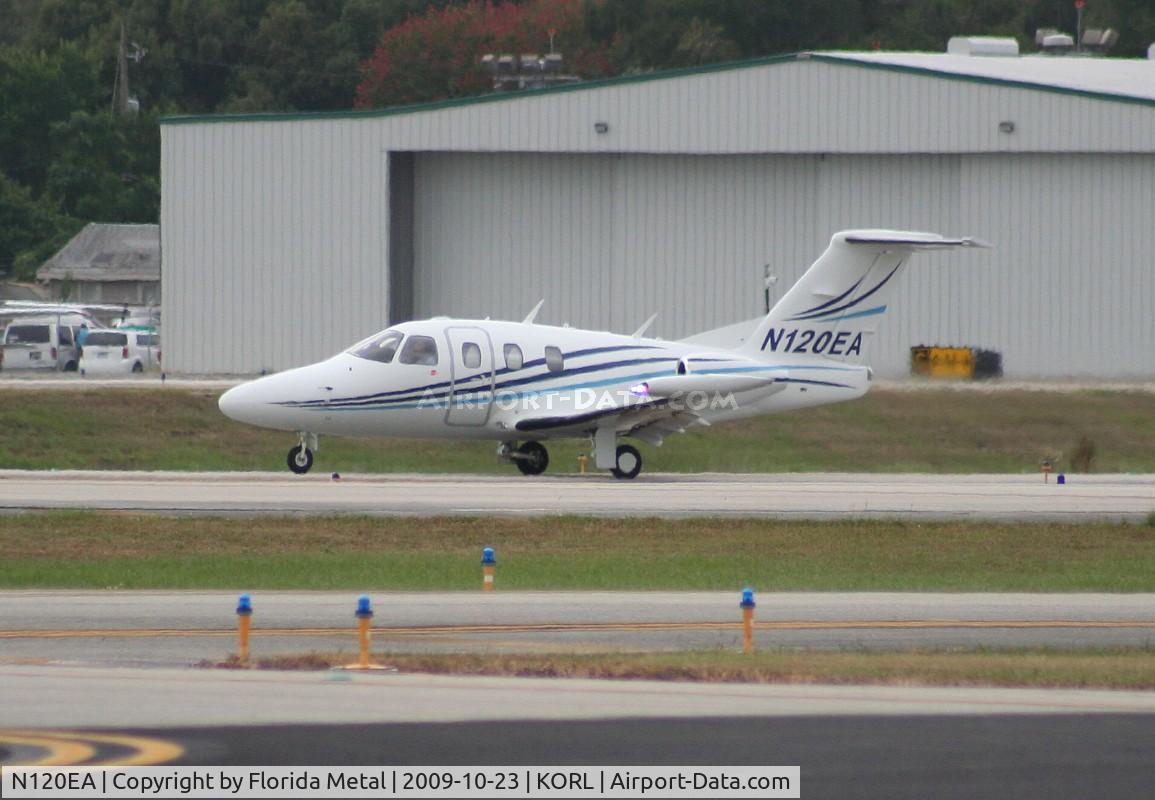
Eclipse EA500Registration
N120EA
MSN
199
Year of Manufacture
2008
Operator
UF EquipmentDate
August 21, 2015 at 02:20 PM
Type
CRASHFlight Type
Private
Flight Phase
Landing (descent or approach)
Crash Site
Airport (less than 10 km from airport)
Crash Location
Danbury Connecticut
Region
North America • United States of America
Coordinates
41.3948°, -73.4540°
Crash Cause
Human factor
Narrative Report
On August 21, 2015 at 02:20 PM, Oshkosh – Danbury experienced a crash involving Eclipse EA500, operated by UF Equipment, with the event recorded near Danbury Connecticut.
The flight was categorized as private and the reported phase was landing (descent or approach) at a airport (less than 10 km from airport) crash site.
3 people were known to be on board, 0 fatalities were recorded, 3 survivors were identified or estimated. This corresponds to an estimated fatality rate of 0.0%.
Crew on board: 1, crew fatalities: 0, passengers on board: 2, passenger fatalities: 0, other fatalities: 0.
The listed crash cause is human factor. **This report was modified on April 2, 2020. Please see the public docket for this accident to view the original report.** After the airplane touched down on the 4,422-ft-long runway, the airline transport pilot applied the brakes to decelerate; however, he did not think that the brakes were operating. He continued "pumping the brakes" and considered conducting a go-around; however, there was insufficient remaining runway to do so. The airplane subsequently continued off the end of the runway, impacted a berm, and came to rest upright, which resulted in substantial damage to the right wing. During postaccident examination of the airplane, brake pressure was obtained on both sets of brake pedals when they were depressed, and there was no bleed down or reduction in pedal firmness when the brakes were pumped several times. Examination revealed no evidence off any preimpact anomalies with the brake system that would have precluded normal operation. In addition, the pilot indicated that he was not aware of and was not trained on the use of the ALL INTERRUPT button, which is listed as a step in the Emergency Procedures section of the airplane flight manual and is used to disable the anti-skid brake system functions and restore normal braking when the brakes are ineffective; thus, the pilot did not follow proper checklist procedures. According to data downloaded from the airplane's diagnostic storage unit (DSU), the airplane touched down 1,280 ft beyond the runway threshold, which resulted in 2,408 ft of runway remaining (the runway had a displaced threshold of 734 ft) and that it traveled 2,600 ft before coming to rest about 200 ft past the runway. The airplane's touchdown speed was about 91 knots. Comparing DSU data from previous downloaded flights revealed that the airplane's calculated deceleration rate during the accident landing was indicative of braking performance as well as or better than the previous landings. Estimated landing distance calculations revealed that the airplane required about 3,063 ft when crossing the threshold at 50 ft above ground level. The target touchdown speed was 76 knots. However, the airplane touched down with only 2,408 ft of remaining runway faster than the target touchdown speed, which resulted in the runway overrun.
Aircraft reference details include registration N120EA, MSN 199, year of manufacture 2008.
Geospatial coordinates for this crash are approximately 41.3948°, -73.4540°.
Fatalities
Total
0
Crew
0
Passengers
0
Other
0
Crash Summary
**This report was modified on April 2, 2020. Please see the public docket for this accident to view the original report.** After the airplane touched down on the 4,422-ft-long runway, the airline transport pilot applied the brakes to decelerate; however, he did not think that the brakes were operating. He continued "pumping the brakes" and considered conducting a go-around; however, there was insufficient remaining runway to do so. The airplane subsequently continued off the end of the runway, impacted a berm, and came to rest upright, which resulted in substantial damage to the right wing. During postaccident examination of the airplane, brake pressure was obtained on both sets of brake pedals when they were depressed, and there was no bleed down or reduction in pedal firmness when the brakes were pumped several times. Examination revealed no evidence off any preimpact anomalies with the brake system that would have precluded normal operation. In addition, the pilot indicated that he was not aware of and was not trained on the use of the ALL INTERRUPT button, which is listed as a step in the Emergency Procedures section of the airplane flight manual and is used to disable the anti-skid brake system functions and restore normal braking when the brakes are ineffective; thus, the pilot did not follow proper checklist procedures. According to data downloaded from the airplane's diagnostic storage unit (DSU), the airplane touched down 1,280 ft beyond the runway threshold, which resulted in 2,408 ft of runway remaining (the runway had a displaced threshold of 734 ft) and that it traveled 2,600 ft before coming to rest about 200 ft past the runway. The airplane's touchdown speed was about 91 knots. Comparing DSU data from previous downloaded flights revealed that the airplane's calculated deceleration rate during the accident landing was indicative of braking performance as well as or better than the previous landings. Estimated landing distance calculations revealed that the airplane required about 3,063 ft when crossing the threshold at 50 ft above ground level. The target touchdown speed was 76 knots. However, the airplane touched down with only 2,408 ft of remaining runway faster than the target touchdown speed, which resulted in the runway overrun.
Cause: Human factor
Occupants & Outcome
Crew On Board
1
Passengers On Board
2
Estimated Survivors
3
Fatality Rate
0.0%
Known people on board: 3
Operational Details
Schedule / Flight
Oshkosh – Danbury
Operator
UF EquipmentFlight Type
Private
Flight Phase
Landing (descent or approach)
Crash Site
Airport (less than 10 km from airport)
Region / Country
North America • United States of America
Aircraft Details
Similar Plane Crashes
United States Signal Corps - USSC
De Havilland DH.4
The single engine airplane departed Dayton-McCook Field for a local test flight. Shortly after takeoff, the aircraft stalled and crashed, killing both occupants. Crew: Maj Oscar Brindley, Lt Col Henry Damm.
United States Signal Corps - USSC
De Havilland DH.4
Lt. Frank Stuart Patterson, son and nephew of the co-founders of National Cash Register, is killed in the crash of his DH.4M, AS-32098, at Wilbur Wright Field during a flight test of a new mechanism for synchronizing machine gun and propeller, when a tie rod breaks during a dive from 15,000 feet (4,600 m), causing the wings to separate from the aircraft. Wishing to recognize the contributions of the Patterson family (owners of NCR) the area of Wright Field east of Huffman Dam (including Wilbur Wright Field, Fairfield Air Depot, and the Huffman Prairie) is renamed Patterson Field on 6 July 1931, in honor of Lt. Patterson.
United States Signal Corps - USSC
De Havilland DH.4
The aircraft crashed in unknown circumstances.
United States Signal Corps - USSC
De Havilland DH.4
The crew was completing a training mission. At an altitude of about 4,000 feet, the aircraft entered a spin and crashed in an open field near Everman-Barron Field Airport. A crew was killed and the second occupants was injured. The aircraft was destroyed.
U.S. Air Mail Service
De Havilland DH.4
Crashed following an engine failure. Pilot fate unknown.
United States Signal Corps - USSC
De Havilland DH.4
The accident occurred in unknown circumstances.