
Bethel - Bethel
Flight / Schedule
Bethel - Bethel
Aircraft
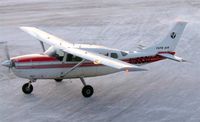
Cessna 207 Skywagon/StationairRegistration
N1653U
MSN
207-0253
Year of Manufacture
1974
Operator
Yute Air AlaskaDate
May 30, 2015 at 11:30 AM
Type
CRASHFlight Type
Test
Flight Phase
Flight
Crash Site
Lake, Sea, Ocean, River
Crash Location
Bethel Alaska
Region
North America • United States of America
Coordinates
60.7922°, -161.7558°
Crash Cause
Human factor
Narrative Report
On May 30, 2015 at 11:30 AM, Bethel - Bethel experienced a crash involving Cessna 207 Skywagon/Stationair, operated by Yute Air Alaska, with the event recorded near Bethel Alaska.
The flight was categorized as test and the reported phase was flight at a lake, sea, ocean, river crash site.
1 people were known to be on board, 1 fatalities were recorded, 0 survivors were identified or estimated. This corresponds to an estimated fatality rate of 100.0%.
Crew on board: 1, crew fatalities: 1, passengers on board: 0, passenger fatalities: 0, other fatalities: 0.
The listed crash cause is human factor. The pilot departed on a postmaintenance test flight during day visual meteorological conditions. According to the operator, the purpose of the flight was to break in six recently installed engine cylinders, and the flight was expected to last 3.5 hours. Recorded automatic dependent surveillance-broadcast data showed that the airplane was operating at altitudes of less than 500 ft mean sea level for the majority of the flight. The data ended about 3 hours after takeoff with the airplane located about 23 miles from the accident site. There were no witnesses to the accident, which occurred in a remote area. When the airplane did not return, the operator reported to the Federal Aviation Administration that the airplane was overdue. Searchers subsequently discovered the fragmented wreckage submerged in a swift moving river, about 40 miles southeast of the departure/destination airport. Postmortem toxicology tests identified 21% carboxyhemoglobin (carbon monoxide) in the pilot's blood. The pilot was a nonsmoker, and nonsmokers normally have no more than 3% carboxyhemoglobin. There was no evidence of postimpact fire; therefore, it is likely that the pilot's elevated carboxyhemoglobin level was from acute exposure to carbon monoxide during the 3 hours of flight time before the accident. As the pilot did not notify air traffic control or the operator's home base of any problems during the flight, it is unlikely that he was aware that there was carbon monoxide present. Early symptoms of carbon monoxide exposure may include headache, malaise, nausea, and dizziness. Carboxyhemoglobin levels between 10% and 20% can result in confusion, impaired judgment, and difficulty concentrating. While it is not possible to determine the exact symptoms the pilot experienced, it is likely that the pilot had symptoms that may have been distracting as well as some degree of impairment in his judgment and concentration. Given the low altitudes at which he was operating the airplane, he had little margin for error. Thus, it is likely that the carbon monoxide exposure adversely affected the pilot's performance and contributed to his failure to maintain clearance from the terrain. According to the operator, the airplane had a "winter heat kit" installed, which modified the airplane's original cabin heat system. The modification incorporated an additional exhaust/heat shroud system designed to provide increased cabin heat during wintertime operations. Review of maintenance records revealed that the modification had not been installed in accordance with Federal Aviation Administration field approval procedures. Examination of the recovered wreckage did not reveal evidence of any preexisting mechanical anomalies that would have precluded normal operation of the airplane. Examination of the airplane's right side exhaust/heat exchanger did not reveal any leaks or fractures that would have led to carbon monoxide in the cabin. Because the left side exhaust/heat exchanger was not recovered, it was not possible to determine whether it was the source of the carbon monoxide.
Aircraft reference details include registration N1653U, MSN 207-0253, year of manufacture 1974.
Geospatial coordinates for this crash are approximately 60.7922°, -161.7558°.
Fatalities
Total
1
Crew
1
Passengers
0
Other
0
Crash Summary
The pilot departed on a postmaintenance test flight during day visual meteorological conditions. According to the operator, the purpose of the flight was to break in six recently installed engine cylinders, and the flight was expected to last 3.5 hours. Recorded automatic dependent surveillance-broadcast data showed that the airplane was operating at altitudes of less than 500 ft mean sea level for the majority of the flight. The data ended about 3 hours after takeoff with the airplane located about 23 miles from the accident site. There were no witnesses to the accident, which occurred in a remote area. When the airplane did not return, the operator reported to the Federal Aviation Administration that the airplane was overdue. Searchers subsequently discovered the fragmented wreckage submerged in a swift moving river, about 40 miles southeast of the departure/destination airport. Postmortem toxicology tests identified 21% carboxyhemoglobin (carbon monoxide) in the pilot's blood. The pilot was a nonsmoker, and nonsmokers normally have no more than 3% carboxyhemoglobin. There was no evidence of postimpact fire; therefore, it is likely that the pilot's elevated carboxyhemoglobin level was from acute exposure to carbon monoxide during the 3 hours of flight time before the accident. As the pilot did not notify air traffic control or the operator's home base of any problems during the flight, it is unlikely that he was aware that there was carbon monoxide present. Early symptoms of carbon monoxide exposure may include headache, malaise, nausea, and dizziness. Carboxyhemoglobin levels between 10% and 20% can result in confusion, impaired judgment, and difficulty concentrating. While it is not possible to determine the exact symptoms the pilot experienced, it is likely that the pilot had symptoms that may have been distracting as well as some degree of impairment in his judgment and concentration. Given the low altitudes at which he was operating the airplane, he had little margin for error. Thus, it is likely that the carbon monoxide exposure adversely affected the pilot's performance and contributed to his failure to maintain clearance from the terrain. According to the operator, the airplane had a "winter heat kit" installed, which modified the airplane's original cabin heat system. The modification incorporated an additional exhaust/heat shroud system designed to provide increased cabin heat during wintertime operations. Review of maintenance records revealed that the modification had not been installed in accordance with Federal Aviation Administration field approval procedures. Examination of the recovered wreckage did not reveal evidence of any preexisting mechanical anomalies that would have precluded normal operation of the airplane. Examination of the airplane's right side exhaust/heat exchanger did not reveal any leaks or fractures that would have led to carbon monoxide in the cabin. Because the left side exhaust/heat exchanger was not recovered, it was not possible to determine whether it was the source of the carbon monoxide.
Cause: Human factor
Occupants & Outcome
Crew On Board
1
Passengers On Board
0
Estimated Survivors
0
Fatality Rate
100.0%
Known people on board: 1
Operational Details
Schedule / Flight
Bethel - Bethel
Operator
Yute Air AlaskaFlight Type
Test
Flight Phase
Flight
Crash Site
Lake, Sea, Ocean, River
Region / Country
North America • United States of America
Aircraft Details
Similar Plane Crashes
United States Signal Corps - USSC
De Havilland DH.4
The single engine airplane departed Dayton-McCook Field for a local test flight. Shortly after takeoff, the aircraft stalled and crashed, killing both occupants. Crew: Maj Oscar Brindley, Lt Col Henry Damm.
United States Signal Corps - USSC
De Havilland DH.4
Lt. Frank Stuart Patterson, son and nephew of the co-founders of National Cash Register, is killed in the crash of his DH.4M, AS-32098, at Wilbur Wright Field during a flight test of a new mechanism for synchronizing machine gun and propeller, when a tie rod breaks during a dive from 15,000 feet (4,600 m), causing the wings to separate from the aircraft. Wishing to recognize the contributions of the Patterson family (owners of NCR) the area of Wright Field east of Huffman Dam (including Wilbur Wright Field, Fairfield Air Depot, and the Huffman Prairie) is renamed Patterson Field on 6 July 1931, in honor of Lt. Patterson.
United States Signal Corps - USSC
De Havilland DH.4
The aircraft crashed in unknown circumstances.
United States Signal Corps - USSC
De Havilland DH.4
The crew was completing a training mission. At an altitude of about 4,000 feet, the aircraft entered a spin and crashed in an open field near Everman-Barron Field Airport. A crew was killed and the second occupants was injured. The aircraft was destroyed.
U.S. Air Mail Service
De Havilland DH.4
Crashed following an engine failure. Pilot fate unknown.
United States Signal Corps - USSC
De Havilland DH.4
The accident occurred in unknown circumstances.