
Atlanta – New York
Flight / Schedule
Atlanta – New York
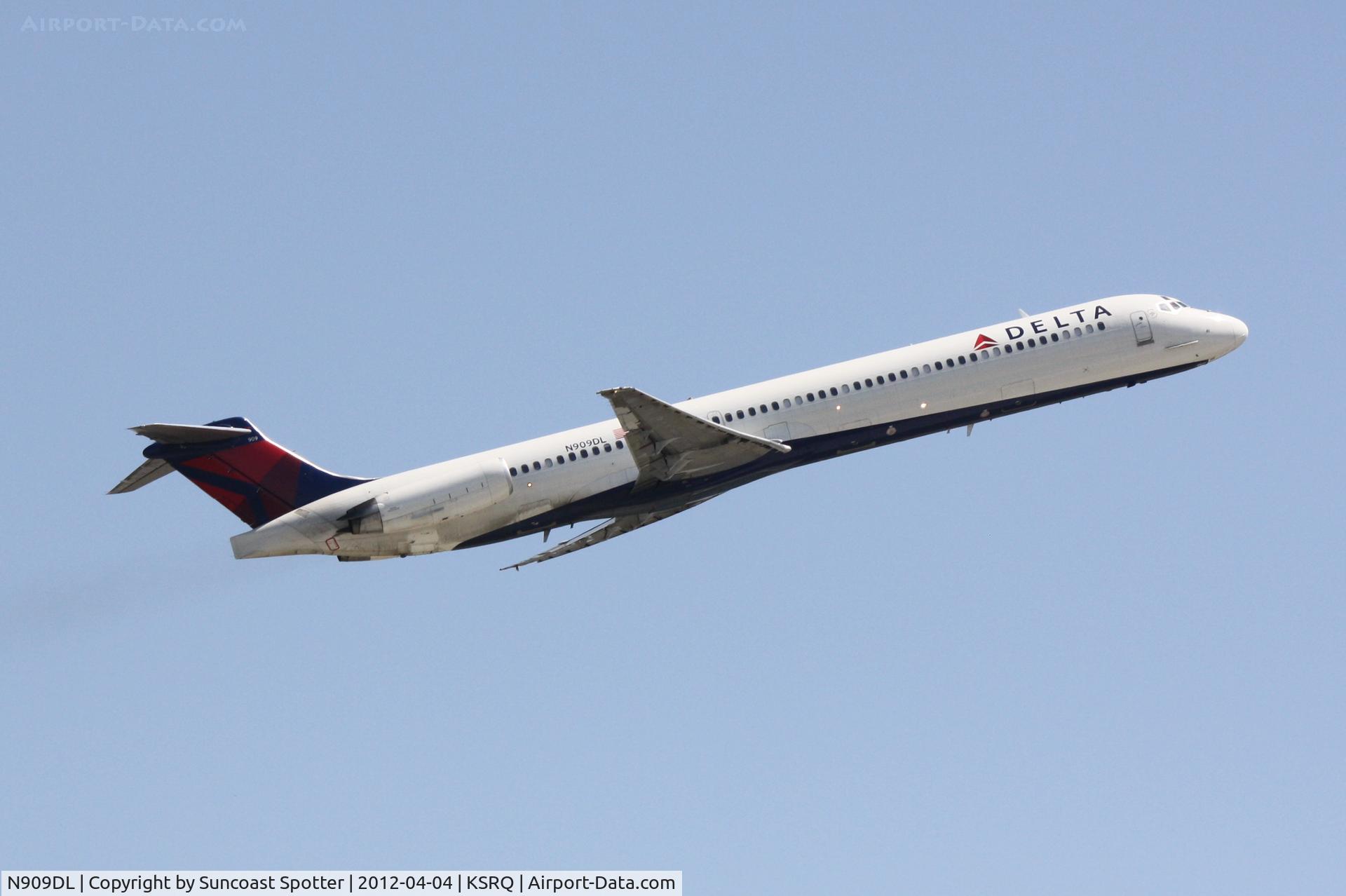
Aircraft
McDonnell Douglas MD-88Registration
N909DL
MSN
49540/1395
Year of Manufacture
1987
Operator
Delta AirlinesDate
March 5, 2015 at 11:02 AM
Type
CRASHFlight Type
Scheduled Revenue Flight
Flight Phase
Landing (descent or approach)
Crash Site
Airport (less than 10 km from airport)
Crash Location
New York-LaGuardia New York
Region
North America • United States of America
Crash Cause
Human factor
Narrative Report
On March 5, 2015 at 11:02 AM, Atlanta – New York experienced a crash involving McDonnell Douglas MD-88, operated by Delta Airlines, with the event recorded near New York-LaGuardia New York.
The flight was categorized as scheduled revenue flight and the reported phase was landing (descent or approach) at a airport (less than 10 km from airport) crash site.
130 people were known to be on board, 0 fatalities were recorded, 130 survivors were identified or estimated. This corresponds to an estimated fatality rate of 0.0%.
Crew on board: 5, crew fatalities: 0, passengers on board: 125, passenger fatalities: 0, other fatalities: 0.
The listed crash cause is human factor. The aircraft was landing on runway 13 at LaGuardia Airport (LGA), New York, New York, when it departed the left side of the runway, contacted the airport perimeter fence, and came to rest with the airplane’s nose on an embankment next to Flushing Bay. The 2 pilots, 3 flight attendants, and 98 of the 127 passengers were not injured; the other 29 passengers received minor injuries. The airplane was substantially damaged. Flight 1086 was a regularly scheduled passenger flight from Hartsfield-Jackson Atlanta International Airport, Atlanta, Georgia, operating under the provisions of 14 Code of Federal Regulations Part 121. An instrument flight rules flight plan had been filed. Instrument meteorological conditions prevailed at the time of the accident. The captain and the first officer were highly experienced MD-88 pilots. The captain had accumulated about 11,000 hours, and the first officer had accumulated about 3,000 hours, on the MD-88/-90. In addition, the captain was previously based at LGA and had made many landings there in winter weather conditions. The flight crew was concerned about the available landing distance on runway 13 and, while en route to LGA, spent considerable time analyzing the airplane’s stopping performance. The flight crew also requested braking action reports about 45 and 35 minutes before landing, but none were available at those times because of runway snow clearing operations. The unavailability of braking actions reports and the uncertainty about the runway’s condition created some situational stress for the captain, who was the pilot flying. After runway 13 became available for arriving airplanes, the flight crews of two preceding airplanes (which landed on the runway about 16 and 8 minutes before the accident landing) reported good braking action on the runway, so the flight crew expected to see at least some of the runway’s surface after the airplane broke out of the clouds. However, the flight crew saw that the runway was covered with snow, which was inconsistent with their expectations based on the braking action reports and the snow clearing operations that had concluded less than 30 minutes before the airplane landed. The snowier-than-expected runway, along with its relatively short length and the presence of Flushing Bay directly off the departure end of the runway, most likely increased the captain’s concerns about his ability to stop the airplane within the available runway distance, which exacerbated his situational stress. The captain made a relatively aggressive reverse thrust input almost immediately after touchdown. Reverse thrust is one of the methods that pilots use to decelerate the airplane during the landing roll. Reverse thrust settings are expressed as engine pressure ratio (EPR) values, which are measurements of engine power (the ratio of the pressure of the gases at the exhaust compared with the pressure of the air entering the inlet). Both pilots were aware that 1.3 EPR was the target setting for contaminated runways.As reverse thrust EPR was rapidly increasing, the captain’s attention was focused on other aspects of the landing, which included steering the airplane to counteract a slide to the left and ensuring that the spoilers had deployed (a necessary action for the autobrakes to engage). The maximum EPR values reached during the landing were 2.07 on the left engine and 1.91 on the right engine, which were much higher than the target setting of 1.3 EPR. These high EPR values likely resulted from a combination of the captain’s stress; his relatively aggressive reverse thrust input; and operational distractions, including the airplane’s continued slide to the left despite the captain’s efforts to steer it away from the snowbanks alongside the runway. All of these factors reduced the captain’s monitoring of EPR indications. The high EPR values caused rudder blanking (which occurs on MD-80 series airplanes when smooth airflow over the rudder is disrupted by high reverse thrust) and a subsequent loss of aerodynamic directional control. Although the captain stowed the thrust reversers and applied substantial right rudder, right nosewheel steering, and right manual braking, the airplane’s departure from the left side of the runway could not be avoided because directional control was regained too late to be effective.
Aircraft reference details include registration N909DL, MSN 49540/1395, year of manufacture 1987.
Fatalities
Total
0
Crew
0
Passengers
0
Other
0
Crash Summary
The aircraft was landing on runway 13 at LaGuardia Airport (LGA), New York, New York, when it departed the left side of the runway, contacted the airport perimeter fence, and came to rest with the airplane’s nose on an embankment next to Flushing Bay. The 2 pilots, 3 flight attendants, and 98 of the 127 passengers were not injured; the other 29 passengers received minor injuries. The airplane was substantially damaged. Flight 1086 was a regularly scheduled passenger flight from Hartsfield-Jackson Atlanta International Airport, Atlanta, Georgia, operating under the provisions of 14 Code of Federal Regulations Part 121. An instrument flight rules flight plan had been filed. Instrument meteorological conditions prevailed at the time of the accident. The captain and the first officer were highly experienced MD-88 pilots. The captain had accumulated about 11,000 hours, and the first officer had accumulated about 3,000 hours, on the MD-88/-90. In addition, the captain was previously based at LGA and had made many landings there in winter weather conditions. The flight crew was concerned about the available landing distance on runway 13 and, while en route to LGA, spent considerable time analyzing the airplane’s stopping performance. The flight crew also requested braking action reports about 45 and 35 minutes before landing, but none were available at those times because of runway snow clearing operations. The unavailability of braking actions reports and the uncertainty about the runway’s condition created some situational stress for the captain, who was the pilot flying. After runway 13 became available for arriving airplanes, the flight crews of two preceding airplanes (which landed on the runway about 16 and 8 minutes before the accident landing) reported good braking action on the runway, so the flight crew expected to see at least some of the runway’s surface after the airplane broke out of the clouds. However, the flight crew saw that the runway was covered with snow, which was inconsistent with their expectations based on the braking action reports and the snow clearing operations that had concluded less than 30 minutes before the airplane landed. The snowier-than-expected runway, along with its relatively short length and the presence of Flushing Bay directly off the departure end of the runway, most likely increased the captain’s concerns about his ability to stop the airplane within the available runway distance, which exacerbated his situational stress. The captain made a relatively aggressive reverse thrust input almost immediately after touchdown. Reverse thrust is one of the methods that pilots use to decelerate the airplane during the landing roll. Reverse thrust settings are expressed as engine pressure ratio (EPR) values, which are measurements of engine power (the ratio of the pressure of the gases at the exhaust compared with the pressure of the air entering the inlet). Both pilots were aware that 1.3 EPR was the target setting for contaminated runways.As reverse thrust EPR was rapidly increasing, the captain’s attention was focused on other aspects of the landing, which included steering the airplane to counteract a slide to the left and ensuring that the spoilers had deployed (a necessary action for the autobrakes to engage). The maximum EPR values reached during the landing were 2.07 on the left engine and 1.91 on the right engine, which were much higher than the target setting of 1.3 EPR. These high EPR values likely resulted from a combination of the captain’s stress; his relatively aggressive reverse thrust input; and operational distractions, including the airplane’s continued slide to the left despite the captain’s efforts to steer it away from the snowbanks alongside the runway. All of these factors reduced the captain’s monitoring of EPR indications. The high EPR values caused rudder blanking (which occurs on MD-80 series airplanes when smooth airflow over the rudder is disrupted by high reverse thrust) and a subsequent loss of aerodynamic directional control. Although the captain stowed the thrust reversers and applied substantial right rudder, right nosewheel steering, and right manual braking, the airplane’s departure from the left side of the runway could not be avoided because directional control was regained too late to be effective.
Cause: Human factor
Occupants & Outcome
Crew On Board
5
Passengers On Board
125
Estimated Survivors
130
Fatality Rate
0.0%
Known people on board: 130
Operational Details
Schedule / Flight
Atlanta – New York
Operator
Delta AirlinesFlight Type
Scheduled Revenue Flight
Flight Phase
Landing (descent or approach)
Crash Site
Airport (less than 10 km from airport)
Region / Country
North America • United States of America
Aircraft Details
Similar Plane Crashes
United States Signal Corps - USSC
De Havilland DH.4
The single engine airplane departed Dayton-McCook Field for a local test flight. Shortly after takeoff, the aircraft stalled and crashed, killing both occupants. Crew: Maj Oscar Brindley, Lt Col Henry Damm.
United States Signal Corps - USSC
De Havilland DH.4
Lt. Frank Stuart Patterson, son and nephew of the co-founders of National Cash Register, is killed in the crash of his DH.4M, AS-32098, at Wilbur Wright Field during a flight test of a new mechanism for synchronizing machine gun and propeller, when a tie rod breaks during a dive from 15,000 feet (4,600 m), causing the wings to separate from the aircraft. Wishing to recognize the contributions of the Patterson family (owners of NCR) the area of Wright Field east of Huffman Dam (including Wilbur Wright Field, Fairfield Air Depot, and the Huffman Prairie) is renamed Patterson Field on 6 July 1931, in honor of Lt. Patterson.
United States Signal Corps - USSC
De Havilland DH.4
The aircraft crashed in unknown circumstances.
United States Signal Corps - USSC
De Havilland DH.4
The crew was completing a training mission. At an altitude of about 4,000 feet, the aircraft entered a spin and crashed in an open field near Everman-Barron Field Airport. A crew was killed and the second occupants was injured. The aircraft was destroyed.
U.S. Air Mail Service
De Havilland DH.4
Crashed following an engine failure. Pilot fate unknown.
United States Signal Corps - USSC
De Havilland DH.4
The accident occurred in unknown circumstances.