
Great Barrier Island - Auckland
Flight / Schedule
Great Barrier Island - Auckland
Aircraft
Britten-Norman TrislanderRegistration
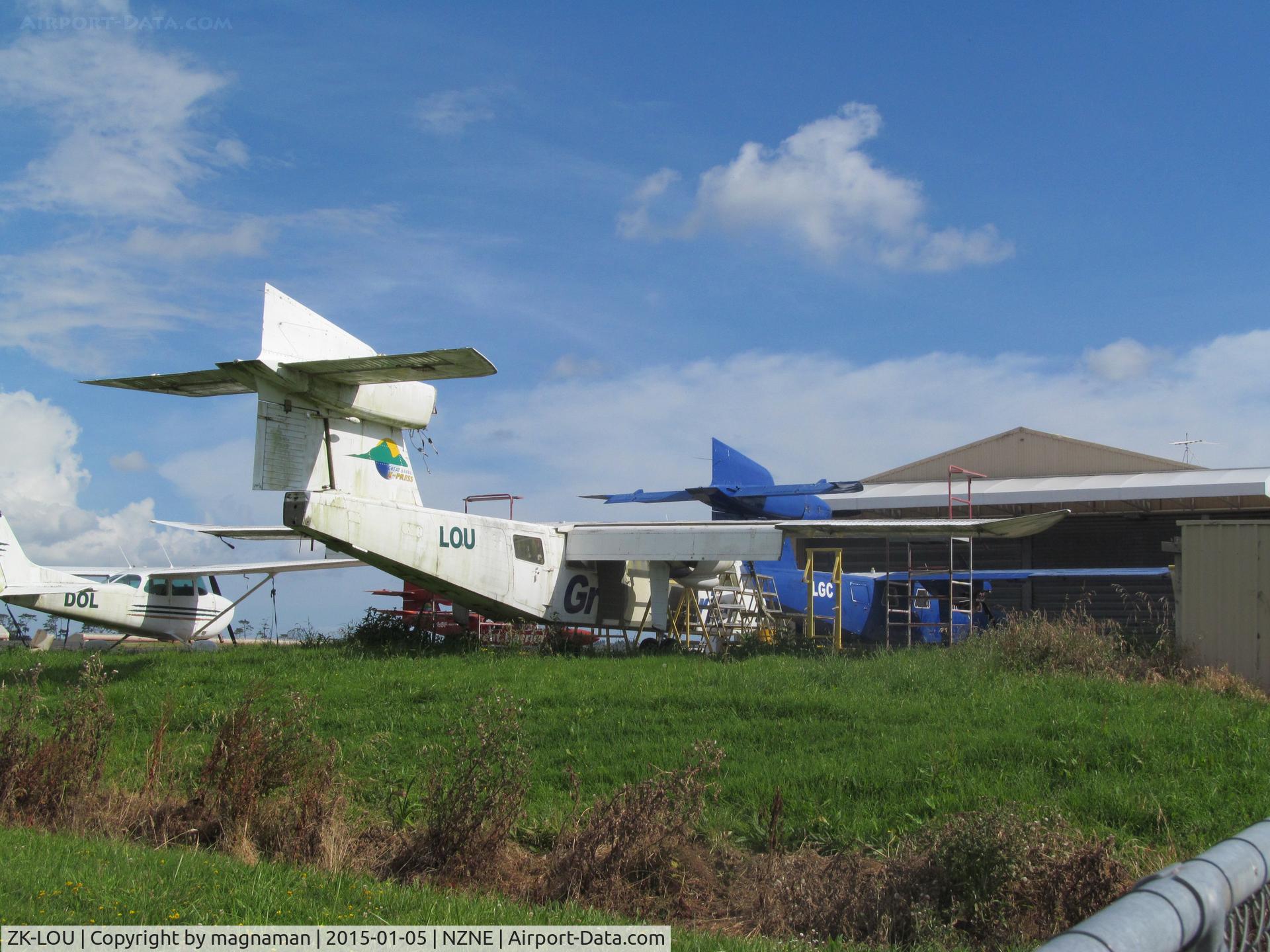
ZK-LOU
MSN
322
Year of Manufacture
1972
Operator
Great Barrier AirlinesDate
July 5, 2009 at 01:05 PM
Type
CRASHFlight Type
Scheduled Revenue Flight
Flight Phase
Takeoff (climb)
Crash Site
Airport (less than 10 km from airport)
Crash Location
Great Barrier Island Auckland Council
Region
Oceania • New Zealand
Crash Cause
Technical failure
Narrative Report
On July 5, 2009 at 01:05 PM, Great Barrier Island - Auckland experienced a crash involving Britten-Norman Trislander, operated by Great Barrier Airlines, with the event recorded near Great Barrier Island Auckland Council.
The flight was categorized as scheduled revenue flight and the reported phase was takeoff (climb) at a airport (less than 10 km from airport) crash site.
11 people were known to be on board, 0 fatalities were recorded, 11 survivors were identified or estimated. This corresponds to an estimated fatality rate of 0.0%.
Crew on board: 1, crew fatalities: 0, passengers on board: 10, passenger fatalities: 0, other fatalities: 0.
The listed crash cause is technical failure. At about 1300 on Sunday 5 July 2009, ZK-LOU, a 3-engined Britten Norman BN2A Mk III Trislander operated by Great Barrier Airlines (the company), took off from Great Barrier Aerodrome at Claris on Great Barrier Island on a regular service to Auckland International Airport. On board were 10 passengers and a pilot, all of whom were wearing their seat belts. That morning the pilot had flown a different Trislander from Auckland International Airport to Claris and swapped it for ZK-LOU for the return flight because it was needed for pilot training back in Auckland. Another company pilot had that morning flown ZK-LOU to Claris from North Shore Aerodrome. He had completed a full engine run-up for the first departure of the day, as was usual, and said he noticed nothing unusual with the aeroplane during the approximate 30-minute flight. For the return flight the pilot said he completed the normal after-start checks in ZK-LOU and noticed nothing abnormal. He did not do another full engine run-up because it was not required. He taxied the aeroplane to the start of sealed runway 28, applied full power while holding the aeroplane on brakes and rechecked that the engine gauges were indicating normally before starting the take-off roll. The aeroplane took off without incident, but the pilot said when it was climbing through about 500 feet he heard an unusual “pattering” sound. He also heard the propellers going out of synchronisation, so he attempted to resynchronise them with the propeller controls. He checked the engine’s gauges and noticed that the right engine manifold pressure and engine rotation speed had dropped, so he adjusted the engine and propeller controls to increase engine power. At that time there was a loud bang and he heard a passenger scream. Looking back to his right the pilot saw that the entire propeller assembly for the right engine was missing and that there was a lot of oil spray around the engine cowling. The pilot turned the aeroplane left and completed the engine failure and shutdown checks. He transmitted a distress call on the local area frequency and asked the other company pilot, who was airborne behind him, to alert the local company office that he was returning to Claris. The company office manager and other company pilot noticed nothing unusual with ZK-LOU as it taxied and took off. The other pilot was not concerned until he saw what looked like white smoke and debris emanate from the aeroplane as though it had struck a flock of birds. Despite the failure, ZK-LOU continued to climb, so the pilot said he levelled at about 800 feet and reduced power on the 2 serviceable engines, completed a left turn and crossed over the aerodrome and positioned right downwind for runway 28. There was quite a strong headwind for the landing, so the pilot elected to do a flapless landing and keep the power and speed up a little because of the possibility of some wind shear. The pilot and other personnel said that the cloud was scattered at about 2500 feet, that there were a few showers in the area and that the wind was about 15 to 20 knots along runway 28. The visibility was reported as good. After landing, the pilot stopped the aeroplane on the runway and checked on the passengers before taxiing to the apron. At the apron he shut down the other engines and helped the passengers to the terminal, where they were offered drinks. The company chief executive, who lived locally, and a local doctor attended to the passengers. Three of the passengers received some minor abrasions and scrapes from shattered Perspex and broken interior lining when the propeller struck the side of the fuselage.
Aircraft reference details include registration ZK-LOU, MSN 322, year of manufacture 1972.
Fatalities
Total
0
Crew
0
Passengers
0
Other
0
Crash Summary
At about 1300 on Sunday 5 July 2009, ZK-LOU, a 3-engined Britten Norman BN2A Mk III Trislander operated by Great Barrier Airlines (the company), took off from Great Barrier Aerodrome at Claris on Great Barrier Island on a regular service to Auckland International Airport. On board were 10 passengers and a pilot, all of whom were wearing their seat belts. That morning the pilot had flown a different Trislander from Auckland International Airport to Claris and swapped it for ZK-LOU for the return flight because it was needed for pilot training back in Auckland. Another company pilot had that morning flown ZK-LOU to Claris from North Shore Aerodrome. He had completed a full engine run-up for the first departure of the day, as was usual, and said he noticed nothing unusual with the aeroplane during the approximate 30-minute flight. For the return flight the pilot said he completed the normal after-start checks in ZK-LOU and noticed nothing abnormal. He did not do another full engine run-up because it was not required. He taxied the aeroplane to the start of sealed runway 28, applied full power while holding the aeroplane on brakes and rechecked that the engine gauges were indicating normally before starting the take-off roll. The aeroplane took off without incident, but the pilot said when it was climbing through about 500 feet he heard an unusual “pattering” sound. He also heard the propellers going out of synchronisation, so he attempted to resynchronise them with the propeller controls. He checked the engine’s gauges and noticed that the right engine manifold pressure and engine rotation speed had dropped, so he adjusted the engine and propeller controls to increase engine power. At that time there was a loud bang and he heard a passenger scream. Looking back to his right the pilot saw that the entire propeller assembly for the right engine was missing and that there was a lot of oil spray around the engine cowling. The pilot turned the aeroplane left and completed the engine failure and shutdown checks. He transmitted a distress call on the local area frequency and asked the other company pilot, who was airborne behind him, to alert the local company office that he was returning to Claris. The company office manager and other company pilot noticed nothing unusual with ZK-LOU as it taxied and took off. The other pilot was not concerned until he saw what looked like white smoke and debris emanate from the aeroplane as though it had struck a flock of birds. Despite the failure, ZK-LOU continued to climb, so the pilot said he levelled at about 800 feet and reduced power on the 2 serviceable engines, completed a left turn and crossed over the aerodrome and positioned right downwind for runway 28. There was quite a strong headwind for the landing, so the pilot elected to do a flapless landing and keep the power and speed up a little because of the possibility of some wind shear. The pilot and other personnel said that the cloud was scattered at about 2500 feet, that there were a few showers in the area and that the wind was about 15 to 20 knots along runway 28. The visibility was reported as good. After landing, the pilot stopped the aeroplane on the runway and checked on the passengers before taxiing to the apron. At the apron he shut down the other engines and helped the passengers to the terminal, where they were offered drinks. The company chief executive, who lived locally, and a local doctor attended to the passengers. Three of the passengers received some minor abrasions and scrapes from shattered Perspex and broken interior lining when the propeller struck the side of the fuselage.
Cause: Technical failure
Occupants & Outcome
Crew On Board
1
Passengers On Board
10
Estimated Survivors
11
Fatality Rate
0.0%
Known people on board: 11
Operational Details
Schedule / Flight
Great Barrier Island - Auckland
Operator
Great Barrier AirlinesFlight Type
Scheduled Revenue Flight
Flight Phase
Takeoff (climb)
Crash Site
Airport (less than 10 km from airport)
Region / Country
Oceania • New Zealand
Aircraft Details
Similar Plane Crashes
Walsh Brother's Flying School
Avro 504
The pilot was performing a sightseeing flight around New Plymouth. While approaching to land, the aircraft stalled and crashed near the aerodrome. All three occupants were killed. Crew: Captain Richard Russell, pilot Passengers: James Clarke, mayor of New Plymouth, Kathleen Warnock.
Canterbury Aviation
Avro 504
The pilot H. C. Grout was performing some demo flights in the region of Blenheim. After a stop in Kaikoura, he was positioning to his base in Christchurch. En route, the engine failed and he was forced to attempt an emergency landing. At low height, the airplane stalled and crashed in a wheat field near Motunau. Seriously injured, the pilot was evacuated to a local hospital but died from his injuries in the evening. The aircraft was destroyed.
Canterbury Aviation
Avro 504
Crashed in unknown circumstances near Wigram AFB. There were no casualties.
K. W. J. Hall
De Havilland DH.60 Moth
The single engine aircraft crashed in unknown circumstances in Waikari, north of Christchurch. The pilot and owner K. W. J. Hall was unhurt.
Aerial Services New Zealand
Dornier DO.12 Libelle
The crew was performing a local test flight out of Auckland when the engine misfired on approach. The seaplane stalled and crashed in the Mechanics Bay, off Milford Beach. The aircraft was destroyed and both occupants were killed. Crew: Don Harkness, pilot. Passenger: Charles Goldsbro.
Bryant House Airways
De Havilland DH.60 Moth
Captain A. W. Saunders was performing demo flights on the racecourse of Te Awamutu. With his passenger Alfred W. Minchin, he climbed to a height of 1,000 feet when the plane was seen to enter a spin. The spin was recovered from about 50 feet and the Moth was still diving when it impacted the ground. Both occupants were seriously injured and evacuated to the local hospital. While the passenger died from his injuries in the evening, the pilot died the following day. The aircraft was destroyed by impact forces.