
Van Nuys - Long Beach
Flight / Schedule
Van Nuys - Long Beach
Aircraft
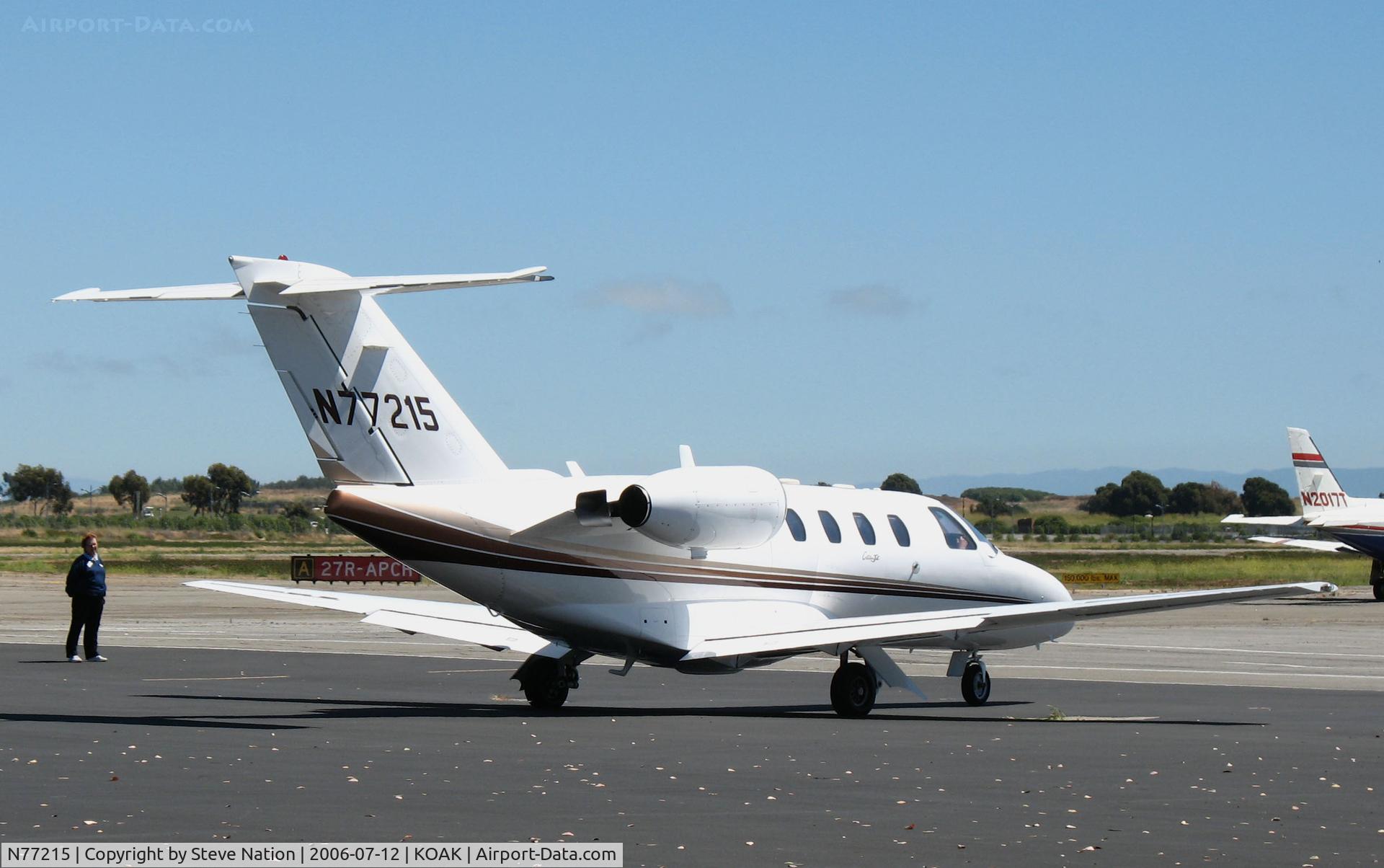
Cessna 525 CitationJet CJ1Registration
N77215
MSN
525-0149
Year of Manufacture
1996
Operator
Sun Quest Executive Air CharterDate
January 12, 2007 at 11:07 AM
Type
CRASHFlight Type
Positioning
Flight Phase
Takeoff (climb)
Crash Site
City
Crash Location
Van Nuys California
Region
North America • United States of America
Coordinates
34.1866°, -118.4487°
Crash Cause
Human factor
Narrative Report
On January 12, 2007 at 11:07 AM, Van Nuys - Long Beach experienced a crash involving Cessna 525 CitationJet CJ1, operated by Sun Quest Executive Air Charter, with the event recorded near Van Nuys California.
The flight was categorized as positioning and the reported phase was takeoff (climb) at a city crash site.
2 people were known to be on board, 2 fatalities were recorded, 0 survivors were identified or estimated. This corresponds to an estimated fatality rate of 100.0%.
Crew on board: 2, crew fatalities: 2, passengers on board: 0, passenger fatalities: 0, other fatalities: 0.
The listed crash cause is human factor. Line personnel reported that as the airplane was being fueled, the second pilot loaded more than one bag in the left front baggage compartment. With fueling complete, line personnel saw the second pilot pull the front left baggage door down, but not lock or latch it. Witnesses near midfield of the 8,001-foot long runway, reported that the airplane was airborne, and the front left baggage door was closed. Witnesses near the end of the runway, reported that the airplane was about 200 feet above ground level (agl) and they noted that the front left baggage door was open and standing straight up. All of the witnesses reported that the airplane turned slightly left, leveled off, and was slow. The airplane began to descend, and the wings were slightly rocking before it stalled, broke right, and collided with the terrain. Investigators found no anomalies with the airframe or engines that would have precluded normal operation. The forward baggage doors' design incorporates a key lock in the lower center of each door, and two latches in the left and right bottom section of the doors. There are two hinges in the upper left and right sections of the door. The handles latched the door to the door frame in the fuselage. The key would be in the horizontal position in an unlocked condition, and in the vertical position in a locked condition. The front left baggage door was found within the main wreckage debris field and had sustained mechanical and thermal damage. The key lock was in the horizontal position. Several instances of a baggage door opening in flight have been recorded in Cessna Citation airplanes. In some cases, the door separated, and in others it remained attached. The crews of these other airplanes returned to the airport and landed successfully.
Aircraft reference details include registration N77215, MSN 525-0149, year of manufacture 1996.
Geospatial coordinates for this crash are approximately 34.1866°, -118.4487°.
Fatalities
Total
2
Crew
2
Passengers
0
Other
0
Crash Summary
Line personnel reported that as the airplane was being fueled, the second pilot loaded more than one bag in the left front baggage compartment. With fueling complete, line personnel saw the second pilot pull the front left baggage door down, but not lock or latch it. Witnesses near midfield of the 8,001-foot long runway, reported that the airplane was airborne, and the front left baggage door was closed. Witnesses near the end of the runway, reported that the airplane was about 200 feet above ground level (agl) and they noted that the front left baggage door was open and standing straight up. All of the witnesses reported that the airplane turned slightly left, leveled off, and was slow. The airplane began to descend, and the wings were slightly rocking before it stalled, broke right, and collided with the terrain. Investigators found no anomalies with the airframe or engines that would have precluded normal operation. The forward baggage doors' design incorporates a key lock in the lower center of each door, and two latches in the left and right bottom section of the doors. There are two hinges in the upper left and right sections of the door. The handles latched the door to the door frame in the fuselage. The key would be in the horizontal position in an unlocked condition, and in the vertical position in a locked condition. The front left baggage door was found within the main wreckage debris field and had sustained mechanical and thermal damage. The key lock was in the horizontal position. Several instances of a baggage door opening in flight have been recorded in Cessna Citation airplanes. In some cases, the door separated, and in others it remained attached. The crews of these other airplanes returned to the airport and landed successfully.
Cause: Human factor
Occupants & Outcome
Crew On Board
2
Passengers On Board
0
Estimated Survivors
0
Fatality Rate
100.0%
Known people on board: 2
Operational Details
Schedule / Flight
Van Nuys - Long Beach
Operator
Sun Quest Executive Air CharterFlight Type
Positioning
Flight Phase
Takeoff (climb)
Crash Site
City
Region / Country
North America • United States of America
Aircraft Details
Similar Plane Crashes
United States Signal Corps - USSC
De Havilland DH.4
The single engine airplane departed Dayton-McCook Field for a local test flight. Shortly after takeoff, the aircraft stalled and crashed, killing both occupants. Crew: Maj Oscar Brindley, Lt Col Henry Damm.
United States Signal Corps - USSC
De Havilland DH.4
Lt. Frank Stuart Patterson, son and nephew of the co-founders of National Cash Register, is killed in the crash of his DH.4M, AS-32098, at Wilbur Wright Field during a flight test of a new mechanism for synchronizing machine gun and propeller, when a tie rod breaks during a dive from 15,000 feet (4,600 m), causing the wings to separate from the aircraft. Wishing to recognize the contributions of the Patterson family (owners of NCR) the area of Wright Field east of Huffman Dam (including Wilbur Wright Field, Fairfield Air Depot, and the Huffman Prairie) is renamed Patterson Field on 6 July 1931, in honor of Lt. Patterson.
United States Signal Corps - USSC
De Havilland DH.4
The aircraft crashed in unknown circumstances.
United States Signal Corps - USSC
De Havilland DH.4
The crew was completing a training mission. At an altitude of about 4,000 feet, the aircraft entered a spin and crashed in an open field near Everman-Barron Field Airport. A crew was killed and the second occupants was injured. The aircraft was destroyed.
U.S. Air Mail Service
De Havilland DH.4
Crashed following an engine failure. Pilot fate unknown.
United States Signal Corps - USSC
De Havilland DH.4
The accident occurred in unknown circumstances.