
Kaitaia - Kaitaia
Flight / Schedule
Kaitaia - Kaitaia
Aircraft
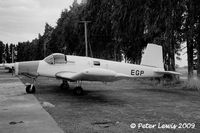
Fletcher FU-24Registration
ZK-EGP
MSN
238
Year of Manufacture
1977
Operator
Private New ZealandDate
March 31, 2006 at 01:45 PM
Type
CRASHFlight Type
Spraying (Agricultural)
Flight Phase
Flight
Crash Site
Mountains
Crash Location
Kaitaia Northland Regional Council
Region
Oceania • New Zealand
Crash Cause
Human factor
Narrative Report
On March 31, 2006 at 01:45 PM, Kaitaia - Kaitaia experienced a crash involving Fletcher FU-24, operated by Private New Zealand, with the event recorded near Kaitaia Northland Regional Council.
The flight was categorized as spraying (agricultural) and the reported phase was flight at a mountains crash site.
1 people were known to be on board, 1 fatalities were recorded, 0 survivors were identified or estimated. This corresponds to an estimated fatality rate of 100.0%.
Crew on board: 1, crew fatalities: 1, passengers on board: 0, passenger fatalities: 0, other fatalities: 0.
The listed crash cause is human factor. On Friday 31 March 2006 the pilot intended to carry out topdressing on properties near a steep hill range nine kilometres to the south-west of Kaitaia. The day’s activities commenced at approximately 0600 hours when the pilot and loaderdriver met at Kaitaia aerodrome. The pilot and loader-driver flew in the aircraft from the aerodrome to a farm airstrip located on the back of a hill range near the Pukepoto Quarry where the fertiliser-loading truck had been parked overnight. The topdressing operation began in the morning with spreading approximately 25 tonnes of superphosphate on nearby farmland which was stored in the fertiliser bins next to the airstrip. As the last of the superphosphate was being spread, a consignment of fresh lime was delivered by a trucking contractor. The topdressing operation continued with the spreading of the lime on another property near the base of the hill range, about three kilometres from the airstrip. At around 1000 hours, while waiting on another delivery of lime by the trucking contractor, the pilot and loader-driver flew in the aircraft to another airstrip about 20 km to the south-east near Broadwood. They repositioned a fertiliser-loading truck located at this airstrip to another airstrip near Pawarenga, in anticipation of the next day’s topdressing. The pilot and loader-driver then flew back to the original farm airstrip near the Pukepoto Quarry, arriving at approximately 1100 hours. At about this time the pilot received a cell phone call from his supervising Chief Pilot. During the conversation he asked the Chief Pilot for his advice about the best direction for spreading lime on the land that he was currently working on. The pilot also commented about how the lime was ‘hanging up’ and not flowing easily from the aircraft’s hopper. The Chief Pilot cautioned the pilot about the poor flow properties of new lime and advised him to spread the lime in line with the hill range, not up the slope. The topdressing operation then resumed until all the lime in the fertiliser bin had been used. The pilot and loader-driver then stopped for lunch during which time the aircraft was refuelled and another truckload of lime was delivered. The pilot had commented to the loader-driver during lunch that the lime was still hanging up in the aircraft’s hopper. He was finding that he needed to complete about two passes to clear the entire load from the hopper. Just before starting the afternoon’s topdressing flights, the pilot had a conversation on his cell phone with a bank manager in Auckland. The conversation concerned the financial position of his topdressing business. The loader-driver reported that the pilot became very agitated during the conversation, but appeared to calm down prior to beginning the afternoon’s flying. The farm-owner observed the aircraft on its first flight of the afternoon as it completed the first two passes. He was aware that the aircraft had flown further away after these two passes and assumed the aircraft was returning to the airstrip for a second load of lime. He did not notice anything abnormal about the aircraft. Other witnesses reported that the aircraft flew parallel with a plantation of 30-40 metre high trees towards the rising hill range. The closest eye witness reported seeing what appeared to be fertiliser dropping from the aircraft as it flew along the tree line up the slope. The dropping of the fertiliser then stopped at which point the aircraft was seen entering a steep right hand turn away from the slope whilst descending towards the ground. The aircraft disappeared in to tall bush on the hillside and witnesses heard the aircraft impact the ground. A large smoke-like cloud was then seen rising up through the bush. On hearing the impact, the farm-owner and a local share-milker from a nearby farm searched the hillside for the aircraft. The aircraft was obscured by the tall bush and was initially difficult to locate. The share-milker made his way down the hillside through the bush to the aircraft. He quickly realised that the pilot was deceased. The farmer-owner went to alert the emergency services, however another property owner who had heard the aircraft strike the ground and seen the smoke had already telephoned the New Zealand Police. The accident occurred in daylight, at approximately 1345 hours NZDT, 9 km south-west of Kaitaia at an elevation of 880 feet AMSL. Latitude: S 35° 10' 26.1", longitude: E 173° 11' 29.4"; grid reference: NZMS 260 N05 283698.
Aircraft reference details include registration ZK-EGP, MSN 238, year of manufacture 1977.
Fatalities
Total
1
Crew
1
Passengers
0
Other
0
Crash Summary
On Friday 31 March 2006 the pilot intended to carry out topdressing on properties near a steep hill range nine kilometres to the south-west of Kaitaia. The day’s activities commenced at approximately 0600 hours when the pilot and loaderdriver met at Kaitaia aerodrome. The pilot and loader-driver flew in the aircraft from the aerodrome to a farm airstrip located on the back of a hill range near the Pukepoto Quarry where the fertiliser-loading truck had been parked overnight. The topdressing operation began in the morning with spreading approximately 25 tonnes of superphosphate on nearby farmland which was stored in the fertiliser bins next to the airstrip. As the last of the superphosphate was being spread, a consignment of fresh lime was delivered by a trucking contractor. The topdressing operation continued with the spreading of the lime on another property near the base of the hill range, about three kilometres from the airstrip. At around 1000 hours, while waiting on another delivery of lime by the trucking contractor, the pilot and loader-driver flew in the aircraft to another airstrip about 20 km to the south-east near Broadwood. They repositioned a fertiliser-loading truck located at this airstrip to another airstrip near Pawarenga, in anticipation of the next day’s topdressing. The pilot and loader-driver then flew back to the original farm airstrip near the Pukepoto Quarry, arriving at approximately 1100 hours. At about this time the pilot received a cell phone call from his supervising Chief Pilot. During the conversation he asked the Chief Pilot for his advice about the best direction for spreading lime on the land that he was currently working on. The pilot also commented about how the lime was ‘hanging up’ and not flowing easily from the aircraft’s hopper. The Chief Pilot cautioned the pilot about the poor flow properties of new lime and advised him to spread the lime in line with the hill range, not up the slope. The topdressing operation then resumed until all the lime in the fertiliser bin had been used. The pilot and loader-driver then stopped for lunch during which time the aircraft was refuelled and another truckload of lime was delivered. The pilot had commented to the loader-driver during lunch that the lime was still hanging up in the aircraft’s hopper. He was finding that he needed to complete about two passes to clear the entire load from the hopper. Just before starting the afternoon’s topdressing flights, the pilot had a conversation on his cell phone with a bank manager in Auckland. The conversation concerned the financial position of his topdressing business. The loader-driver reported that the pilot became very agitated during the conversation, but appeared to calm down prior to beginning the afternoon’s flying. The farm-owner observed the aircraft on its first flight of the afternoon as it completed the first two passes. He was aware that the aircraft had flown further away after these two passes and assumed the aircraft was returning to the airstrip for a second load of lime. He did not notice anything abnormal about the aircraft. Other witnesses reported that the aircraft flew parallel with a plantation of 30-40 metre high trees towards the rising hill range. The closest eye witness reported seeing what appeared to be fertiliser dropping from the aircraft as it flew along the tree line up the slope. The dropping of the fertiliser then stopped at which point the aircraft was seen entering a steep right hand turn away from the slope whilst descending towards the ground. The aircraft disappeared in to tall bush on the hillside and witnesses heard the aircraft impact the ground. A large smoke-like cloud was then seen rising up through the bush. On hearing the impact, the farm-owner and a local share-milker from a nearby farm searched the hillside for the aircraft. The aircraft was obscured by the tall bush and was initially difficult to locate. The share-milker made his way down the hillside through the bush to the aircraft. He quickly realised that the pilot was deceased. The farmer-owner went to alert the emergency services, however another property owner who had heard the aircraft strike the ground and seen the smoke had already telephoned the New Zealand Police. The accident occurred in daylight, at approximately 1345 hours NZDT, 9 km south-west of Kaitaia at an elevation of 880 feet AMSL. Latitude: S 35° 10' 26.1", longitude: E 173° 11' 29.4"; grid reference: NZMS 260 N05 283698.
Cause: Human factor
Occupants & Outcome
Crew On Board
1
Passengers On Board
0
Estimated Survivors
0
Fatality Rate
100.0%
Known people on board: 1
Operational Details
Schedule / Flight
Kaitaia - Kaitaia
Operator
Private New ZealandFlight Type
Spraying (Agricultural)
Flight Phase
Flight
Crash Site
Mountains
Region / Country
Oceania • New Zealand
Aircraft Details
Similar Plane Crashes
Walsh Brother's Flying School
Avro 504
The pilot was performing a sightseeing flight around New Plymouth. While approaching to land, the aircraft stalled and crashed near the aerodrome. All three occupants were killed. Crew: Captain Richard Russell, pilot Passengers: James Clarke, mayor of New Plymouth, Kathleen Warnock.
Canterbury Aviation
Avro 504
The pilot H. C. Grout was performing some demo flights in the region of Blenheim. After a stop in Kaikoura, he was positioning to his base in Christchurch. En route, the engine failed and he was forced to attempt an emergency landing. At low height, the airplane stalled and crashed in a wheat field near Motunau. Seriously injured, the pilot was evacuated to a local hospital but died from his injuries in the evening. The aircraft was destroyed.
Canterbury Aviation
Avro 504
Crashed in unknown circumstances near Wigram AFB. There were no casualties.
K. W. J. Hall
De Havilland DH.60 Moth
The single engine aircraft crashed in unknown circumstances in Waikari, north of Christchurch. The pilot and owner K. W. J. Hall was unhurt.
Aerial Services New Zealand
Dornier DO.12 Libelle
The crew was performing a local test flight out of Auckland when the engine misfired on approach. The seaplane stalled and crashed in the Mechanics Bay, off Milford Beach. The aircraft was destroyed and both occupants were killed. Crew: Don Harkness, pilot. Passenger: Charles Goldsbro.
Bryant House Airways
De Havilland DH.60 Moth
Captain A. W. Saunders was performing demo flights on the racecourse of Te Awamutu. With his passenger Alfred W. Minchin, he climbed to a height of 1,000 feet when the plane was seen to enter a spin. The spin was recovered from about 50 feet and the Moth was still diving when it impacted the ground. Both occupants were seriously injured and evacuated to the local hospital. While the passenger died from his injuries in the evening, the pilot died the following day. The aircraft was destroyed by impact forces.