
Paris - Toronto
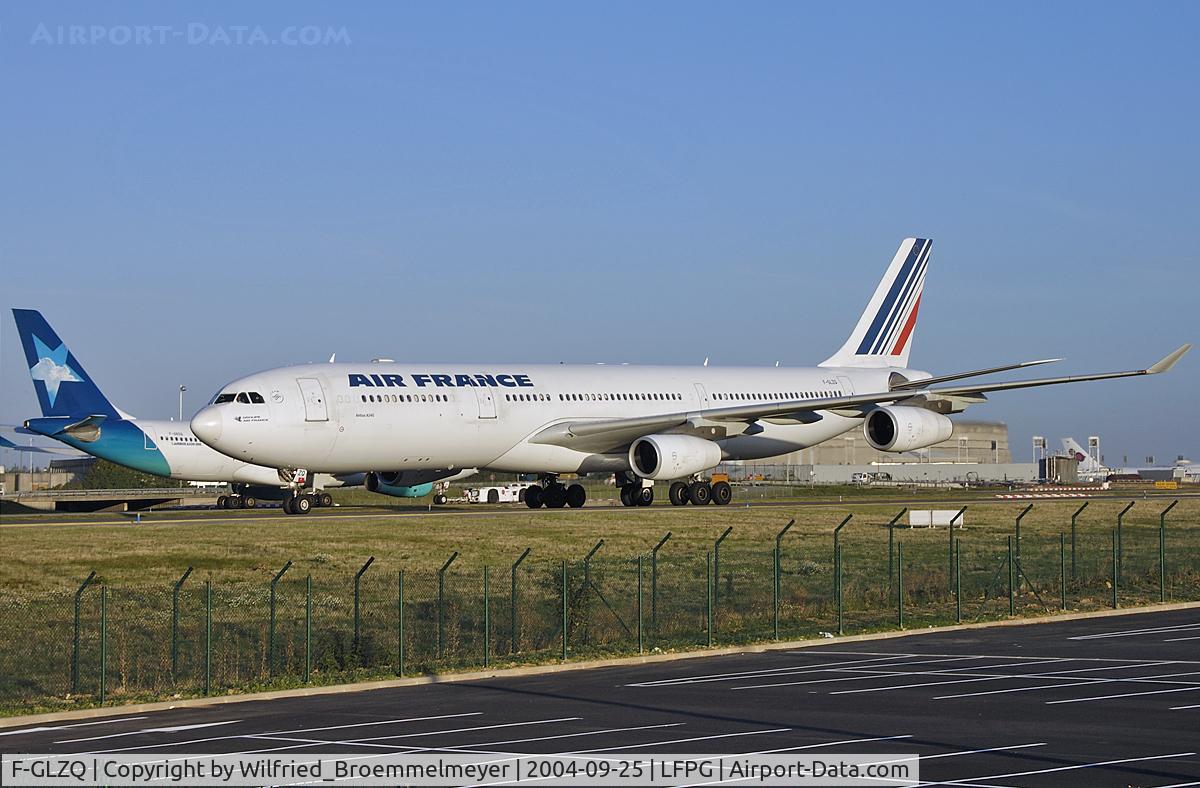
Flight / Schedule
Paris - Toronto
Aircraft
Airbus A340-300Registration
F-GLZQ
MSN
289
Year of Manufacture
1999
Operator
Air FranceDate
August 2, 2005 at 04:02 PM
Type
CRASHFlight Type
Scheduled Revenue Flight
Flight Phase
Landing (descent or approach)
Crash Site
Airport (less than 10 km from airport)
Crash Location
Toronto-Lester Bowles Pearson Ontario
Region
North America • Canada
Crash Cause
Human factor
Narrative Report
On August 2, 2005 at 04:02 PM, Paris - Toronto experienced a crash involving Airbus A340-300, operated by Air France, with the event recorded near Toronto-Lester Bowles Pearson Ontario.
The flight was categorized as scheduled revenue flight and the reported phase was landing (descent or approach) at a airport (less than 10 km from airport) crash site.
309 people were known to be on board, 0 fatalities were recorded, 309 survivors were identified or estimated. This corresponds to an estimated fatality rate of 0.0%.
Crew on board: 12, crew fatalities: 0, passengers on board: 297, passenger fatalities: 0, other fatalities: 0.
The listed crash cause is human factor. The Air France Airbus A340-313 aircraft (registration F-GLZQ, serial number 0289) departed Paris, France, at 1153 Coordinated Universal Time (UTC) as Air France Flight 358 on a scheduled flight to Toronto, Ontario, with 297 passengers and 12 crew members on board. Before departure, the flight crew members obtained their arrival weather forecast, which included the possibility of thunderstorms. While approaching Toronto, the flight crew members were advised of weather-related delays. On final approach, they were advised that the crew of an aircraft landing ahead of them had reported poor braking action, and Air France Flight 358’s aircraft weather radar was displaying heavy precipitation encroaching on the runway from the northwest. At about 200 feet above the runway threshold, while on the instrument landing system approach to Runway 24L with autopilot and autothrust disconnected, the aircraft deviated above the glideslope and the groundspeed began to increase. The aircraft crossed the runway threshold about 40 feet above the glideslope. During the flare, the aircraft travelled through an area of heavy rain, and visual contact with the runway environment was significantly reduced. There were numerous lightning strikes occurring, particularly at the far end of the runway. The aircraft touched down about 3800 feet down the runway, reverse thrust was selected about 12.8 seconds after landing, and full reverse was selected 16.4 seconds after touchdown. The aircraft was not able to stop on the 9000-foot runway and departed the far end at a ground speed of about 80 knots. The aircraft stopped in a ravine at 2002 UTC (1602 eastern daylight time) and caught fire. All passengers and crew members were able to evacuate the aircraft before the fire reached the escape routes. A total of 2 crew members and 10 passengers were seriously injured during the crash and the ensuing evacuation.
Aircraft reference details include registration F-GLZQ, MSN 289, year of manufacture 1999.
Fatalities
Total
0
Crew
0
Passengers
0
Other
0
Crash Summary
The Air France Airbus A340-313 aircraft (registration F-GLZQ, serial number 0289) departed Paris, France, at 1153 Coordinated Universal Time (UTC) as Air France Flight 358 on a scheduled flight to Toronto, Ontario, with 297 passengers and 12 crew members on board. Before departure, the flight crew members obtained their arrival weather forecast, which included the possibility of thunderstorms. While approaching Toronto, the flight crew members were advised of weather-related delays. On final approach, they were advised that the crew of an aircraft landing ahead of them had reported poor braking action, and Air France Flight 358’s aircraft weather radar was displaying heavy precipitation encroaching on the runway from the northwest. At about 200 feet above the runway threshold, while on the instrument landing system approach to Runway 24L with autopilot and autothrust disconnected, the aircraft deviated above the glideslope and the groundspeed began to increase. The aircraft crossed the runway threshold about 40 feet above the glideslope. During the flare, the aircraft travelled through an area of heavy rain, and visual contact with the runway environment was significantly reduced. There were numerous lightning strikes occurring, particularly at the far end of the runway. The aircraft touched down about 3800 feet down the runway, reverse thrust was selected about 12.8 seconds after landing, and full reverse was selected 16.4 seconds after touchdown. The aircraft was not able to stop on the 9000-foot runway and departed the far end at a ground speed of about 80 knots. The aircraft stopped in a ravine at 2002 UTC (1602 eastern daylight time) and caught fire. All passengers and crew members were able to evacuate the aircraft before the fire reached the escape routes. A total of 2 crew members and 10 passengers were seriously injured during the crash and the ensuing evacuation.
Cause: Human factor
Occupants & Outcome
Crew On Board
12
Passengers On Board
297
Estimated Survivors
309
Fatality Rate
0.0%
Known people on board: 309
Operational Details
Schedule / Flight
Paris - Toronto
Operator
Air FranceFlight Type
Scheduled Revenue Flight
Flight Phase
Landing (descent or approach)
Crash Site
Airport (less than 10 km from airport)
Region / Country
North America • Canada
Aircraft Details
Similar Plane Crashes
Royal Canadian Air Force - RCAF
Avro 504
The pilot, sole on board, was completing a local training flight at Camp Borden Airport. The airplane crashed on takeoff. The pilot was rescued.
Royal Canadian Air Force - RCAF
De Havilland DH.9
Crashed in unknown circumstances.
Canadian Aircraft Company
Avro 504
On approach to Fort Frances, the aircraft stalled and crashed. Both occupants were injured.
Bishop-Barker Aeroplanes
Curtiss HS-2L
Hit tree tops and crashed in Brooklin, north of Oshawa, Ontario. Crew fate unknown.
Vancouver Island Aerial Service
Curtiss JN-4
En route from Alert Bay to Prince Rupert, the pilot Lt Harry W. Brown encountered an unexpected situation and was forced to ditch the aircraft off Nalau Island. He survived by paddling a log into the shipping lane and was picked up by a passing Alaskan steamer. The aircraft was lost.
Royal Canadian Air Force - RCAF
De Havilland DH.9
Crashed in unknown circumstances. Crew fate unknown.