
Broomfield - Broomfield
Flight / Schedule
Broomfield - Broomfield
Aircraft
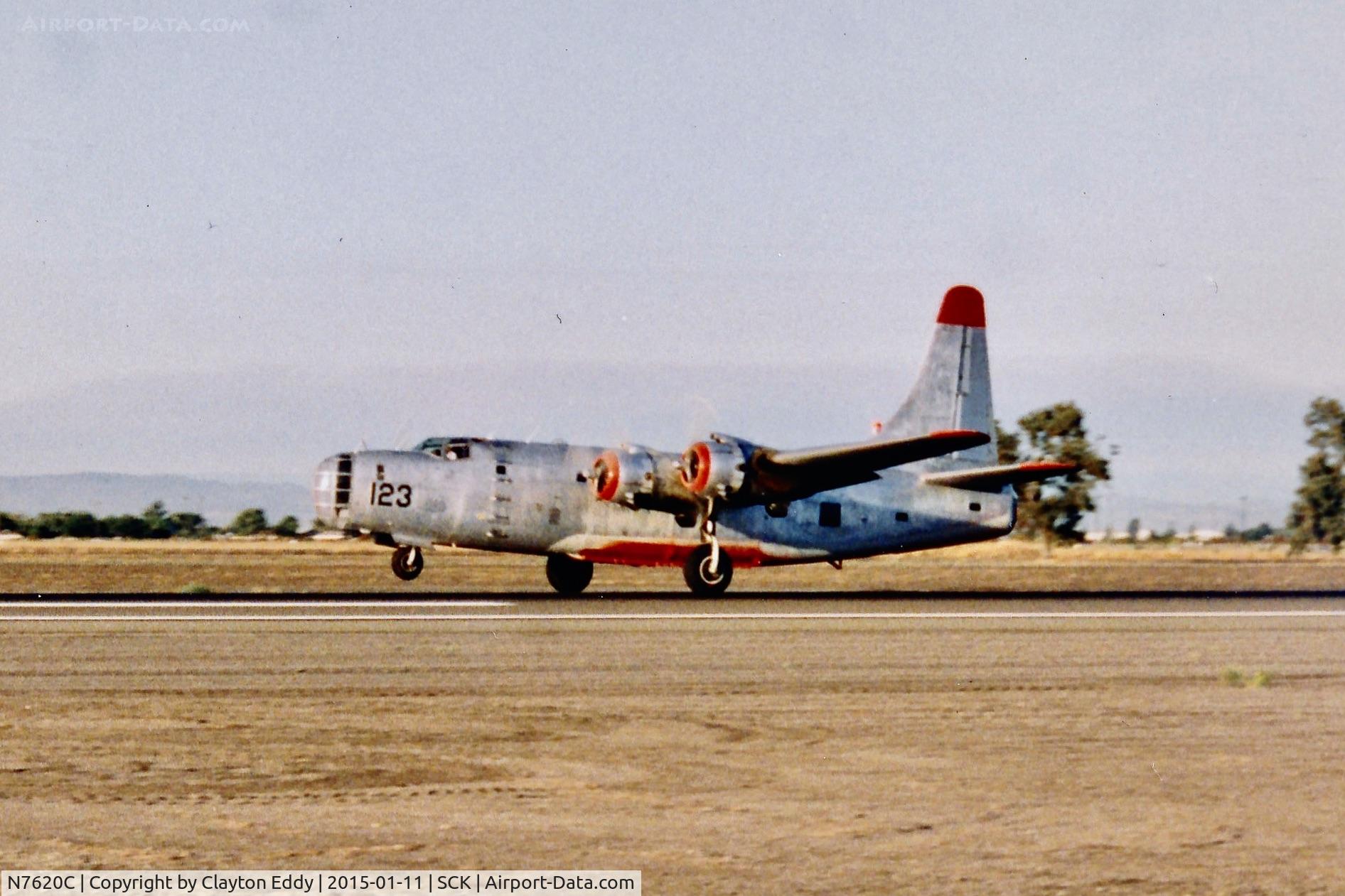
Consolidated PB4Y-2 PrivateerRegistration
N7620C
MSN
66260
Year of Manufacture
1944
Operator
Hawkins %26 Powers AviationDate
July 18, 2002 at 06:40 PM
Type
CRASHFlight Type
Fire fighting
Flight Phase
Flight
Crash Site
Mountains
Crash Location
Estes Park Colorado
Region
North America • United States of America
Coordinates
40.3364°, -105.5311°
Crash Cause
Human factor
Narrative Report
On July 18, 2002 at 06:40 PM, Broomfield - Broomfield experienced a crash involving Consolidated PB4Y-2 Privateer, operated by Hawkins %26 Powers Aviation, with the event recorded near Estes Park Colorado.
The flight was categorized as fire fighting and the reported phase was flight at a mountains crash site.
2 people were known to be on board, 2 fatalities were recorded, 0 survivors were identified or estimated. This corresponds to an estimated fatality rate of 100.0%.
Crew on board: 2, crew fatalities: 2, passengers on board: 0, passenger fatalities: 0, other fatalities: 0.
The listed crash cause is human factor. The airplane was maneuvering to deliver fire retardant when its left wing separated. Aircraft control was lost and the airplane crashed into mountainous terrain. A witness on the ground took a series of photographs that showed the air tanker's left wing separating at the wing root and the remaining airplane entering a 45-degree dive to the ground in a counterclockwise roll. An examination of the airplane wreckage revealed extensive areas of preexisting fatigue in the left wing's forward spar lower spar cap, the adjacent spar web, and the adjacent area of the lower wing skin. The portion of the wing containing the fatigue crack was obscured by the retardant tanks and would not have been detectable by an exterior visual inspection. An examination of two other air tankers of the same make and model revealed the area where the failure occurred on the accident airplane was in a location masked by the airplane's fuselage construction. The airplane was manufactured in 1945 and was in military service until 1956. It was not designed with the intention of operating as a firefighting airplane. In 1958, the airplane was converted to civilian use as an airtanker and served in that capacity until the time of the accident. The investigation revealed that the owner developed service and inspection procedures for the airtanker; however, the information contained in the procedures did not adequately describe where and how to inspect for critical fatigue cracks. The procedures were based on U.S Navy PB4Y-2 airplane structural repair manuals that had not been revised since 1948.
Aircraft reference details include registration N7620C, MSN 66260, year of manufacture 1944.
Geospatial coordinates for this crash are approximately 40.3364°, -105.5311°.
Fatalities
Total
2
Crew
2
Passengers
0
Other
0
Crash Summary
The airplane was maneuvering to deliver fire retardant when its left wing separated. Aircraft control was lost and the airplane crashed into mountainous terrain. A witness on the ground took a series of photographs that showed the air tanker's left wing separating at the wing root and the remaining airplane entering a 45-degree dive to the ground in a counterclockwise roll. An examination of the airplane wreckage revealed extensive areas of preexisting fatigue in the left wing's forward spar lower spar cap, the adjacent spar web, and the adjacent area of the lower wing skin. The portion of the wing containing the fatigue crack was obscured by the retardant tanks and would not have been detectable by an exterior visual inspection. An examination of two other air tankers of the same make and model revealed the area where the failure occurred on the accident airplane was in a location masked by the airplane's fuselage construction. The airplane was manufactured in 1945 and was in military service until 1956. It was not designed with the intention of operating as a firefighting airplane. In 1958, the airplane was converted to civilian use as an airtanker and served in that capacity until the time of the accident. The investigation revealed that the owner developed service and inspection procedures for the airtanker; however, the information contained in the procedures did not adequately describe where and how to inspect for critical fatigue cracks. The procedures were based on U.S Navy PB4Y-2 airplane structural repair manuals that had not been revised since 1948.
Cause: Human factor
Occupants & Outcome
Crew On Board
2
Passengers On Board
0
Estimated Survivors
0
Fatality Rate
100.0%
Known people on board: 2
Operational Details
Schedule / Flight
Broomfield - Broomfield
Operator
Hawkins %26 Powers AviationFlight Type
Fire fighting
Flight Phase
Flight
Crash Site
Mountains
Region / Country
North America • United States of America
Aircraft Details
Similar Plane Crashes
United States Signal Corps - USSC
De Havilland DH.4
The single engine airplane departed Dayton-McCook Field for a local test flight. Shortly after takeoff, the aircraft stalled and crashed, killing both occupants. Crew: Maj Oscar Brindley, Lt Col Henry Damm.
United States Signal Corps - USSC
De Havilland DH.4
Lt. Frank Stuart Patterson, son and nephew of the co-founders of National Cash Register, is killed in the crash of his DH.4M, AS-32098, at Wilbur Wright Field during a flight test of a new mechanism for synchronizing machine gun and propeller, when a tie rod breaks during a dive from 15,000 feet (4,600 m), causing the wings to separate from the aircraft. Wishing to recognize the contributions of the Patterson family (owners of NCR) the area of Wright Field east of Huffman Dam (including Wilbur Wright Field, Fairfield Air Depot, and the Huffman Prairie) is renamed Patterson Field on 6 July 1931, in honor of Lt. Patterson.
United States Signal Corps - USSC
De Havilland DH.4
The aircraft crashed in unknown circumstances.
United States Signal Corps - USSC
De Havilland DH.4
The crew was completing a training mission. At an altitude of about 4,000 feet, the aircraft entered a spin and crashed in an open field near Everman-Barron Field Airport. A crew was killed and the second occupants was injured. The aircraft was destroyed.
U.S. Air Mail Service
De Havilland DH.4
Crashed following an engine failure. Pilot fate unknown.
United States Signal Corps - USSC
De Havilland DH.4
The accident occurred in unknown circumstances.