
Unalaska - Anchorage
Flight / Schedule
Unalaska - Anchorage
Aircraft
Douglas DC-3Registration
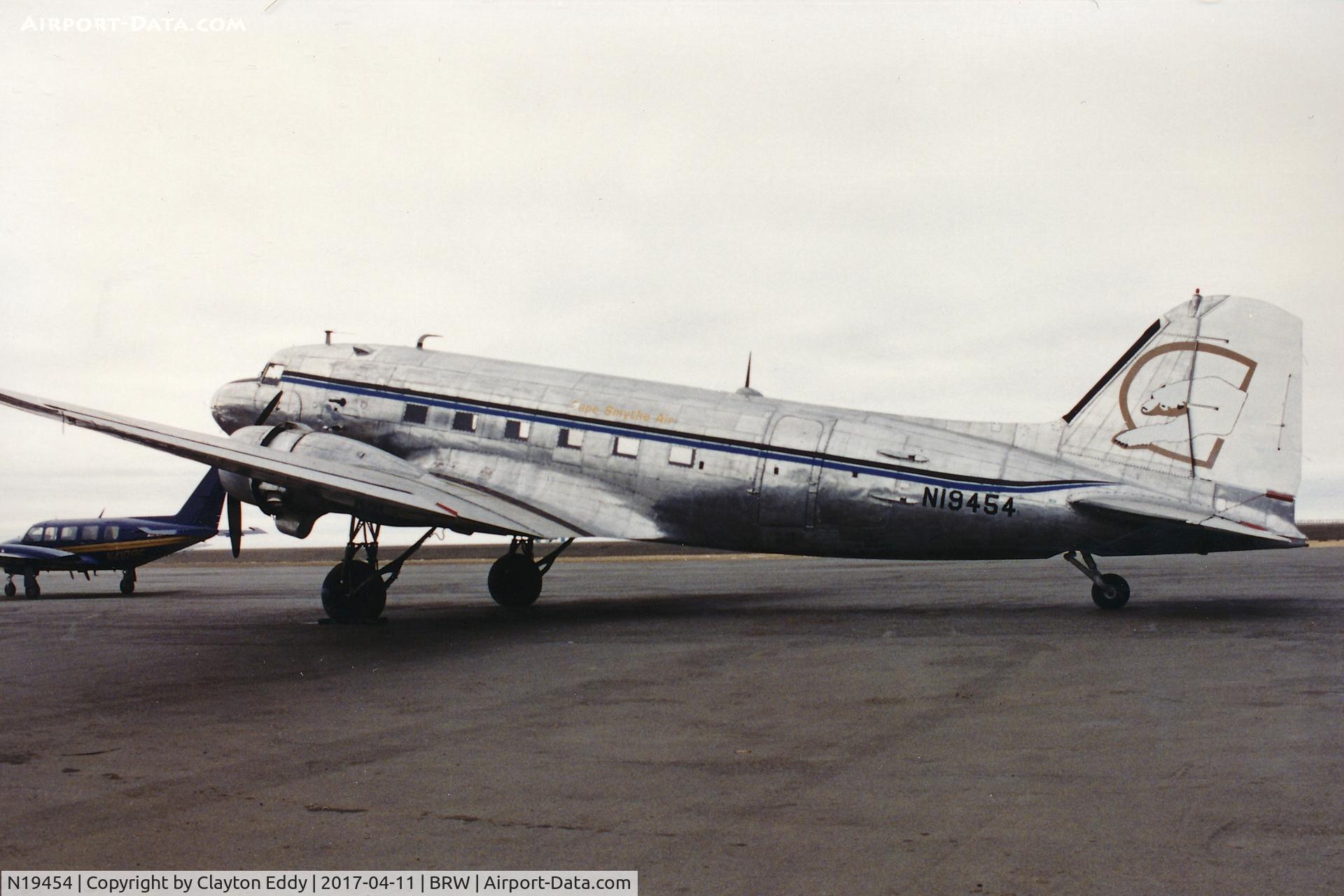
N19454
MSN
25309
Year of Manufacture
1944
Operator
Majestic Air CargoDate
January 23, 2001 at 09:35 PM
Type
CRASHFlight Type
Cargo
Flight Phase
Takeoff (climb)
Crash Site
Mountains
Crash Location
Unalaska Alaska
Region
North America • United States of America
Coordinates
53.8736°, -166.5329°
Crash Cause
Human factor
Narrative Report
On January 23, 2001 at 09:35 PM, Unalaska - Anchorage experienced a crash involving Douglas DC-3, operated by Majestic Air Cargo, with the event recorded near Unalaska Alaska.
The flight was categorized as cargo and the reported phase was takeoff (climb) at a mountains crash site.
2 people were known to be on board, 2 fatalities were recorded, 0 survivors were identified or estimated. This corresponds to an estimated fatality rate of 100.0%.
Crew on board: 2, crew fatalities: 2, passengers on board: 0, passenger fatalities: 0, other fatalities: 0.
The listed crash cause is human factor. A Douglas DC-3 airplane departed an island runway during dark night, VFR conditions without filing a flight plan. The airplane collided with a volcanic mountain at 1,500 feet msl on the runway heading, 4.5 miles from the airport. Earlier in the day, the airplane arrived from Anchorage, Alaska, without a flight plan, having flown along the Alaska Peninsula when VFR flight was not recommended. The crew of the airplane initially planned to remain overnight on the peninsula, but the captain received a request to transport cargo to Anchorage. The airplane was loaded with cargo and fuel, and departed. The crew did not file a flight plan. The end of the departure runway is positioned at the edge of an ocean bay. Beyond the end of the runway, open water and rising volcanic island terrain are present. In the area of intended flight, no illumination of the terrain, or any ground based lighting was present. An obstacle departure procedure for the departure runway recommends a right turn at 2 DME from the runway heading, and then a climb to 7,000 feet. Forty-five minutes after departure, a fire was spotted on the side of a volcano cone, and an ELT signal was detected in the area. No company flight following procedures were found for the accident flight, and the airplane was not reported overdue until the following day. The day after the accident, the airplane wreckage was located on steep, snow-covered terrain. Due to high winds and blowing snow, a rescue team could not get to the accident site until three days after the crash. The captain was the president, the director of operations, and the sole corporate entity of the company. No current maintenance records, flight logs, or pilot logs were located for the company. In the past, the captain's pilot certificate was suspended for 45 days following an accident in a DC-3 airplane when he ran out of gas. Also, the captain's medical certificate had previously been considered for denial after serving 49 months in federal prison for cocaine distribution, but after review, the FAA issued the captain a first class medical. FAA medical records for the captain do not contain any record of monitoring for substance abuse. The first officer's medical had also been considered for denial after an episode of a loss of consciousness. After a lengthy review and an appeal to the NTSB, the FAA issued the first officer a second-class medical. The first officer was part of the flight crew when the captain ran out of gas, and she had two previous aviation accidents. A toxicological examination of the captain, conducted by the FAA, found cocaine and metabolites of cocaine. A toxicological examination of the first officer found two different prescription antidepressant drugs. The FAA prohibits narcotic and mood-altering drug use by pilots.
Aircraft reference details include registration N19454, MSN 25309, year of manufacture 1944.
Geospatial coordinates for this crash are approximately 53.8736°, -166.5329°.
Fatalities
Total
2
Crew
2
Passengers
0
Other
0
Crash Summary
A Douglas DC-3 airplane departed an island runway during dark night, VFR conditions without filing a flight plan. The airplane collided with a volcanic mountain at 1,500 feet msl on the runway heading, 4.5 miles from the airport. Earlier in the day, the airplane arrived from Anchorage, Alaska, without a flight plan, having flown along the Alaska Peninsula when VFR flight was not recommended. The crew of the airplane initially planned to remain overnight on the peninsula, but the captain received a request to transport cargo to Anchorage. The airplane was loaded with cargo and fuel, and departed. The crew did not file a flight plan. The end of the departure runway is positioned at the edge of an ocean bay. Beyond the end of the runway, open water and rising volcanic island terrain are present. In the area of intended flight, no illumination of the terrain, or any ground based lighting was present. An obstacle departure procedure for the departure runway recommends a right turn at 2 DME from the runway heading, and then a climb to 7,000 feet. Forty-five minutes after departure, a fire was spotted on the side of a volcano cone, and an ELT signal was detected in the area. No company flight following procedures were found for the accident flight, and the airplane was not reported overdue until the following day. The day after the accident, the airplane wreckage was located on steep, snow-covered terrain. Due to high winds and blowing snow, a rescue team could not get to the accident site until three days after the crash. The captain was the president, the director of operations, and the sole corporate entity of the company. No current maintenance records, flight logs, or pilot logs were located for the company. In the past, the captain's pilot certificate was suspended for 45 days following an accident in a DC-3 airplane when he ran out of gas. Also, the captain's medical certificate had previously been considered for denial after serving 49 months in federal prison for cocaine distribution, but after review, the FAA issued the captain a first class medical. FAA medical records for the captain do not contain any record of monitoring for substance abuse. The first officer's medical had also been considered for denial after an episode of a loss of consciousness. After a lengthy review and an appeal to the NTSB, the FAA issued the first officer a second-class medical. The first officer was part of the flight crew when the captain ran out of gas, and she had two previous aviation accidents. A toxicological examination of the captain, conducted by the FAA, found cocaine and metabolites of cocaine. A toxicological examination of the first officer found two different prescription antidepressant drugs. The FAA prohibits narcotic and mood-altering drug use by pilots.
Cause: Human factor
Occupants & Outcome
Crew On Board
2
Passengers On Board
0
Estimated Survivors
0
Fatality Rate
100.0%
Known people on board: 2
Operational Details
Schedule / Flight
Unalaska - Anchorage
Operator
Majestic Air CargoFlight Type
Cargo
Flight Phase
Takeoff (climb)
Crash Site
Mountains
Region / Country
North America • United States of America
Aircraft Details
Similar Plane Crashes
United States Signal Corps - USSC
De Havilland DH.4
The single engine airplane departed Dayton-McCook Field for a local test flight. Shortly after takeoff, the aircraft stalled and crashed, killing both occupants. Crew: Maj Oscar Brindley, Lt Col Henry Damm.
United States Signal Corps - USSC
De Havilland DH.4
Lt. Frank Stuart Patterson, son and nephew of the co-founders of National Cash Register, is killed in the crash of his DH.4M, AS-32098, at Wilbur Wright Field during a flight test of a new mechanism for synchronizing machine gun and propeller, when a tie rod breaks during a dive from 15,000 feet (4,600 m), causing the wings to separate from the aircraft. Wishing to recognize the contributions of the Patterson family (owners of NCR) the area of Wright Field east of Huffman Dam (including Wilbur Wright Field, Fairfield Air Depot, and the Huffman Prairie) is renamed Patterson Field on 6 July 1931, in honor of Lt. Patterson.
United States Signal Corps - USSC
De Havilland DH.4
The aircraft crashed in unknown circumstances.
United States Signal Corps - USSC
De Havilland DH.4
The crew was completing a training mission. At an altitude of about 4,000 feet, the aircraft entered a spin and crashed in an open field near Everman-Barron Field Airport. A crew was killed and the second occupants was injured. The aircraft was destroyed.
U.S. Air Mail Service
De Havilland DH.4
Crashed following an engine failure. Pilot fate unknown.
United States Signal Corps - USSC
De Havilland DH.4
The accident occurred in unknown circumstances.