
Paris – New York
Flight / Schedule
Paris – New York
Aircraft
Aérospatiale-BAC ConcordeRegistration
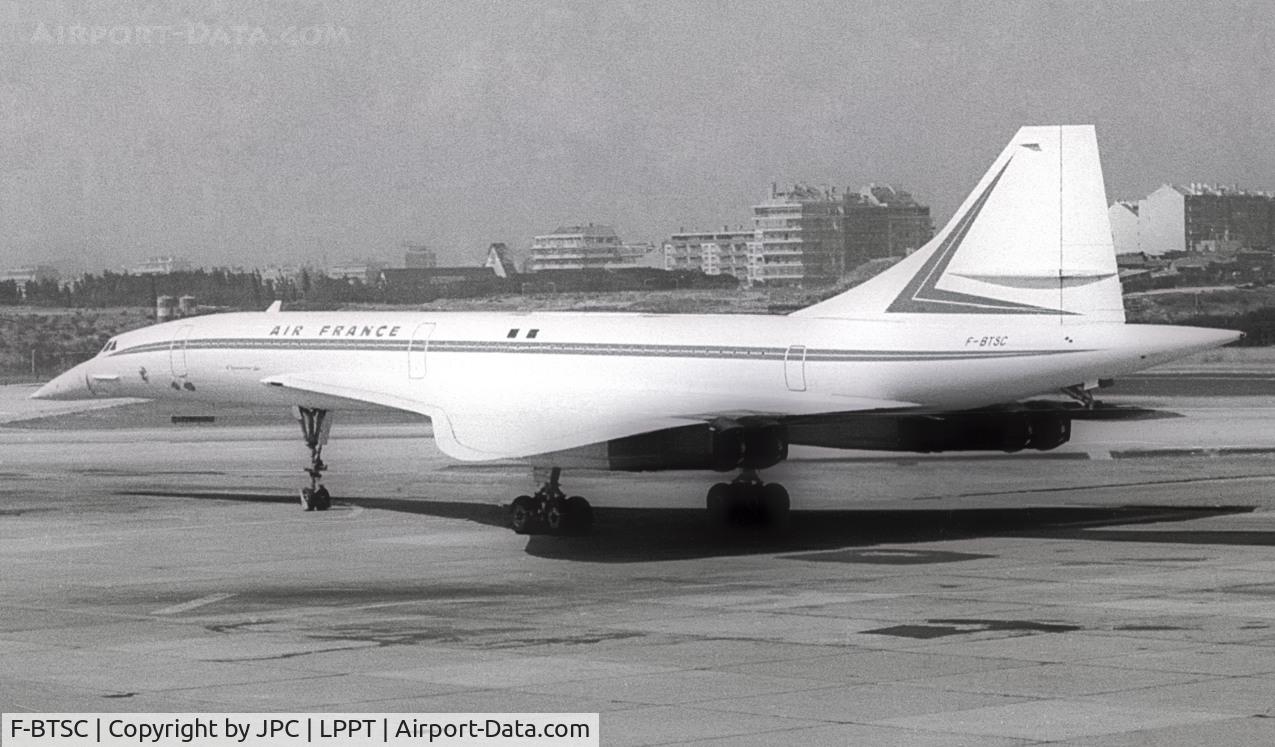
F-BTSC
MSN
203
Year of Manufacture
1975
Operator
Air FranceDate
July 25, 2000 at 04:44 PM
Type
CRASHFlight Type
Charter/Taxi (Non Scheduled Revenue Flight)
Flight Phase
Takeoff (climb)
Crash Site
City
Crash Location
Gonesse Val-d'Oise
Region
Europe • France
Coordinates
48.9895°, 2.4301°
Crash Cause
Technical failure
Narrative Report
On July 25, 2000 at 04:44 PM, Paris – New York experienced a crash involving Aérospatiale-BAC Concorde, operated by Air France, with the event recorded near Gonesse Val-d'Oise.
The flight was categorized as charter/taxi (non scheduled revenue flight) and the reported phase was takeoff (climb) at a city crash site.
109 people were known to be on board, 113 fatalities were recorded, 0 survivors were identified or estimated. This corresponds to an estimated fatality rate of 103.7%.
Crew on board: 9, crew fatalities: 9, passengers on board: 100, passenger fatalities: 100, other fatalities: 4.
The listed crash cause is technical failure. On Tuesday 25 July 2000 the Concorde registered F-BTSC, operated by Air France, took off from Paris Charles de Gaulle to undertake charter flight AF4590 to New York with nine crew members (3 FC, 6 CC) and 100 passengers on board. The Captain was Pilot Flying (PF), the First Officer was Pilot Not Flying (PNF). The total weights of the aircraft and of the fuel on board stated by the Flight Engineer (FE) at the time the aircraft started out were 186.9 t and 95 t respectively. The speeds selected by the crew were V1: 150 kt, VR: 198 kt, V2: 220 kt. At 13 h 58 min 27 s, the crew contacted ATC on the Flight data frequency and requested the whole length of runway 26 right for a takeoff at 14 h 30. At 14 h 07 min 22 s, the controller gave start-up clearance and confirmed runway 26 right for takeoff. At 14 h 34 min 38 s, the Ground controller cleared the aircraft to taxi towards the runway 26 right holding point via the Romeo taxiway. At 14 h 40 min 02 s, the Loc Sud controller cleared 4590 to line up. At 14 h 42 min 17 s, he gave it takeoff clearance, and announced a wind from 090° at 8kt. The crew read back the takeoff clearance. The FE stated that the aircraft had used eight hundred kilos of fuel during taxiing. At 14 h 42 min 31 s, the PF commenced takeoff. At 14 h 42 min 54.6 s, the PNF called one hundred knots, then V1 nine seconds later. A few seconds after that, tyre No 2 (right front) on the left main landing gear was destroyed after having run over a piece of metal lost by an aircraft that had taken off five minutes before. The destruction of the tyre in all probability resulted in large pieces of rubber being thrown against the underside of the left wing and the rupture of a part of tank 5. A severe fire broke out under the left wing and around the same time engines 1 and 2 suffered a loss of thrust, severe for engine 2, slight for engine 1. By 14 h 43 min 13 s, as the PF commenced the rotation, the controller informed the crew the presence of flames behind the aircraft. The PNF acknowledged this transmission and the FE announced the failure of engine 2. The recorded parameters show a transient loss of power on engine 1 that was not mentioned by the crew. At around 14 h 43 min 22 s the engine fire alarm sounded and the FE announced "shut down engine 2" then the Captain called for the "engine fire" procedure. A few seconds later, the engine 2 fire handle was pulled and the fire alarm stopped. The PNF drew the PF’s attention to the airspeed, which was 200 kt. At 14 h 43 min 30 s, the PF called for landing gear retraction. The controller confirmed the presence of large flames behind the aircraft. At 14 h 43 min 42 s the engine fire alarm sounded again for around 12 seconds. It sounded for the third time at about 14 h 43 58 s and continued until the end of the flight. At 14 h 43 min 56 s, the PNF commented that the landing gear had not retracted and made several callouts in relation to the airspeed. At 14 h 43 min 59 s, the GPWS alarm sounded several times. The FO informed ATC that they were trying for Le Bourget aerodrome. The recorded parameters then indicate a loss of power on engine 1. A few seconds later, the aircraft crashed onto a hotel at “La Patte d’Oie” in Gonesse at the intersection of the N17 and D902 roads. The aircraft was totally destroyed by impact forces and a post crash fire and all 109 occupants were killed as well as four people working in the hotel. Five other employees were injured. The aircraft was chartered by the German Operator Deilmann to carry German tourists to New York. On board were nine French citizens (all crew members), 96 Germans, two Danish, one American and one Austrian.
Aircraft reference details include registration F-BTSC, MSN 203, year of manufacture 1975.
Geospatial coordinates for this crash are approximately 48.9895°, 2.4301°.
Fatalities
Total
113
Crew
9
Passengers
100
Other
4
Crash Summary
On Tuesday 25 July 2000 the Concorde registered F-BTSC, operated by Air France, took off from Paris Charles de Gaulle to undertake charter flight AF4590 to New York with nine crew members (3 FC, 6 CC) and 100 passengers on board. The Captain was Pilot Flying (PF), the First Officer was Pilot Not Flying (PNF). The total weights of the aircraft and of the fuel on board stated by the Flight Engineer (FE) at the time the aircraft started out were 186.9 t and 95 t respectively. The speeds selected by the crew were V1: 150 kt, VR: 198 kt, V2: 220 kt. At 13 h 58 min 27 s, the crew contacted ATC on the Flight data frequency and requested the whole length of runway 26 right for a takeoff at 14 h 30. At 14 h 07 min 22 s, the controller gave start-up clearance and confirmed runway 26 right for takeoff. At 14 h 34 min 38 s, the Ground controller cleared the aircraft to taxi towards the runway 26 right holding point via the Romeo taxiway. At 14 h 40 min 02 s, the Loc Sud controller cleared 4590 to line up. At 14 h 42 min 17 s, he gave it takeoff clearance, and announced a wind from 090° at 8kt. The crew read back the takeoff clearance. The FE stated that the aircraft had used eight hundred kilos of fuel during taxiing. At 14 h 42 min 31 s, the PF commenced takeoff. At 14 h 42 min 54.6 s, the PNF called one hundred knots, then V1 nine seconds later. A few seconds after that, tyre No 2 (right front) on the left main landing gear was destroyed after having run over a piece of metal lost by an aircraft that had taken off five minutes before. The destruction of the tyre in all probability resulted in large pieces of rubber being thrown against the underside of the left wing and the rupture of a part of tank 5. A severe fire broke out under the left wing and around the same time engines 1 and 2 suffered a loss of thrust, severe for engine 2, slight for engine 1. By 14 h 43 min 13 s, as the PF commenced the rotation, the controller informed the crew the presence of flames behind the aircraft. The PNF acknowledged this transmission and the FE announced the failure of engine 2. The recorded parameters show a transient loss of power on engine 1 that was not mentioned by the crew. At around 14 h 43 min 22 s the engine fire alarm sounded and the FE announced "shut down engine 2" then the Captain called for the "engine fire" procedure. A few seconds later, the engine 2 fire handle was pulled and the fire alarm stopped. The PNF drew the PF’s attention to the airspeed, which was 200 kt. At 14 h 43 min 30 s, the PF called for landing gear retraction. The controller confirmed the presence of large flames behind the aircraft. At 14 h 43 min 42 s the engine fire alarm sounded again for around 12 seconds. It sounded for the third time at about 14 h 43 58 s and continued until the end of the flight. At 14 h 43 min 56 s, the PNF commented that the landing gear had not retracted and made several callouts in relation to the airspeed. At 14 h 43 min 59 s, the GPWS alarm sounded several times. The FO informed ATC that they were trying for Le Bourget aerodrome. The recorded parameters then indicate a loss of power on engine 1. A few seconds later, the aircraft crashed onto a hotel at “La Patte d’Oie” in Gonesse at the intersection of the N17 and D902 roads. The aircraft was totally destroyed by impact forces and a post crash fire and all 109 occupants were killed as well as four people working in the hotel. Five other employees were injured. The aircraft was chartered by the German Operator Deilmann to carry German tourists to New York. On board were nine French citizens (all crew members), 96 Germans, two Danish, one American and one Austrian.
Cause: Technical failure
Occupants & Outcome
Crew On Board
9
Passengers On Board
100
Estimated Survivors
0
Fatality Rate
103.7%
Known people on board: 109
Operational Details
Schedule / Flight
Paris – New York
Operator
Air FranceFlight Type
Charter/Taxi (Non Scheduled Revenue Flight)
Flight Phase
Takeoff (climb)
Crash Site
City
Region / Country
Europe • France
Aircraft Details
Similar Plane Crashes
French Air Force - Armée de l'Air
Breguet 14
The aircraft crashed iupon landing somewhere in France. Pilot Charles C. Bassett survived.
Royal Air Force - RAF
De Havilland DH.4
The airplane crashed in unknown circumstances in the sea off Saint-Vaast-la-Hougue, killing both crew members. Crew: 2Lt A. H. Aitken, 2Lt D. U. Thomas.
French Air Force - Armée de l'Air
De Havilland DH.4
The DH.4 collided with a Salmson aircraft over Latrecey-Ormoy-sur-Aube and crashed, killing the pilot Raymond B. Messer.
Royal Air Force - RAF
De Havilland DH.4
The single engine aircraft departed London on a flight to Paris, carrying one pilot and one passenger, the agronomist and botanist Aaron Aaronsohn. While flying over The Channel, the aircraft crashed in unknown circumstances in the sea off Boulogne-sur-Mer. Both occupants were killed.
Vickers-Armstrongs Ltd
Vickers Viking (Serie I/II/III & IV)
The British aviator John William Alcock departed Brooklands (Weybridge) that day to Paris-Le Bourget to take part to the first airplane exhibition in Europe after the WWI. While overflying Seine-Maritime, the pilot lost control of the seaplane that crashed in Cottévrard, some 20 km north of Rouen. The pilot was seriously injured (skull fracture) and died few hours later. He performed the first nonstop transatlantic flight from Newfoundland to Ireland last 15JUN1919 with Arthur Whitten Brown. He was aged 27.
Adastral Air Lines
Avro 504
Crashed in unknown circumstances somewhere in France. While all three occupants were slightly injured, the aircraft was destroyed.